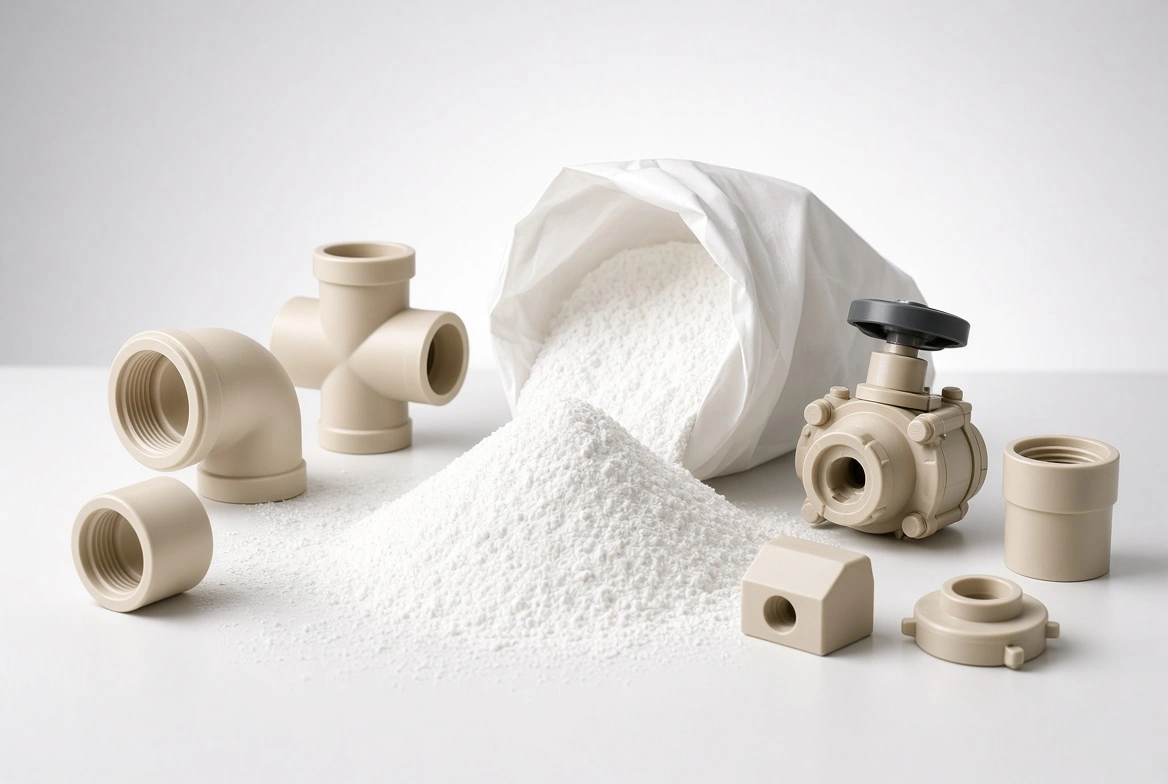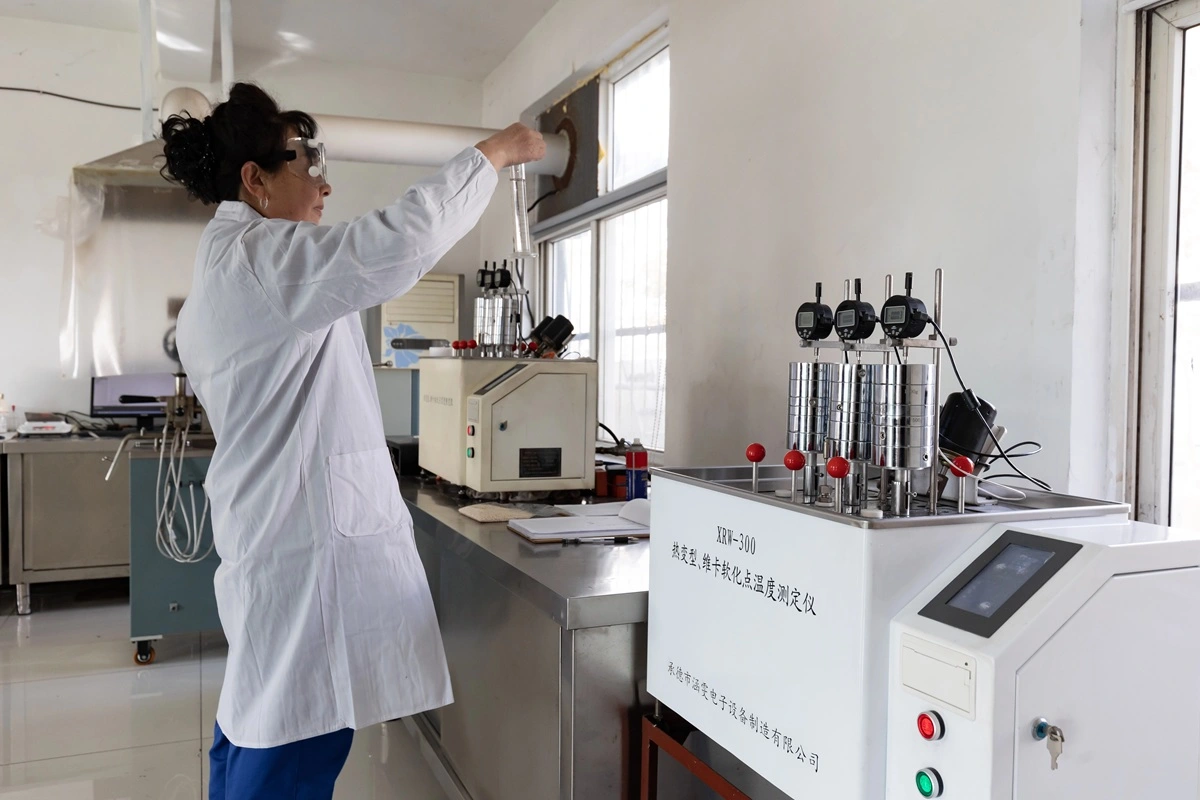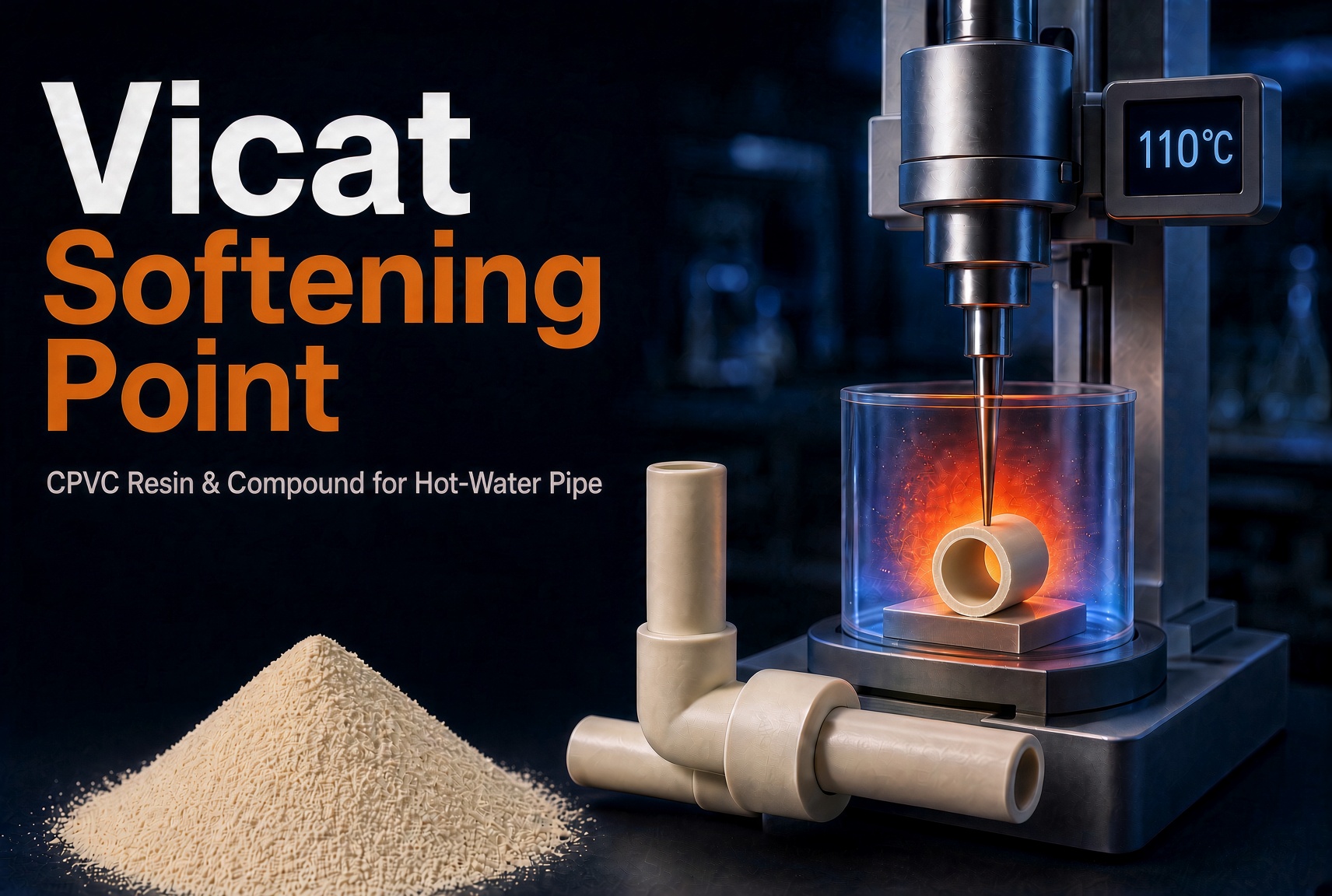
Chlorinated Polyvinyl Chloride (CPVC) is widely used in industrial piping, fittings, and profiles due to its excellent heat resistance, mechanical strength, and chemical stability. However, during processing—especially extrusion and injection molding—various defects such as scorching, air marks, and white spots can occur. Understanding the real causes behind these issues and implementing targeted solutions is essential for improving product quality and production efficiency.
1. Scorching: The Hidden Danger Behind High Shear
Many assume that scorching in CPVC products is caused by excessive temperature, but the real causes are often mechanical and operational. Scorching occurs when localized areas of the material exceed the CPVC decomposition temperature (typically 180–200 °C). This happens mainly due to two reasons: excessive screw speed and poor mold venting.
When the screw speed is too high, the material inside the barrel experiences excessive shear stress, generating localized heat that surpasses the safe processing limit. The issue is most severe in the feeding and compression zones, where the material remains under heat for longer periods, leading to partial carbonization. In addition, blocked vent holes in the mold prevent the release of volatile compounds generated during melting. When these gases accumulate under high temperature and pressure, they ignite or burn, leaving dark scorch marks on the surface.
To prevent scorching, a precise approach is required. First, reduce the screw speed by 5–10% to lower the shear rate, and continuously monitor the barrel temperature to ensure that the actual temperature does not exceed the set value by more than ±3 °C. Second, clean the mold vents before every startup. Use fine copper wire to clear any blockages, and if necessary, enlarge the vent slots to enhance gas release. These small adjustments can significantly improve surface appearance and reduce rework rates.
2. Air Marks: A Common but Preventable Appearance Defect
Among all CPVC processing defects, air marks (or “gas streaks”) are among the most common and visible. They appear as cloudy or silvery lines on the surface of the molded part and mainly result from trapped air or moisture. The key causes can be traced to three areas: high raw material moisture content, air trapped during feeding, and improper gate design.
Because CPVC has strong hygroscopic properties, inadequate drying is often the main culprit. If the moisture content exceeds 0.1%, the residual water evaporates into vapor during melting, forming streaks as it becomes trapped within the molten polymer. Air can also enter the barrel when there is excessive clearance between the screw and barrel or when the screw retracts, allowing air to mix with the material. Lastly, poorly designed gates—particularly when the flow rate is too high—can cause turbulence, entrapping air in the molten flow.
The solutions are straightforward and effective. First, dry CPVC resin at 80–90 °C for 4–6 hours and store it in sealed containers to prevent reabsorption of moisture. Second, inspect the clearance between the screw and barrel; if it exceeds 0.2 mm, replace the worn parts promptly. Adding a non-return ring or check ring at the feed throat can further reduce air entrainment. Finally, optimize gate design—fan or pinpoint gates can help slow down the flow and reduce turbulence. Adding auxiliary vent holes near common air-mark areas also helps air escape efficiently.
3. White Spots: A Symptom of Poor Formulation or Insufficient Mixing
White spots are another frequent issue during CPVC processing. Although many operators attribute them to impurities in the raw material, the real reasons often lie in formulation design, temperature control, and plasticizing performance.
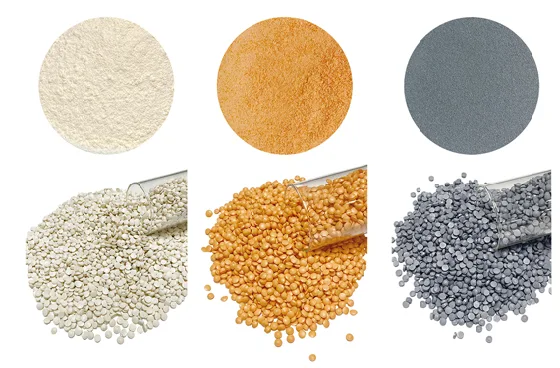
Poorly formulated modified CPVC compounds may have narrow processing windows and poor flow characteristics, which cause flow marks or white streaks during molding. Another major factor is low mold temperature. If the mold surface is too cold, the molten material solidifies rapidly on contact, forming a thin surface layer. As the inner melt continues to flow, this thin shell stretches and creates visible white spots. Finally, inadequate mixing or poor screw design can lead to incomplete melting of the material, leaving small unmelted particles that appear as white specks after molding.
To resolve these issues, quality control must start from material preparation. Always follow the recommended formulation and ensure that stabilizers and additives are mixed evenly. When blending, pre-mix stabilizers with a small portion of the resin before adding the rest to ensure uniform dispersion. Next, raise the mold temperature to 50–60 °C to promote even surface cooling and eliminate differential shrinkage. If the screw fails to provide sufficient mixing, consider adjusting the compression ratio or replacing it with a screw that includes a barrier or mixing head. These improvements help achieve consistent melt quality and reduce visible defects.
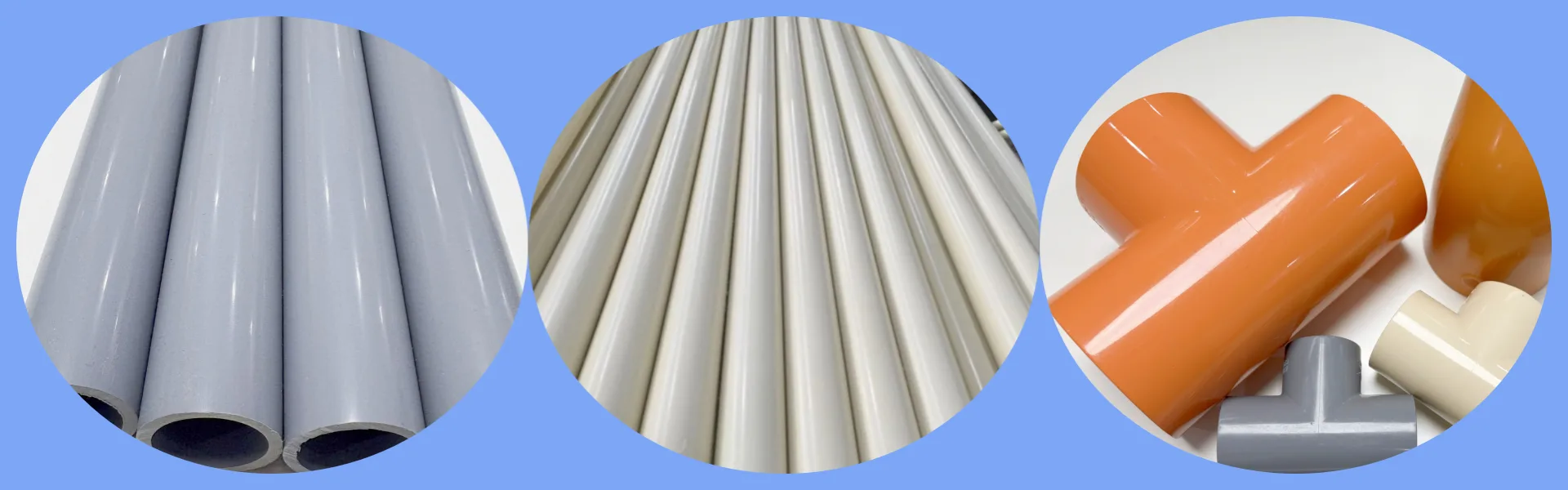
4. Building a Stable CPVC Processing System
Avoiding CPVC defects requires more than troubleshooting individual problems—it demands systematic control over the entire process. Operators should maintain stable equipment conditions, regularly clean and calibrate processing tools, and record all temperature and pressure data for traceability. Using high-quality CPVC compounds with optimized stabilizer systems can also improve processing stability and reduce the risk of thermal degradation.
Consistent monitoring, preventive maintenance, and careful parameter optimization can transform production from reactive to proactive, ensuring both performance and efficiency in CPVC applications.
結論
Understanding the real causes of common CPVC processing defects—such as scorching, air marks, and white spots—allows manufacturers to take precise and effective corrective actions. By optimizing screw speed, maintaining proper venting, ensuring thorough drying, and adjusting formulation or equipment design, production quality can be significantly improved. For companies seeking stable, high-performance CPVC materials and professional processing support, Xuye provides reliable solutions tailored to your needs.
Xuye Xuye — your trusted partner for advanced CPVC materials and processing expertise.