
지식 센터
블로그
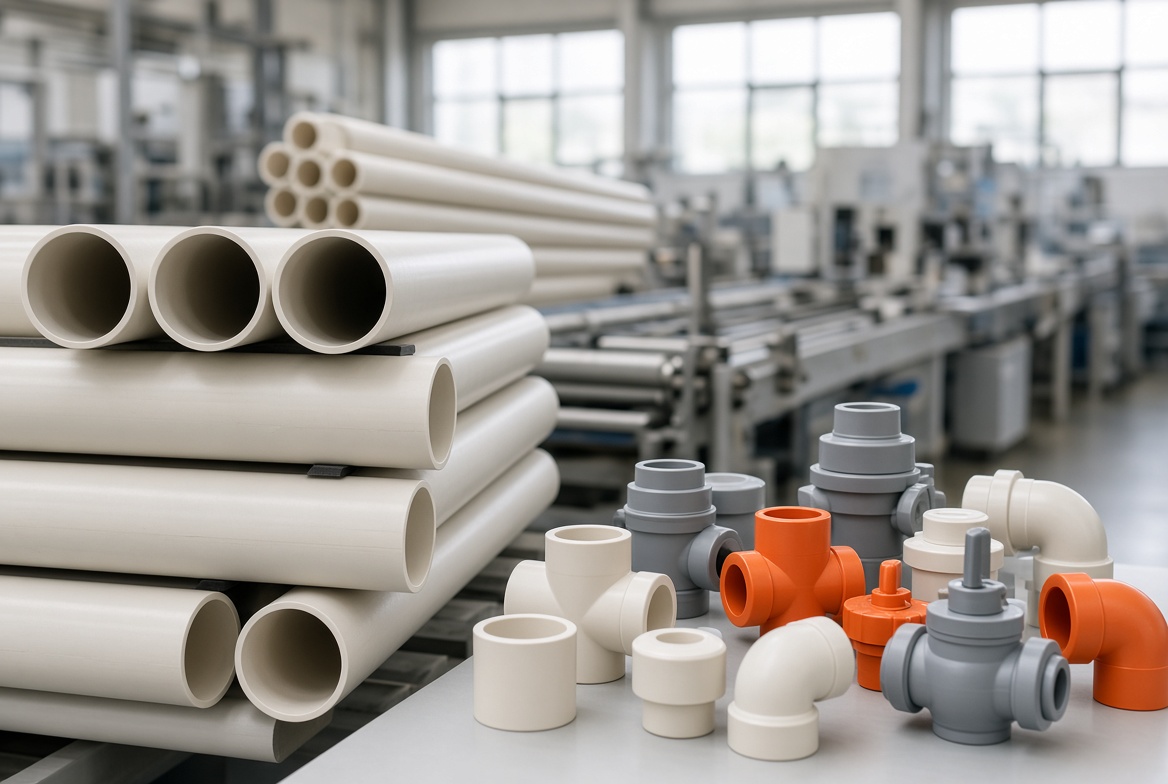
온수 배관 및 피팅 생산에 CPVC 컴파운드 사용하기
온수 라인에는 염소화 폴리염화비닐(CPVC)을 사용할 수 있습니다. 파이프와 피팅은 일반 PVC가 아닌 온수용 CPVC 컴파운드로 만들어야 하며, 압출 라인과 사출 프레스는 동일한 등급을 사용하지 않습니다. 온수 라인에서 CPVC를 사용할 수 있습니까? 네, 파이프와 피팅이…
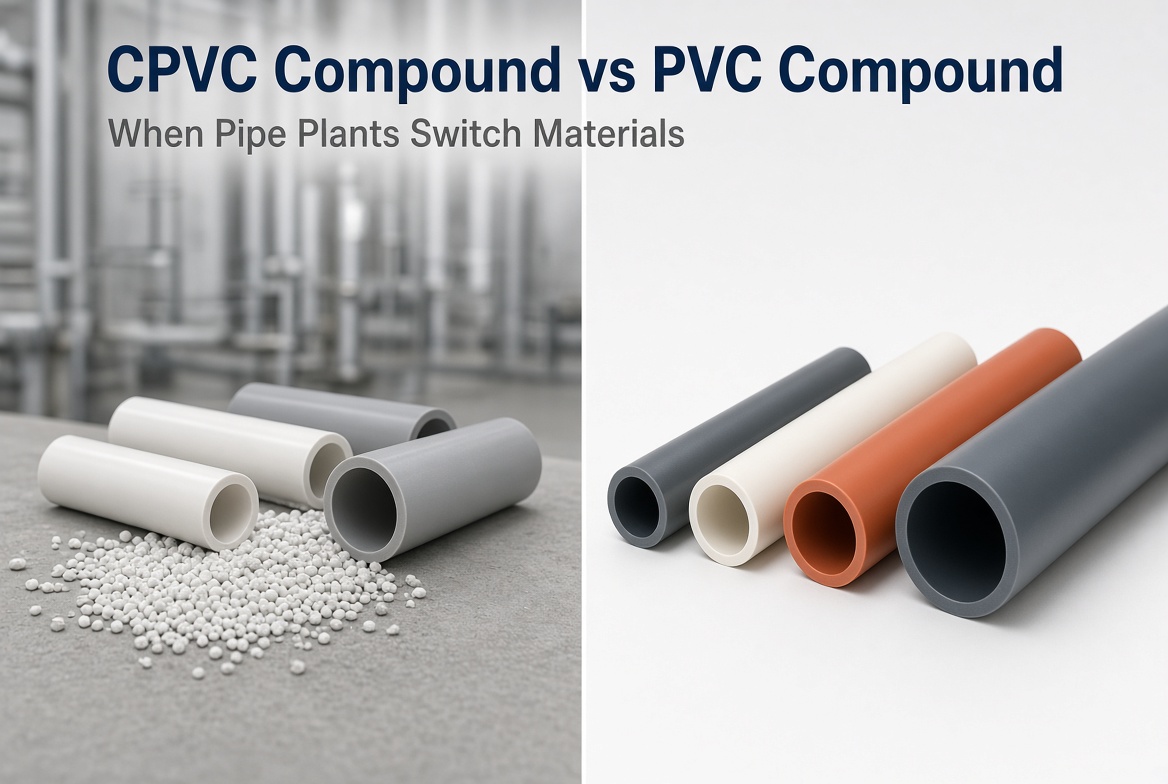
CPVC 컴파운드 vs PVC 컴파운드: 파이프 공장이 소재를 전환해야 할 때
온수용 급수관, 산업용 파이프 또는 소방용 파이프 및 피팅을 추가하는 경우, PVC 컴파운드를 추가로 주문하지 말고 CPVC 컴파운드를 주문해야 합니다. XUYE는 두 가지 공정 경로에 맞는 CPVC 컴파운드를 공급합니다. 귀하의 운영 방식에 따라 당사 팀과 함께 등급을 지정하십시오. 운영 방식에 따른 등급 기재 방법…

경질 PVC 프로파일의 내충격 보강제로서의 염소화 폴리에틸렌(CPE)의 역할
CPE 135A가 경질 PVC 프로파일의 내구성, 저온 내충격성 및 가공 안정성을 어떻게 향상시키는지 알아보세요. CPE와 ACR을 비교하고 압출 라인을 최적화하는 방법을 확인하세요.

CPVC가 현대 배관 시스템에서 선호되는 소재인 이유
산업 공학 및 상업용 건설을 위한 올바른 배관 소재 선택은 안전성, 장기적 효율성 및 운영 비용에 영향을 미칩니다. 구리나 탄소강과 같은 금속 파이프는 내부 부식, 심한 스케일 축적 및 높은 설치 비용에 취약합니다. 이러한 구조적 문제는 종종 조기 유체 누출과 계획되지 않은 시스템 가동 중단으로 이어져 엔지니어링 팀을 어렵게 만듭니다…

CPVC 수지 vs CPVC 컴파운드: 귀하의 압출 및 사출 라인에 가장 적합한 솔루션은?
올바른 CPVC 수지 또는 프리믹스를 어떻게 선택하시나요? 순수 수지 분말과 즉시 사용 가능한 펠릿을 열 안정성, 용융 흐름 지수, 장비 마모 및 압출/사출 성형 응용 분야의 총 비용 측면에서 비교해 보세요. Xuye Chemical의 CPVC 수지 및 컴파운드에 대한 샘플과 가공 권장 사항을 요청하세요.

5-SSIPA vs SIPM: 양이온 염색성 폴리에스테르(CDP) 생산 및 가공 비용 최적화
양이온 염색성 폴리에스테르(CDP) 생산을 위해 5-SSIPA와 SIPM 중 무엇을 선택해야 할까요? 이 비교 자료는 에스테르화 효율, 에너지 소비(메탄올 회수) 및 섬유 방사 성능 측면에서 두 제품의 차이점을 강조합니다. 지금 문의하여 Shandong Xuye의 5-SSIPA 모노머 샘플을 받고 공정 최적화에 대한 권장 사항을 확인하세요.
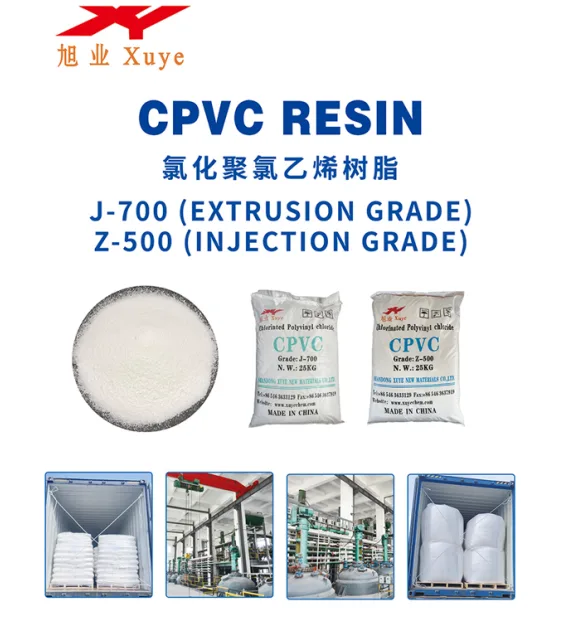
파이프 및 피팅 제조업체를 위한 CPVC 수지 구매 가이드
올바른 CPVC 수지를 선택하는 것은 파이프 또는 피팅 제조업체가 내릴 수 있는 가장 중요한 결정 중 하나입니다. 고급 압출 라인, 정밀 사출 성형기 및 엄격한 품질 관리를 갖추고 있더라도 완제품의 성능은 원자재의 품질과 특성에 크게 좌우됩니다.
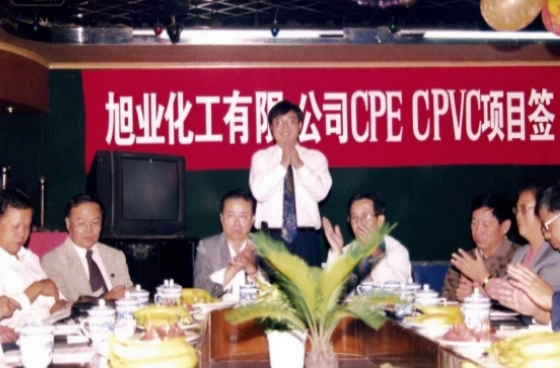
중국을 선도하는 CPVC 제조사, Xuye
XUYE는 배관 시스템, 코팅, 산업용 플라스틱 및 기타 까다로운 응용 분야를 위한 고성능 소재를 전 세계 고객에게 제공합니다. 모든 제품 뒤에는 지속적인 혁신, 투자 및 품질에 대한 헌신의 역사가 있습니다.
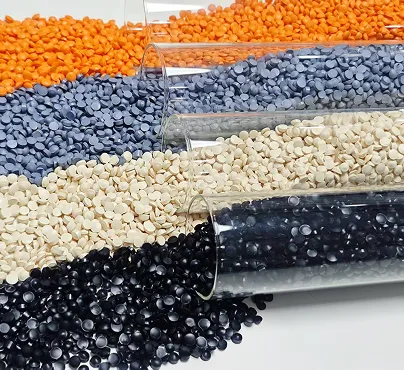
CPVC는 어떻게 만들어질까요? 제조 공정 설명
CPVC(염소화 폴리염화비닐)는 우수한 내열성, 내식성 및 긴 서비스 수명으로 알려진 고성능 열가소성 수지입니다. 표준 PVC와 비교하여 CPVC는 더 높은 작동 온도를 견디면서도 우수한 기계적 강도를 유지하므로 온수 배관, 산업용 유체 처리 시스템, 소방 스프링클러 네트워크 및 화학 처리 응용 분야에 선호되는 소재입니다.
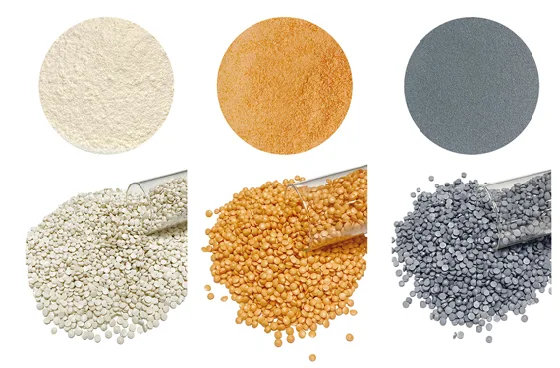
온수 배관 시스템에 CPVC를 선택해야 하는 이유
오늘날 사용 가능한 많은 배관 소재 중에서 CPVC(염소화 폴리염화비닐)는 온수 분배를 위해 가장 널리 사용되는 솔루션 중 하나가 되었습니다. 뛰어난 내열성, 내식성 및 설치 용이성 덕분에 기존 금속 배관의 실용적인 대안이 됩니다. 이 기사에서는 왜 CPVC가 현대의 선호되는 선택이 되었는지 설명합니다…
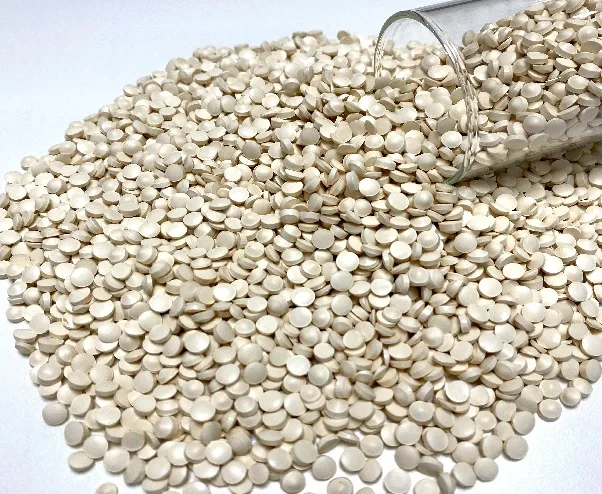
산업용 응용 분야를 위한 CPVC 수지 가공 가이드
이 전문가 가이드를 통해 산업용 CPVC 수지 가공을 마스터하세요. 여러 수지 등급에 걸쳐 압출 및 성형 매개변수를 최적화하고, 배합 첨가제의 균형을 맞추며, 열화 결함을 해결하고, 장기적인 현장 무결성을 확보하는 방법을 알아보세요.
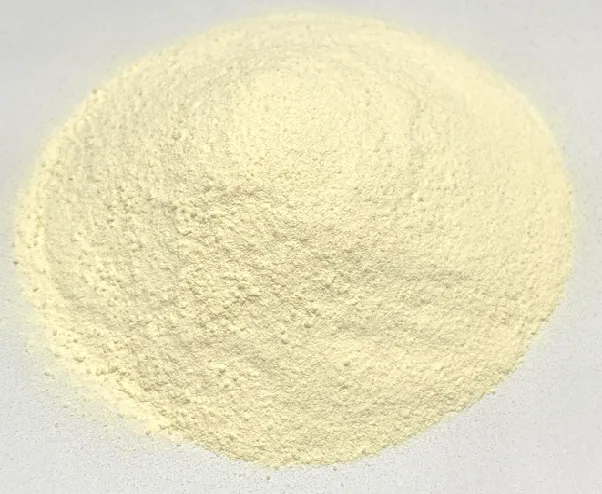
온수 배관용 CPVC 등급(J-700C/Z-500C/J-700) 선택 방법
어떤 CPVC 배합이 최적의 온수 성능을 제공할까요? 이 엔지니어링 가이드는 J-700, Z-500C 및 J-700C 간의 기술적 차이를 분석하고, 제조업체가 파이프라인 안전을 극대화하고 압출 품질을 개선하며 조기 재료 열화를 제거할 수 있도록 시나리오 기반 선택 매트릭스를 제공합니다.