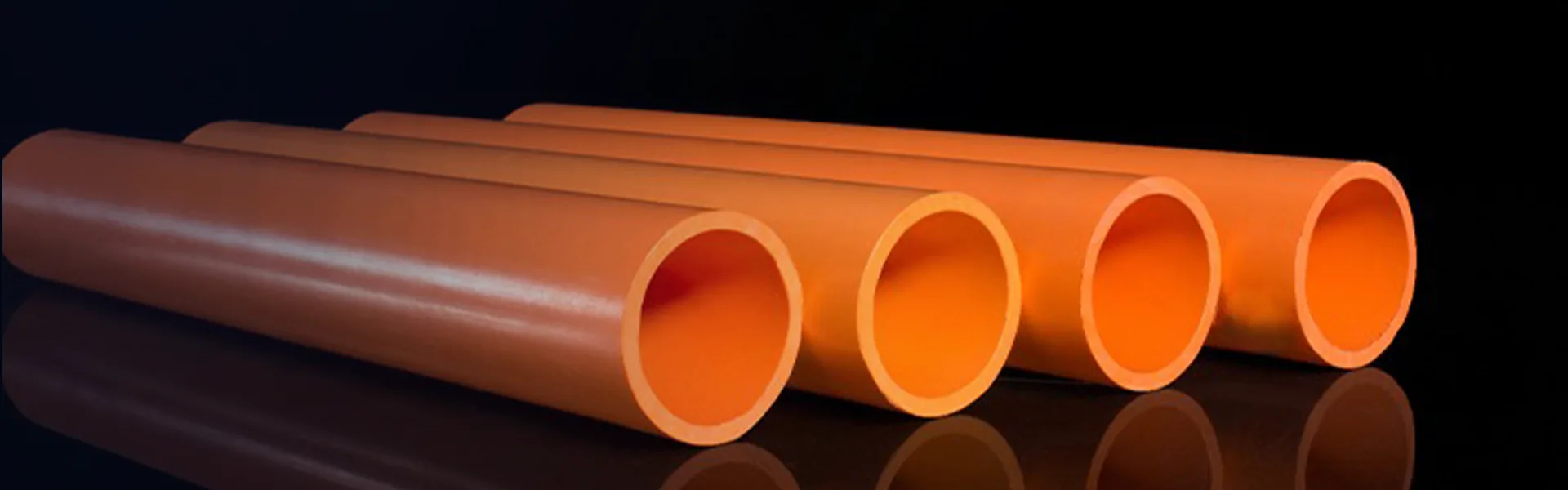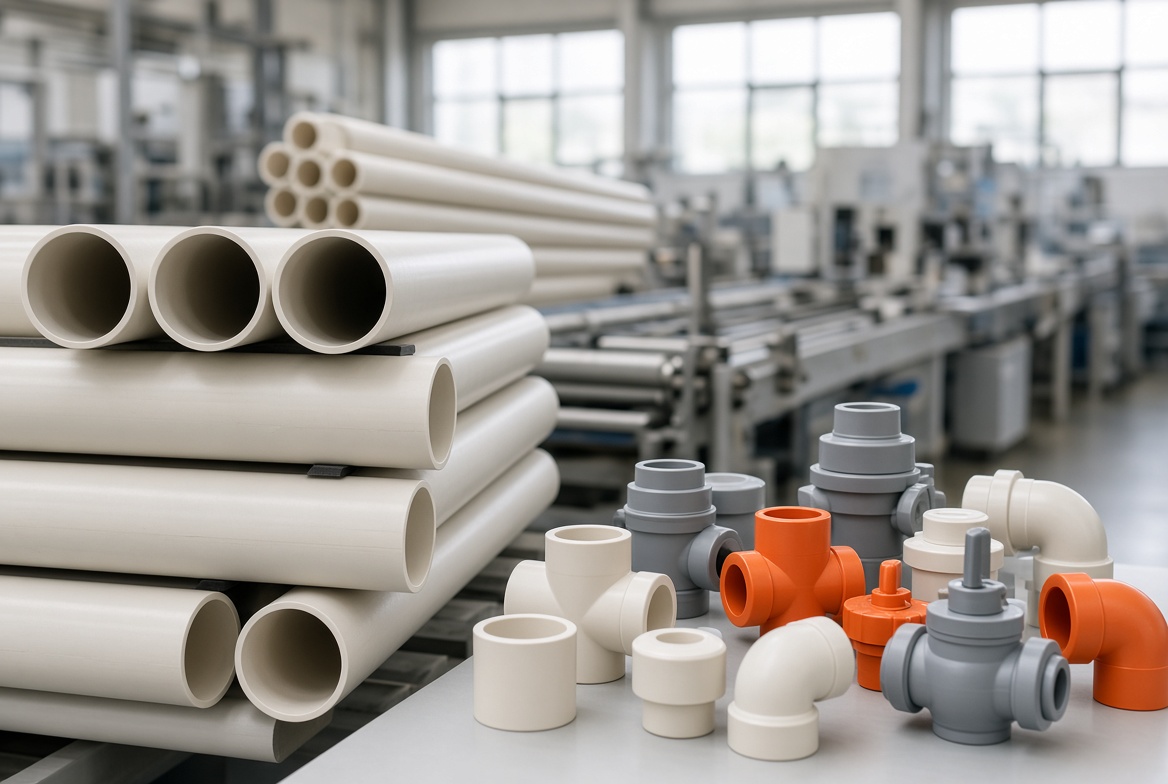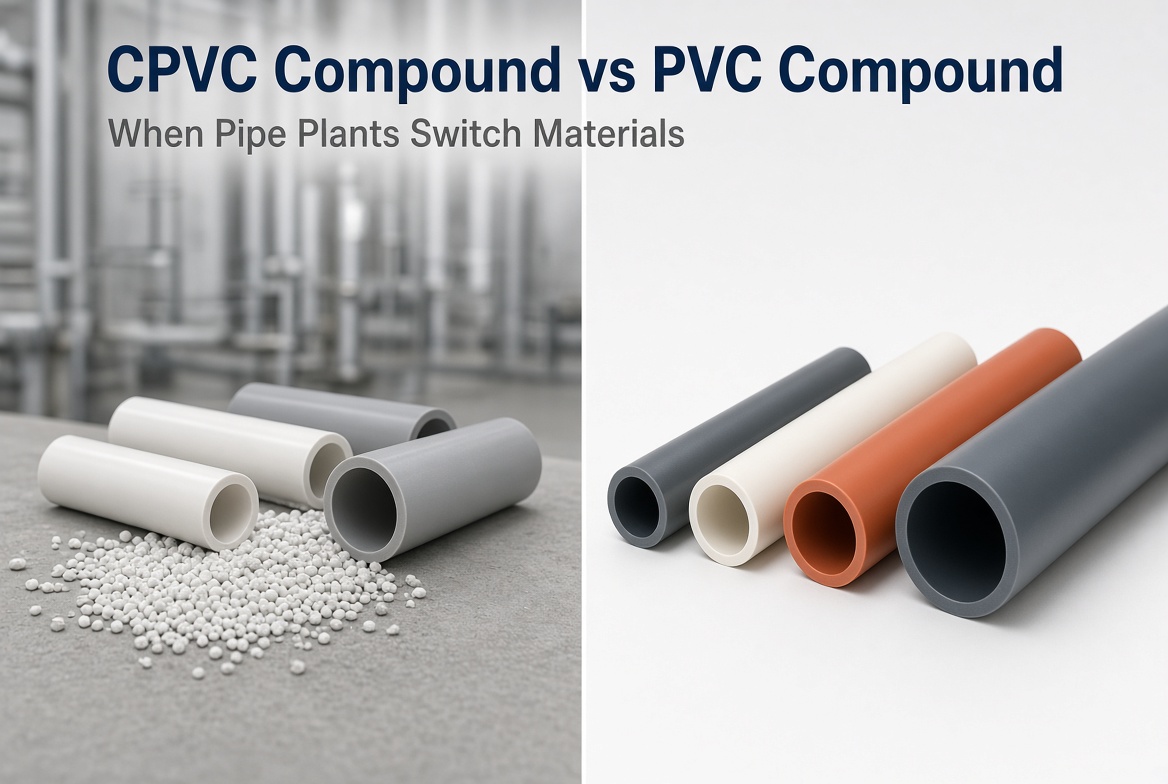
Selecting the right piping material for industrial engineering and commercial construction impacts safety, long term efficiency, and operational expenses. Metallic pipes such as copper or carbon steel are vulnerable to internal corrosion, heavy scale accumulation, and high installation costs. These structural challenges often lead to premature fluid leaks and unscheduled system downtime, forcing engineering teams to search for reliable alternatives.
Chlorinated Polyvinyl Chloride presents a proven engineered solution to these operational headaches. By modifying standard vinyl polymer through advanced chlorination, this material overcomes the heat and pressure limitations of traditional plastics. Understanding its structural chemistry and performance profile explains why technical managers specify it for modern piping infrastructure.
What Makes CPVC Chemically Superior to Traditional Piping Materials?
The distinct advantage of this material stems directly from its specialized molecular structure. Post chlorination replaces hydrogen atoms on the polymer chain with chlorine, boosting overall chemical stability.
- Enhanced Chemical Structure: Raising chlorine content from fifty seven percent to sixty nine percent protects the polymer backbone from thermal breakdown.
- Corrosion Resistance: Eliminates rust, pitting, and scale formation caused by hard water or harsh chemical solutions.
- Fire Safety Characteristics: High Limiting Oxygen Index of sixty percent prevents continuous burning without an external flame.
Having clarified these core chemical mechanisms, it is equally important to evaluate how these physical properties compare directly against rival materials in real world applications.
| Performance Feature | CPVC Piping | Standard PVC | PPR / PEX | Copper / Steel |
| Max Working Temp | 最大93°C | Up to 60°C | Up to 70°C | Very High |
| 耐食性 | Excellent | Excellent | Good | Poor |
| Thermal Expansion | Low | Moderate | High | Low |
| Installation Method | Solvent Cement | Solvent Cement | Heat Fusion | Soldering / Threading |
Comparing CPVC with PPR, PVC, and Copper for Modern Infrastructure
Material selection requires balancing mechanical thresholds against long term operational demands. While standard PVC works well for cold water drainage, its mechanical strength drops rapidly above sixty degrees Celsius. In contrast, CPVC maintains structural integrity under pressure at temperatures up to ninety three degrees Celsius.
When compared to PPR or PEX options, this material provides higher mechanical rigidity. Lower expansion rates mean long horizontal runs will not sag, requiring fewer support hangers during installation. Metal pipes offer high strength, but they suffer from raw material price swings, heavy weight, and internal oxidation. Switching to a non metallic system ensures consistent fluid purity while avoiding interior scale buildup over decades of continuous use. For specialized raw material processing, industrial users often rely on CPVC RESIN to produce robust piping components.
With the material comparison established, let us look at the practical environments where these properties deliver the greatest operational value.

Versatile Applications Across Industrial, Commercial, and Residential Sectors
Because of its balanced mechanical profile, this material serves diverse roles across multiple global industries.
- Potable Water Lines: Smooth inner surfaces prevent bacterial biofilm development, maintaining strict hygiene standards for drinking water.
- Fire Sprinkler Systems: Flame resistant properties allow fast, safe installation in hotels, schools, and commercial office buildings.
- Chemical Processing: Resists aggressive acids and alkalis in industrial fluid lines, tower packings, and protective cable sheathing.
Beyond broad industry applications, achieving these benefits requires careful attention to daily field installation protocols.
Avoiding Common CPVC Installation Pitfalls: What Engineers and Contractors Must Know
Even high grade materials fail if installation steps are overlooked. Solvent cement welding chemically fuses the pipe and fitting into a single continuous piece, making proper joint preparation essential for leak free performance.
- Deburring and Beveling: Pipe ends must be cut square and beveled to prevent scraping solvent cement off the fitting socket wall.
- Chemical Compatibility: Standard thread pastes or petroleum based sealants can weaken plastic walls and cause mechanical cracking.
- Thermal Expansion: Long straight hot water runs need expansion loops to absorb linear movement without straining joints.
Once proper installation techniques are implemented, the focus shifts toward evaluating the financial and operational returns over the system lifecycle.
Evaluating the Long Term ROI: Life Cycle Cost Analysis of CPVC Systems
Evaluating piping options requires looking beyond initial material purchases to assess total ownership expenses. Solvent welding needs no open flames or heavy machinery, which reduces site labor hours and eliminates expensive hot work permits.
The lightweight nature of these components lowers transportation costs and simplifies manual site handling. System durability eliminates regular maintenance visits to clear rust or scale deposits. Manufacturing consistency relies on raw compounds, and specifying high quality CPVC COMPOUND ensures uniform wall thickness and pressure ratings across all extruded pipes.
While long term financial returns make a compelling case, project managers often have specific technical questions before finalizing their material specifications.
よくある質問
What factors primary influence the overall cost of CPVC piping systems?
Raw resin purity, chlorine concentration accuracy, wall thickness standards, and custom fitting geometries directly dictate manufacturing expenses. System scale and specific pressure requirements also impact material volume. For accurate pricing based on your specific operational requirements, contact the engineering team at XUYE directly.
What is the most common material selection mistake when specifying this polymer?
A frequent mistake is assuming all vinyl polymers handle identical chemical exposures. Mixing standard PVC primers or petroleum based thread dopes with chlorinated systems causes stress cracking. Specifying materials certified strictly for chlorinated polymers avoids joint failure.
What precautions must contractors take during cold weather installations?
Thermoplastics become more rigid at temperatures near or below freezing, lowering impact resistance. Contractors must use sharp cutting tools to avoid cracking pipe ends and allow longer solvent cure times before applying full hydrostatic test pressure.
What is the expected service life of a correctly installed system?
When operated within certified pressure and temperature limits, a properly installed system delivers an operational lifespan exceeding fifty years. The absence of internal oxidation guarantees stable hydraulic capacity throughout its service life.
Conclusion
Choosing CPVC for modern piping networks delivers clear mechanical benefits, operational safety, and total life cycle savings. By eliminating internal oxidation and scaling while offering strong fire resistance and simple solvent joining, this material provides a dependable answer to demanding industrial and commercial fluid transport requirements.
Selecting quality raw materials remains essential for achieving maximum pressure ratings and long term reliability. For custom technical specs, material processing details, or project supply inquiries, connect with the material specialists at Shandong Xuye to support your next installation.