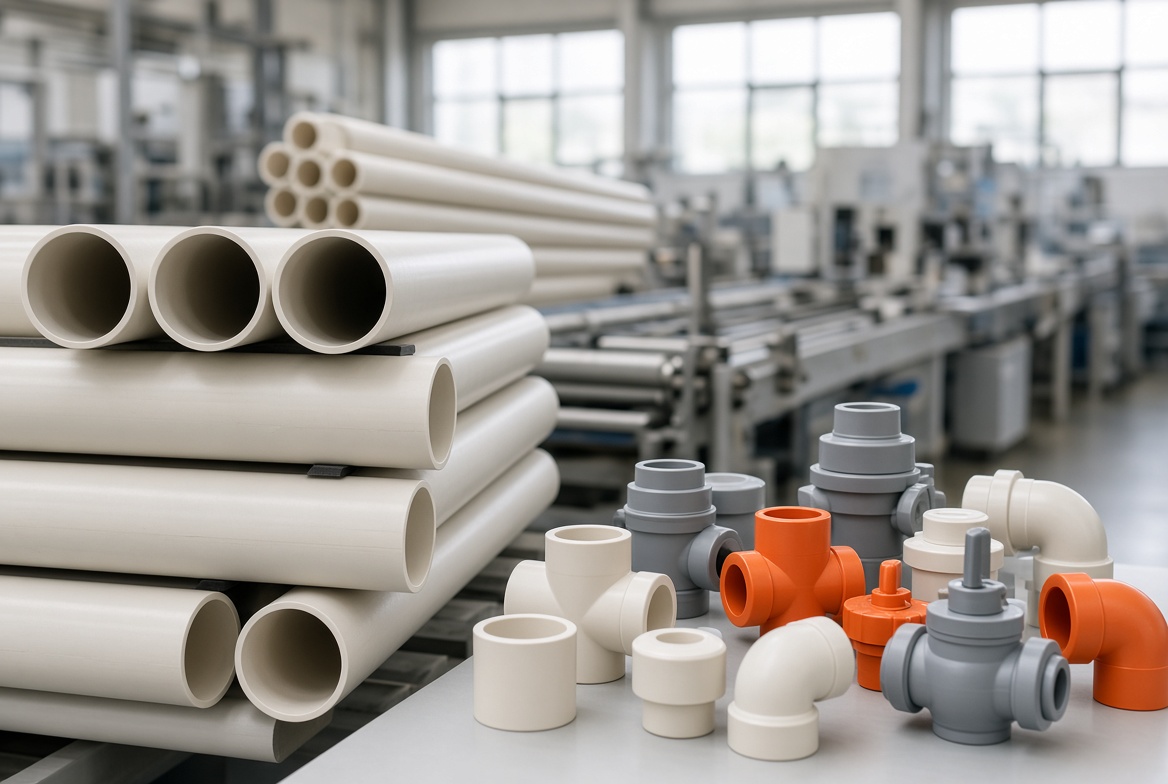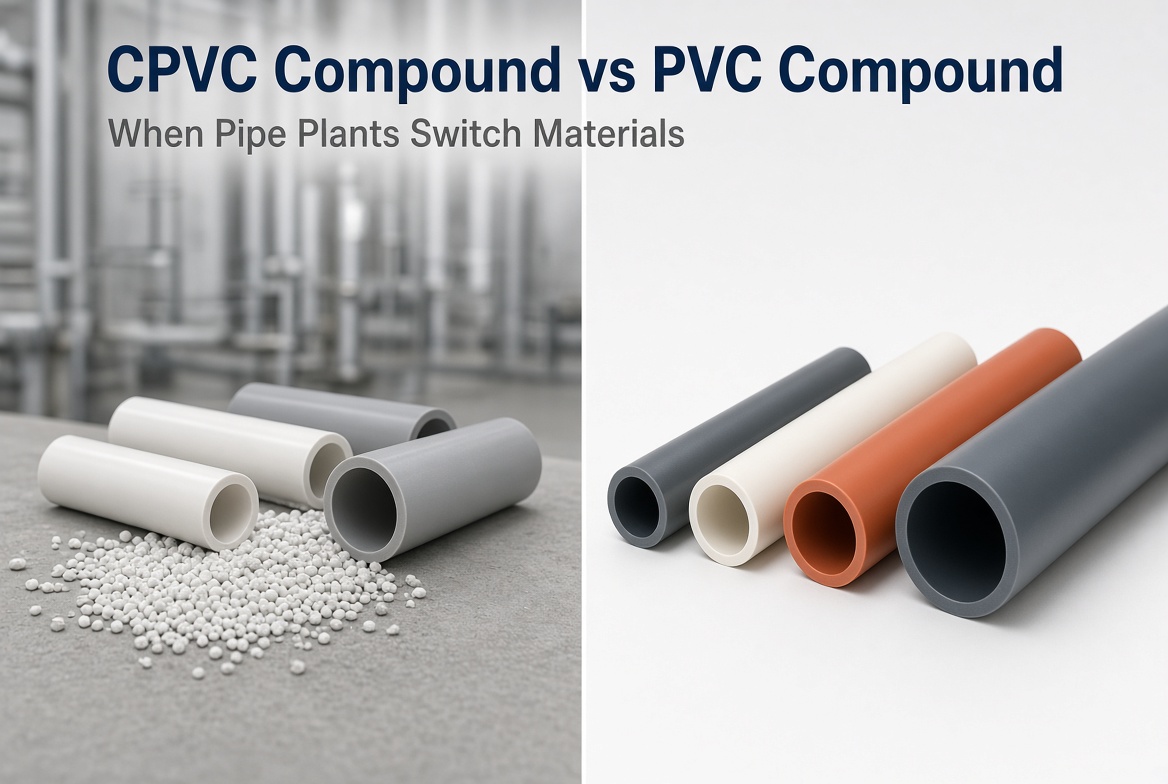
産業エンジニアやポリマー加工業者の方で、コンパウンドの劣化にお悩みではありませんか?本技術ガイドでは、工業用CPVCの加工について詳しく解説します。高耐熱グレードから特殊な化学組成まで、特定の分子構造を適合させることで、どのように押出成形の歩留まりを最適化できるかを分析します。精密な熱機械的制御を習得し、当社の包括的な CPVCグレード選定マトリックス を活用して、製造上の欠陥を排除し、長期的なパイプラインの完全性を確保しましょう。.
工業用CPVC樹脂の概要
標準的なポリ塩化ビニル(PVC)から塩素化ポリ塩化ビニル(CPVC)への移行は、高仕様の工業用流体ハンドリングにおいて重要な材料のアップグレードを意味します。この構造的変更が性能限界をどのように変化させるかを理解することは、現場での信頼性を確保するために不可欠です。.
CPVC樹脂とは何ですか?
塩素化ポリ塩化ビニルは、PVCベースポリマーの塩素化後処理によって生成される特殊な熱可塑性プラスチックです。この化学的改質により、ベースとなる塩素含有量は標準の57%から、60%~75%という非常に安定した範囲まで高められます。この高密度な塩素配置は炭素骨格を効果的に保護し、材料の連続使用温度の閾値を93°C以上に引き上げると同時に、本質的な構造的難燃性と優れた耐酸・耐アルカリ性を向上させます。.
工業における主な利点
- 熱安定性: 沸騰水や低圧蒸気ラインに連続的にさらされても、高い引張弾性率と機械的剛性を維持します。.
- 耐薬品性: 高濃度の酸、苛性アルカリ、工業用塩水を輸送する際、環境応力亀裂(ESC)に対して優れた保護性能を発揮します。.
- 機械的強度: 高い構造的耐荷重能力と、長期の運用寿命にわたる優れた静水圧定格を備えています。.
- 難燃性: 高い限界酸素指数(通常60%以上)により、自己消火性を持ち、煙の発生も極めて低く抑えられます。.
主な工業用途
- 温水配管: 商業用の24時間循環温水グリッドおよび高耐久・高温配管。.
- 化学パイプライン: 高耐久の化学プラント流体輸送、廃水処理、および電気めっきライン。.
- 工業用コーティング: 耐腐食性の化学貯蔵タンクライニングおよび高耐久性の船舶用構造塗料。.
- プラスチック改質: 標準的なビニル配合物の熱変形温度(HDT)を高めるための高性能ブレンド剤として使用。.
一般的なCPVCグレードの概要
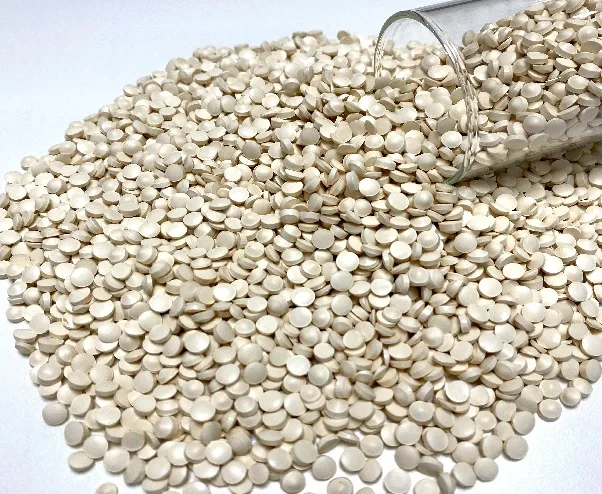
工業用製造ラインを最適化するには、コンパウンド機械に適切な分子構造を適合させる必要があります。現代の工業環境を定義する主要な4つのグレードは、CPVC J-700C、Z-500C、J-700、およびZ-500です。これらのバリエーションは、塩素分布と分子量のバランスを調整し、高耐久の工業用押出成形からコスト効率の高いインフラ用ブレンドまで、明確な加工プロファイルを生み出します。.
CPVC樹脂の重要な加工原則
未加工の塩素化樹脂を完璧な完成品プロファイルに変換するには、ポリマーレオロジー(流動学)の深い理解が必要です。材料に工業的な耐性を与える構造そのものが、工場現場における非常に繊細な取り扱いパラメータを決定づけます。.
CPVCがPVCよりも加工が難しい理由
炭素骨格を保護する構造的塩素化は分子摩擦を劇的に増加させ、その結果、溶融粘度の上昇とガラス転移温度の上昇を招きます。そのため、CPVCは標準的なビニルよりも大幅に高い押出温度および射出温度を必要とします。ポリマーの熱分解閾値が必要な融点に非常に近いため、利用可能な加工ウィンドウは極めて狭くなります。わずかな温度上昇や過度な機械的せん断熱は急速な脱塩化水素を引き起こし、腐食性の塩化水素ガスを放出させ、コンパウンドの壊滅的な劣化を招きます。.
主な加工目標
- 完全なゲル化: プロファイル断面全体で均質かつ完全に融合した分子マトリックスを実現し、完全な静水圧設計強度を確保すること。.
- 最小限の劣化: ポリマー鎖の切断、構造的な変色、局所的な弱点を防ぐため、厳格な熱機械的規律を維持すること。.
- 一貫した粘度: 下流のキャリブレーション工程における壁厚の変動や表面の変形を排除するため、バレル内のヘッド圧の均一性を管理すること。.
- 機械的完全性: 高圧成形中の完璧なウェルドライン統合を確保し、水圧ストレス下での早期の現場故障を防ぐこと。.
工業用CPVCの主な加工方法
- Extrusion: The standard method for manufacturing continuous industrial piping, ductwork, and heavy sheets using specialized parallel or conical twin-screw configurations.
- 射出成形: Employed for shaping complex, high-stress pipeline components like valves, flanges, and fittings, requiring low-compression screw designs to prevent shear spikes.
- Compounding for Coatings: Dissolving high-chlorine resin fractions into specific organic solvent systems to formulate anti-corrosive chemical storage tank linings and high-performance marine barriers.
Recommended CPVC Processing Parameters
Running industrial CPVC requires balancing your thermal profiles and mechanical shear to reach full gelation without triggering degradation.
Twin-Screw Extrusion
You should set your barrel gradient from a 170–180°C feed zone, through 180–195°C compression, to 185–205°C metering, keeping the die at 190–210°C. Maintain screw speeds at 15–40 rpm under 5–15 MPa head pressure. Increase profiles by +5°C for J-700C and +10°C for Z-500C, but lower by -5°C for Z-500.
Injection Molding
Regulate your injection barrel between 180–210°C and maintain mold water at 40–70°C to prevent surface defects. You need to inject at 80–140 MPa with a 10–30 second hold time to eliminate sink marks. J-700 is preferred for complex fittings, while you should avoid high-viscosity Z-500C.
Coating Compounding
Run your high-speed hot blending strictly between 160–175°C to preserve the resin matrix. You must boost primary heat stabilizers to 1.5–2.5 times standard PVC baselines and integrate lubricants at 1–2 phr. High-chlorine grades like J-700C and Z-500C are ideal here to maximize chemical permeation resistance.
Formulation Best Practices for Industrial CPVC
Raw resin requires a precisely balanced additive package before processing. Your compound recipe must directly counter the polymer’s inherent sensitivity to high thermal energy and mechanical shear.
Heat Stabilizers
You must use robust heat stabilizers, such as organotin or calcium-zinc systems, to prevent rapid dehydrochlorination. Ensure your dosage is scaled properly, as under-stabilization causes immediate degradation, turning the melt dark and destroying the mechanical properties of your profile.
耐衝撃改質剤
Integrating chlorinated polyethylene CPE impact modifier at 5–15% loading is essential to eliminate structural brittleness. This additive absorbs fracture energy during field impacts without lowering the compound’s heat distortion temperature, making it a benchmark component for your heavy-duty industrial pipelines.
Lubricants Balance
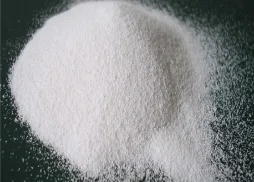
You need to establish a precise balance between internal and external lubricants, typically keeping the total loading within 1.5–2.5 phr. Internal types reduce inter-molecular friction to lower melt heat, while external alternatives prevent the sticky, high-viscosity compound from adhering to screw flights.
Mineral Fillers
Adding ultra-fine coated calcium carbonate or talc enhances profile rigidity while reducing raw material costs. However, you must limit filler content to 20% or less. Exceeding this critical boundary induces severe structural brittleness, leading to premature pipeline failures under hydrostatic pressure.
Grade-Specific Formulations
Modify your recipes based on your selected grade. High-heat J-700C requires an upgraded stabilizer package to handle elevated die temperatures, whereas high-viscosity Z-500C demands increased external lubricant ratios to reduce back pressure and control aggressive internal shear heating.
Common Processing Problems & Solutions
Troubleshooting industrial CPVC compounding requires distinguishing between chemical degradation and mechanical processing imbalances. You must adjust your lines carefully to maintain structural integrity.
Yellowing and Darkening (Degradation)
If your profile discolors or darkens during production, the compound is experiencing thermal degradation. This is caused by excessive melt temperatures, over-shear from high screw rotation, or stagnant dead zones. You should lower your metering zone temperatures and optimize your heat stabilizer input.
Brittle Finished Profiles
Low impact strength or brittle fracturing indicates incomplete resin gelation or insufficient modification. You need to slightly raise your adapter and die temperatures to ensure a thoroughly fused polymer matrix, and verify that your structural modifier loading matches your specific pressure-bearing requirements.
Surface Bubbles and Voids
Surface blistering and internal voids usually stem from high moisture levels in your raw resin or severe localized overheating caused by excessive shear force. You must ensure thorough pre-drying of your batches before feeding, and lower your screw speed to minimize friction.
Uneven Melt Viscosity
Fluctuating head pressure and inconsistent wall thickness point to poor mixing or utilizing an incorrect resin grade for your tooling geometry. Optimize your high-speed hot blending cycles for uniform additive dispersion, or evaluate your setup against a professional technical data sheet to switch grades.
Industrial Application-Specific Processing Tips
プロファイルが使用される環境に合わせて製造プロセスを最適化することで、現場での長期的な成功が保証されます。ターゲットとなる用途に合わせて機械の設定を調整する必要があります。.
Hot Water Piping
連続温水ループ用のパイプラインを押し出す際は、加工温度を180~200°Cの範囲内に厳密に維持してください。高効率の熱安定化パッケージに重点を置き、真空キャリブレーションタンク内でゆっくりと均一な冷却プロセスを実施することで、内部応力の残留を防ぐ必要があります。.
耐薬品性パイプライン
腐食性の強い酸を輸送する場合、190~210°Cの厳格な温度範囲内で高塩素化合物を加工する必要があります。パイプ表面での微細な分離を防ぐために外部潤滑剤の使用を最小限に抑え、高圧の化学流体輸送中も化学的バリアが完全に維持されるようにしてください。.
工業用コーティングおよびライニング
保護流体コーティングを配合する際は、高分子量マトリックスを維持するために165~175°Cの低い熱ブレンド境界が必要です。溶剤ミキサー内で超微細な粒子径を実現し、添加剤を完全に分散させることで、ピンホールのない硬化表面層を保証してください。.
最後に
最適なゲル化を確保するには、各工業用CPVCグレードの熱的要件に合わせて機械を同期させる必要があります。. 専門的な材料選定と技術サポートについては、 今すぐお問い合わせいただき、当社のプレミアム樹脂でコンパウンディング効率を最適化してください。.