CPE e PVC sono due materiali ampiamente utilizzati nell'industria della plastica e della gomma. Entrambi contengono cloro e sono utilizzati in applicazioni come cavi, tubi, componenti automobilistici e materiali da costruzione. Tuttavia, molti acquirenti e ingegneri trovano ancora difficile comprendere chiaramente la differenza tra loro. Esaminando le materie prime, le prestazioni, i metodi di lavorazione e le applicazioni, le differenze tra CPE e PVC diventano molto più facili da comprendere.
Cos'è il materiale CPE?
Per comprendere meglio il confronto, è utile guardare innanzitutto CPE il CPE. Il CPE, o polietilene clorurato, è prodotto clorurando il polietilene ad alta densità (HDPE). Questa reazione chimica modifica la struttura del materiale e gli conferisce una migliore resistenza al calore, agli agenti atmosferici e agli agenti chimici.
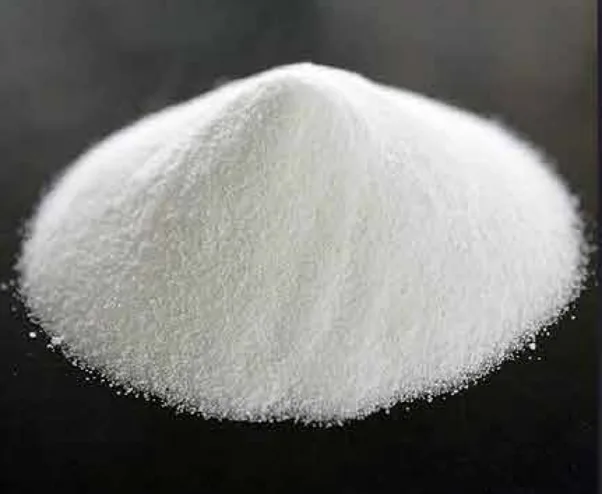
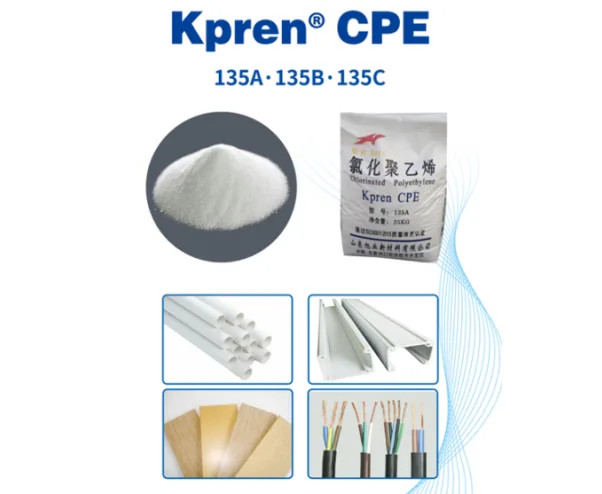
Inoltre, il CPE si presenta solitamente come una polvere bianca priva di odore forte e sicura da utilizzare nella produzione industriale. Possiede una buona flessibilità anche a basse temperature e mostra una forte resistenza all'invecchiamento, all'ozono e agli oli. Grazie a queste proprietà, il CPE viene spesso utilizzato nei prodotti in gomma e anche come modificatore che migliora le prestazioni di altri materiali come PVC e ABS.
Cos'è il materiale PVC?
Dopo aver compreso il CPE, diventa più facile vedere cosa rende diverso il PVC. Il PVC, o polivinilcloruro, è prodotto polimerizzando il monomero di cloruro di vinile. È una delle materie plastiche di uso generale più utilizzate al mondo, specialmente nell'edilizia e nella produzione industriale.
Allo stesso tempo, il PVC è noto per le sue forti proprietà meccaniche, la buona resistenza all'acqua e la stabilità della forma. Può essere prodotto sia in forma rigida che flessibile, a seconda degli additivi utilizzati durante la lavorazione. Grazie al suo basso costo e all'ampia disponibilità, il PVC è comunemente utilizzato in tubi, isolamento di cavi, fogli di plastica e materiali di imballaggio.
Differenze nelle materie prime e nei metodi di produzione
Confrontando i due materiali più da vicino, la prima chiara differenza deriva dalle loro materie prime. Il CPE è prodotto modificando il polietilene attraverso una reazione di clorurazione. Ciò significa che non è un materiale plastico di base, ma un polimero modificato con prestazioni migliorate.
D'altra parte, il PVC viene creato direttamente dal cloruro di vinile attraverso un processo di polimerizzazione. Questo rende il PVC un materiale termoplastico standard che può essere prodotto in quantità molto elevate. A causa di questa differenza nei metodi di produzione, la struttura interna di CPE e PVC non è la stessa, il che influisce direttamente sulle loro prestazioni nelle applicazioni reali.
Differenze nelle proprietà fisiche e chimiche
Guardando alle prestazioni, le differenze diventano ancora più evidenti. Il CPE è un polimero saturo, il che gli conferisce un'eccellente resistenza all'invecchiamento termico, all'ozono e a molte sostanze chimiche. Rimane inoltre flessibile in ambienti a bassa temperatura, il che lo rende adatto a prodotti che devono funzionare sia in condizioni calde che fredde.
Il PVC, in confronto, ha una forte resistenza meccanica e una buona stabilità in condizioni normali. Tuttavia, è più sensibile al calore e all'esposizione prolungata alla luce solare. Per questo motivo, durante la lavorazione vengono solitamente aggiunti stabilizzanti per migliorarne la durata. Mentre il PVC funziona molto bene in molti ambienti, il CPE è spesso preferito quando è richiesta una maggiore resistenza all'invecchiamento e agli agenti chimici.
Differenze nella lavorazione e nella modifica
Un'altra importante differenza può essere vista nel modo in cui i due materiali vengono utilizzati durante la lavorazione. Il CPE è spesso utilizzato come modificatore per migliorare le prestazioni di altre materie plastiche. Ad esempio, può essere miscelato con PVC, PE, PP e ABS per aumentare la flessibilità, la resistenza agli urti e la resistenza agli agenti atmosferici.
Il PVC, invece, viene solitamente utilizzato come materiale principale piuttosto che come modificatore. Può essere trasformato in prodotti rigidi come tubi e pannelli, o in prodotti flessibili come cavi e pellicole. Sebbene entrambi i materiali possano essere lavorati in modi diversi, il CPE è più comunemente usato per migliorare le prestazioni del materiale, mentre il PVC è usato come materiale di base per molti prodotti.
Differenze nei campi di applicazione
Per quanto riguarda le applicazioni, i due materiali vengono utilizzati in aree diverse ma talvolta correlate. Il CPE è ampiamente utilizzato nel rivestimento di fili e cavi, componenti in gomma per autoveicoli, tubi idraulici, nastri trasportatori e materiali plastici modificati. La sua forte resistenza agli oli, al calore e all'invecchiamento lo rende adatto agli ambienti industriali.
Il PVC, al contrario, è utilizzato principalmente nell'edilizia e nella produzione generale. Si trova comunemente in tubi, fogli di plastica, materiali da costruzione, isolamento di cavi, prodotti di imballaggio e articoli in plastica di uso quotidiano. Poiché il PVC è facile da lavorare ed economico, rimane una delle materie plastiche più utilizzate al mondo.
Conclusione
Dopo aver esaminato i punti principali, le differenze tra CPE e PVC diventano chiare. Il CPE è un polimero modificato ottenuto dal polietilene ed è utilizzato principalmente per migliorare le prestazioni nei prodotti in gomma e plastica. Il PVC è una plastica di uso generale prodotta direttamente dal cloruro di vinile ed è ampiamente utilizzata nell'edilizia, nell'industria e nei prodotti di consumo.
Comprendere queste differenze aiuta i produttori e gli acquirenti a scegliere il materiale giusto in base ai requisiti di prestazione, alle esigenze di lavorazione e agli ambienti di applicazione. Fare la scelta corretta del materiale può migliorare la qualità del prodotto e ridurre i costi a lungo termine.
Cerchi un produttore affidabile di materiale CPE?
Se la tua azienda è alla ricerca di materiale CPE di alta qualità per cavi, prodotti in gomma o modifica della plastica, lavorare con un fornitore affidabile è molto importante. Xuye si concentra sulla produzione di polietilene clorurato stabile e ad alte prestazioni per applicazioni industriali.
In qualità di produttore professionale di materiale CPE, Xuye fornisce una qualità del prodotto costante, supporto tecnico e soluzioni di fornitura a lungo termine per i clienti globali. Contatta Xuye oggi stesso per saperne di più su come i materiali CPE di alta qualità possono migliorare i tuoi prodotti e l'efficienza produttiva.