
Resina in CPVC
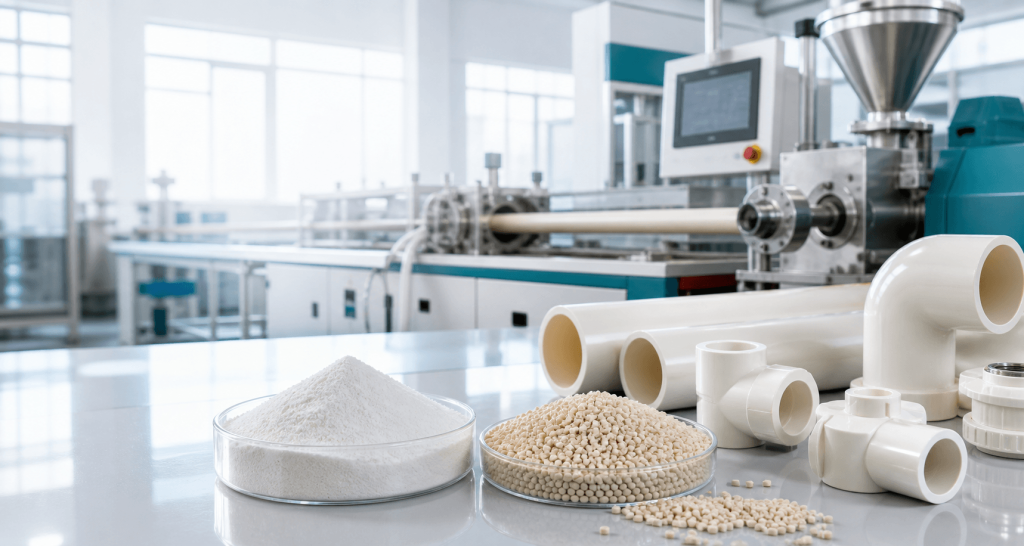
La resina CPVC è ampiamente utilizzata in applicazioni resistenti alle alte temperature, alla pressione e alla corrosione.
Gradi del prodotto
Formulata per una lavorazione agevole. La nostra resina CPVC garantisce un'estrusione e uno stampaggio a iniezione senza problemi.
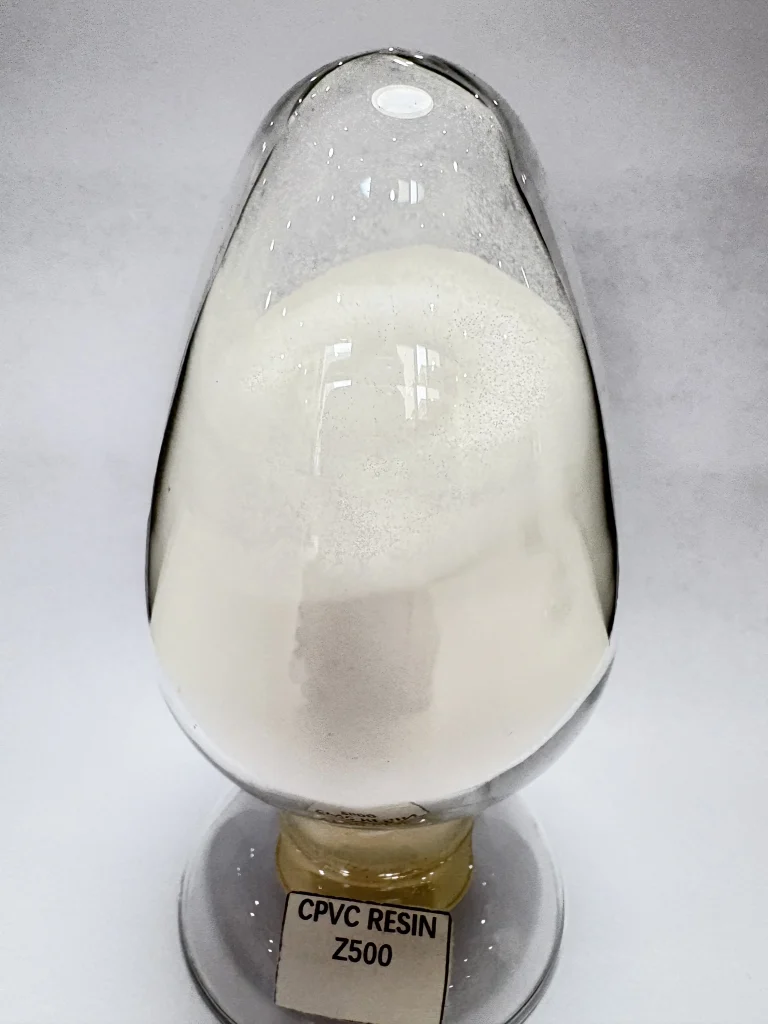
Cloruro di polivinile clorurato (CPVC) Z-500
Resina CPVC di grado iniezione per team di formulazione che sviluppano materiali per raccordi, valvole e componenti stampati in CPVC.
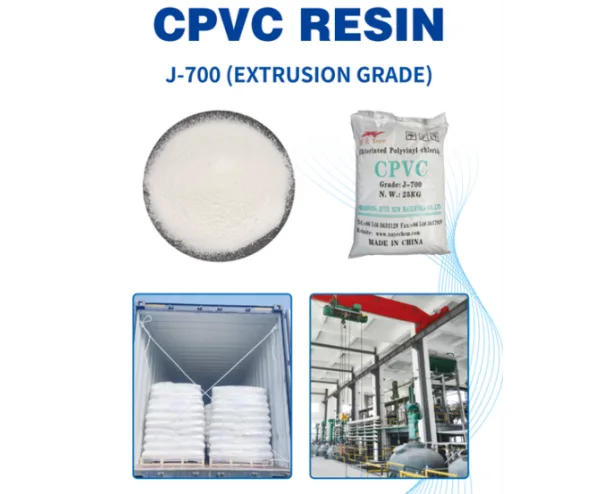
Cloruro di polivinile clorurato (CPVC) J-700
Resina CPVC di grado estrusione per team di formulazione che producono materiali per tubi in CPVC e composti polimerici clorurati personalizzati.
Cos'è la resina CPVC?
La resina CPVC (polivinilcloruro clorurato) è un polimero termoplastico prodotto mediante la clorurazione della resina PVC (polivinilcloruro). Il processo di clorurazione aumenta il contenuto di cloro da circa il 56-57% nel PVC a circa il 63-69% nel CPVC. Questa modifica chimica migliora la resistenza termica, la stabilità chimica e la resistenza meccanica del materiale, rendendolo adatto ad applicazioni ad alta temperatura e corrosive.
Qual è la relazione tra resina CPVC e compound CPVC?
Il compound CPVC è un materiale granulare prodotto miscelando la resina CPVC con vari additivi come stabilizzanti termici, lubrificanti, modificatori d'urto e pigmenti. Questo compound può essere utilizzato direttamente per lo stampaggio a iniezione o per l'estrusione. La relazione tra i due può essere riassunta così: “La resina CPVC è la materia prima, mentre il compound CPVC è un semilavorato pronto per la lavorazione diretta”. La prima determina le proprietà fisiche e chimiche fondamentali del materiale, mentre il secondo ne migliora le prestazioni di lavorazione e le caratteristiche applicative attraverso formulazioni ottimizzate.
FAQ
Risposte preparate sulla base delle informazioni esistenti sulla categoria Xuye e sulle domande comuni degli acquirenti.
Qual è la differenza tra CPVC e PVC?
Il CPVC è un PVC ulteriormente clorurato. Ciò conferisce al CPVC una maggiore resistenza al calore e agli agenti chimici, rendendolo più adatto per applicazioni con acqua calda e tubazioni industriali. Per un confronto dettagliato di ogni passaggio, consulta il nostro articolo CPVC vs. PVC
Qual è la differenza tra il CPVC e altri materiali plastici?
Rispetto ai comuni PP (polipropilene) e PE (polietilene), il CPVC ha una migliore resistenza al calore, ritardanza di fiamma e resistenza meccanica. Inoltre, il CPVC possiede anche una maggiore resistenza agli acidi e agli alcali.
Qual è la differenza tra CPVC e metallo nelle applicazioni di tubazioni?
Lo svantaggio dei materiali metallici è che sono soggetti a ruggine e invecchiamento, e l'interno tende a incrostarsi (macchie d'acqua). Il CPVC non arrugginisce e non si incrosta facilmente. Inoltre, i tubi realizzati in CPVC sono facili da tagliare e incollare durante l'installazione, il che contribuisce a ridurre i costi di manodopera. Anche le ore di formazione degli operatori saranno ridotte.
Qual è l'applicazione principale del CPVC?
Il CPVC è comunemente utilizzato nei sistemi di tubazioni in ambienti difficili. Ad esempio, tubi e raccordi per l'acqua calda che richiedono resistenza alle alte temperature, tubi e raccordi per impianti antincendio che richiedono elevata ritardanza di fiamma e resistenza al calore. Inoltre, può essere utilizzato anche in applicazioni industriali dove è richiesta resistenza chimica.