Cloruro di polivinile clorurato (CPVC) Z-500C
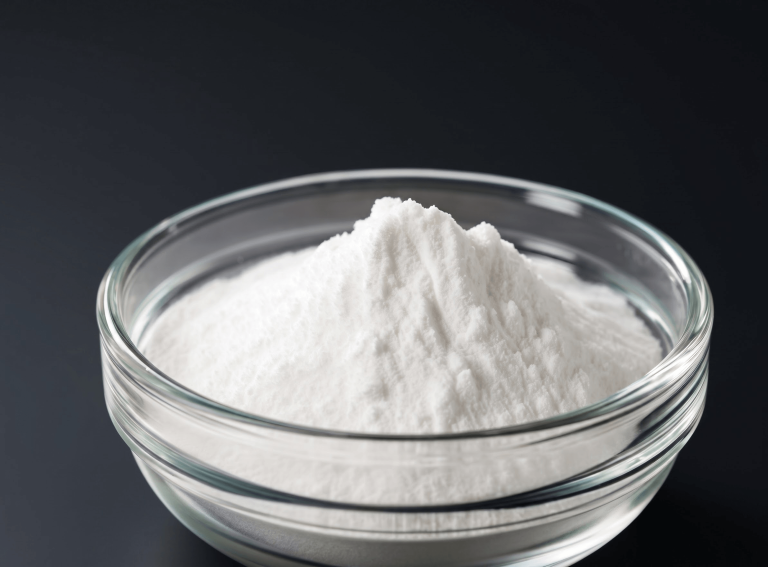
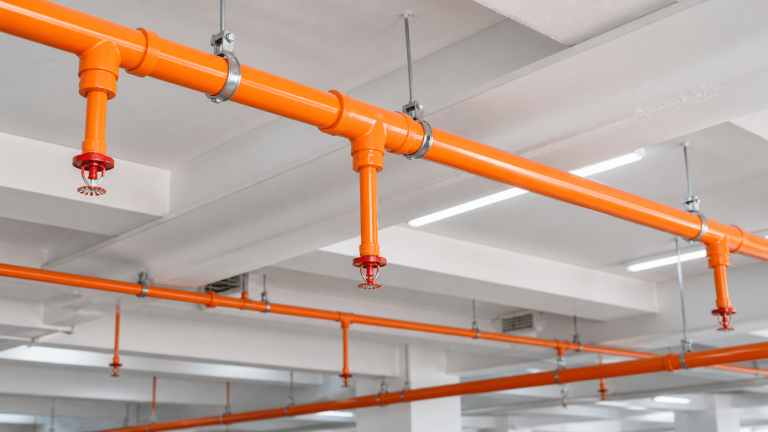
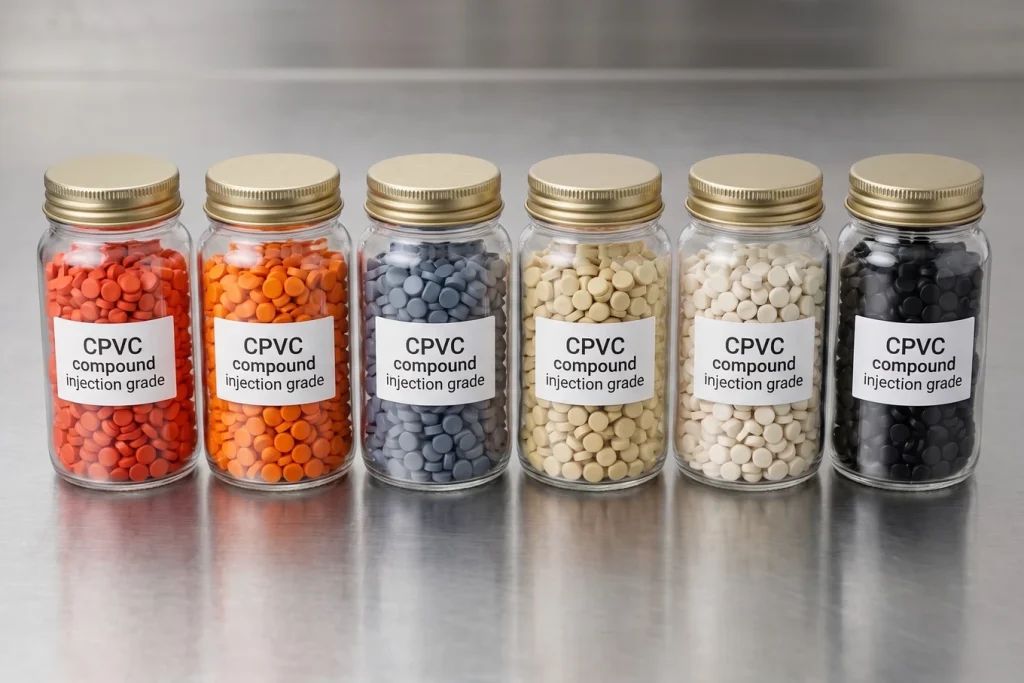
Compound in CPVC per stampaggio a iniezione per raccordi, valvole e raccordi antincendio.
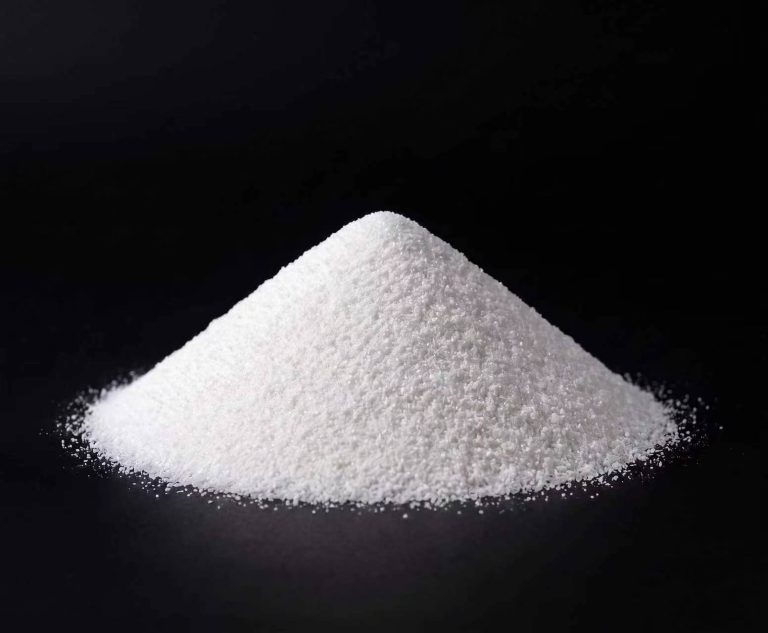
In qualità di produttore leader di polimeri clorurati, offriamo un portafoglio completo che include resina CPVC, compound CPVC e CPE. I nostri prodotti a base di polimeri clorurati sono progettati per applicazioni nell'estrusione di tubi, nella produzione di profili, nello stampaggio a iniezione e nella modifica della gomma.
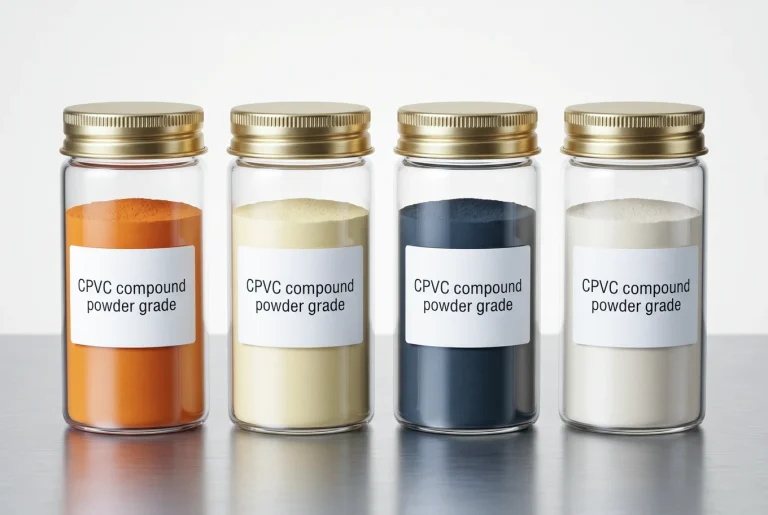
Composto di cloruro di polivinile clorurato pronto per la lavorazione per estrusione di tubi, stampaggio a iniezione di raccordi, tubazioni industriali e applicazioni di protezione antincendio.
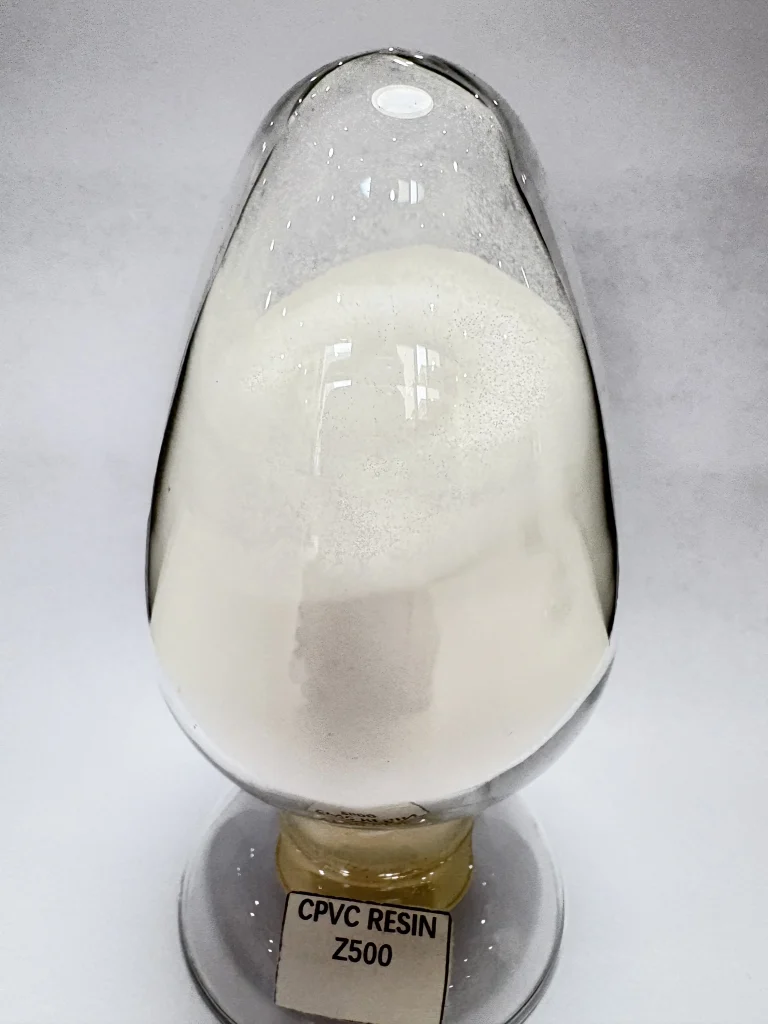
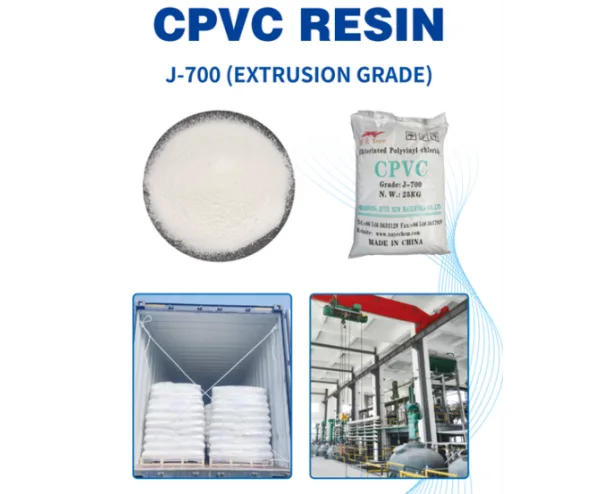
Resina di polivinilcloruro clorurato per estrusione e stampaggio a iniezione. Ideale per tubi per acqua calda e fredda, tubi industriali, raccordi, adesivi e rivestimenti.
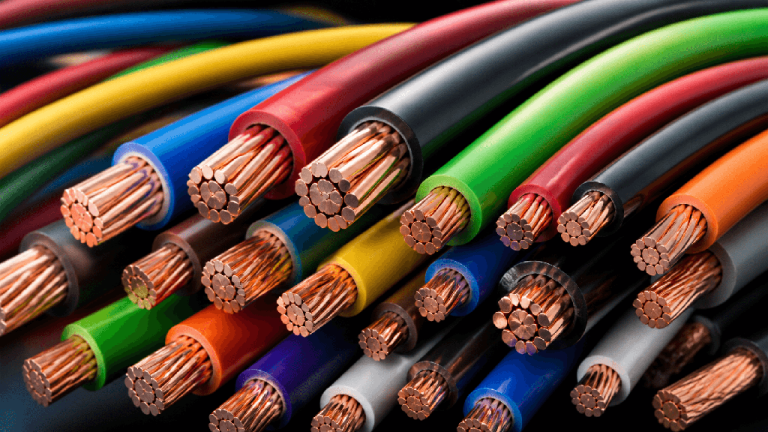
Il CPE (polietilene clorurato) è un elastomero polimerico o materiale termoplastico prodotto introducendo atomi di cloro nella catena molecolare del polietilene (PE). Presenta proprietà quali resistenza al calore, agli agenti atmosferici, agli oli, ritardanza di fiamma, resistenza chimica e resistenza all'ozono. Funge da modificatore d'impatto per prodotti in PVC rigido ed è ampiamente utilizzato nella produzione di porte, finestre e tubi in plastica. Inoltre, può sostituire la gomma neoprene in applicazioni specializzate nei settori dei cavi elettrici, nonché dei tubi flessibili e delle cinghie.
Weifang Derun Chemical (interamente acquisita da Xuye) possiede i più grandi impianti di produzione al mondo di SIPM e 5-SSIPA, utilizzando la tecnologia di produzione più avanzata in Cina. Entrambi i prodotti dispongono di diritti di proprietà intellettuale indipendenti e brevetti tecnici. I prodotti vengono esportati in Europa, Stati Uniti, Corea del Sud, India, Australia e altri paesi e regioni.
Il CPVC (polivinilcloruro clorurato) è un'evoluzione del PVC (polivinilcloruro). Attraverso un'ulteriore clorurazione del PVC, il CPVC ottiene una migliore resistenza al calore, ritardanza di fiamma, resistenza chimica e resistenza meccanica. Per uno sguardo più dettagliato su ogni passaggio, puoi leggere .
Rispetto ai comuni PP (polipropilene) e PE (polietilene), il CPVC ha una migliore resistenza al calore, ritardanza di fiamma e resistenza meccanica. Inoltre, il CPVC possiede anche una maggiore resistenza agli acidi e agli alcali.
Lo svantaggio dei materiali metallici è che sono soggetti a ruggine e invecchiamento, e l'interno tende a incrostarsi (macchie d'acqua). Il CPVC non arrugginisce e non si incrosta facilmente. Inoltre, i tubi realizzati in CPVC sono facili da tagliare e incollare durante l'installazione, il che contribuisce a ridurre i costi di manodopera. Anche le ore di formazione degli operatori saranno ridotte.
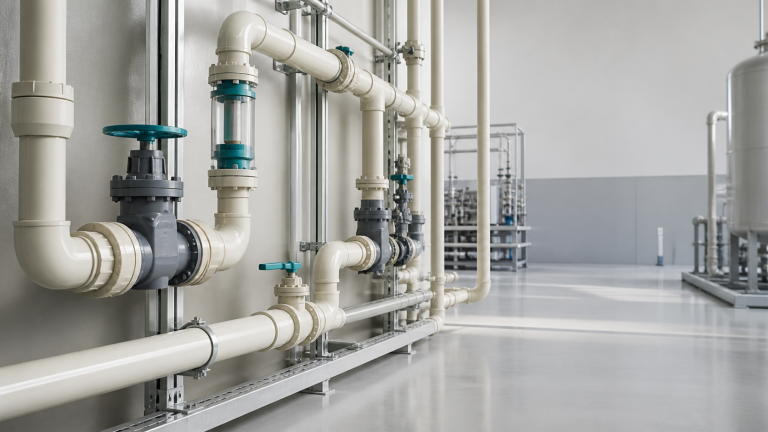
Il CPVC è comunemente utilizzato nei sistemi di tubazioni in ambienti difficili. Ad esempio, tubi e raccordi per l'acqua calda che richiedono resistenza alle alte temperature, tubi e raccordi per impianti antincendio che richiedono elevata ritardanza di fiamma e resistenza al calore. Inoltre, può essere utilizzato anche in applicazioni industriali dove è richiesta resistenza chimica.
Dicci la tua applicazione e il grado desiderato. XUYE ti aiuterà a confermare il prossimo passo pratico.
Questo sito web utilizza i cookie per migliorare la tua esperienza durante la navigazione. Di questi, i cookie classificati come necessari vengono memorizzati nel tuo browser in quanto essenziali per il funzionamento delle funzionalità di base del sito web.
Utilizziamo anche cookie di terze parti che ci aiutano ad analizzare e comprendere come utilizzi questo sito web. Questi cookie verranno memorizzati nel tuo browser solo con il tuo consenso. Hai anche la possibilità di disattivare questi cookie. Tuttavia, la disattivazione di alcuni di questi cookie potrebbe influire sulla tua esperienza di navigazione.