Introduzione: Perché questi materiali vengono spesso confrontati
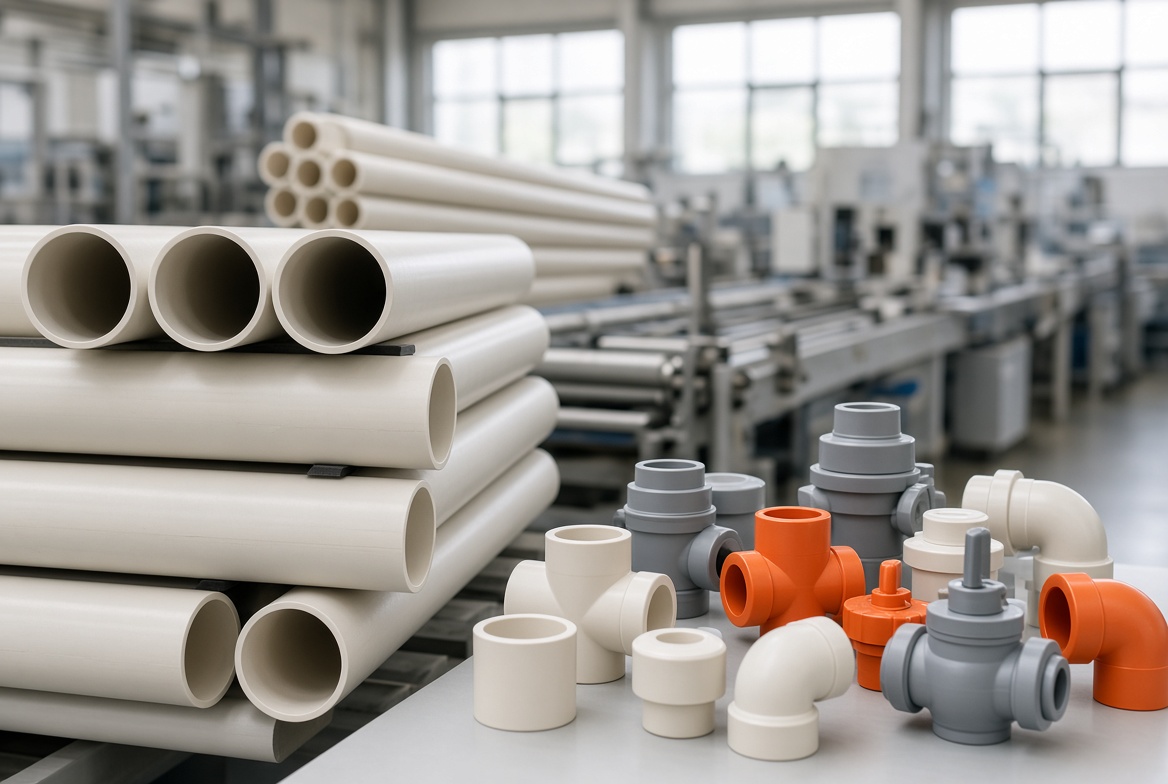
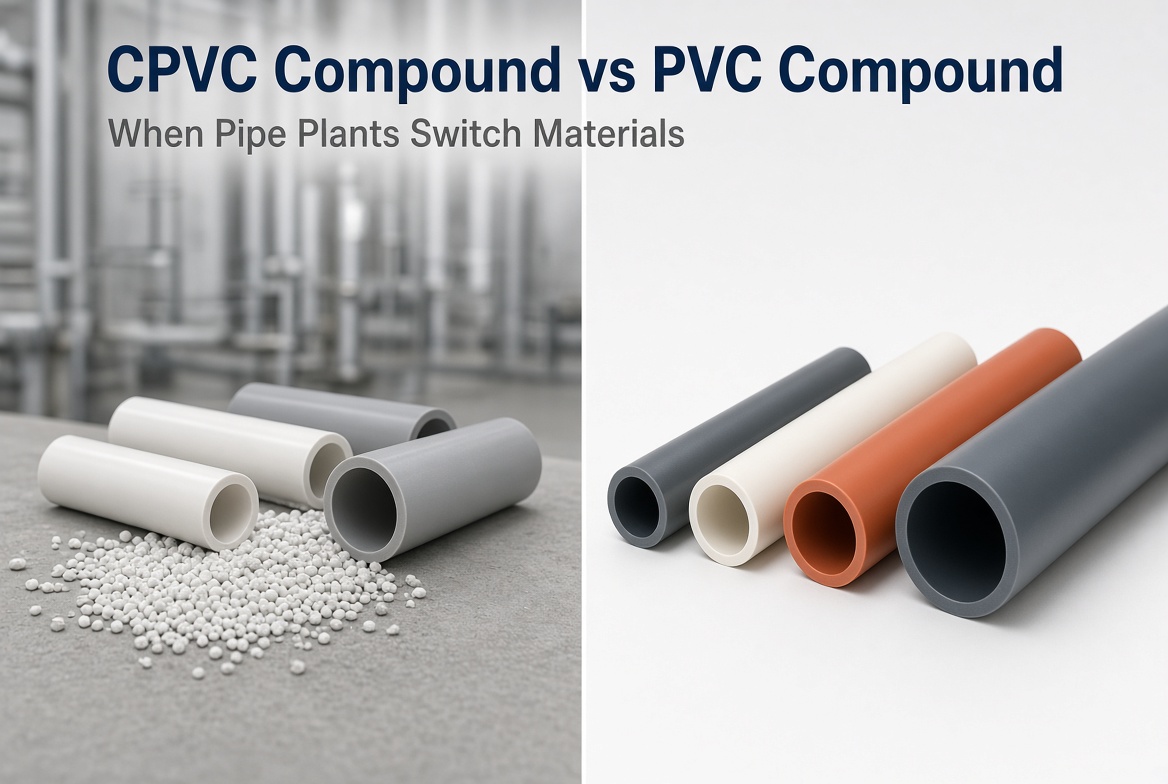
Quando si parla di materiali polimerici utilizzati nell'edilizia, nei cavi e nei prodotti industriali, CPE, CSM e PVC vengono spesso menzionati insieme. Sebbene i loro nomi siano simili, i loro ruoli nelle applicazioni reali sono piuttosto diversi. Scegliere il materiale giusto non riguarda semplicemente le prestazioni, ma l'adattamento del materiale all'ambiente di lavoro e ai requisiti del prodotto. Per questo motivo, comprendere le differenze tra questi materiali aiuta i produttori a prendere decisioni migliori e a migliorare l'affidabilità del prodotto.
Panoramica del PVC come plastica per uso generale
Quando si osservano le plastiche ampiamente utilizzate, il PVC rimane una delle opzioni più comuni. È prodotto da monomeri di cloruro di vinile ed è noto per la sua elevata rigidità ed efficienza in termini di costi. Grazie alla sua fornitura stabile e alla tecnologia di produzione matura, il PVC è ampiamente utilizzato in tubi, profili per finestre e isolamento di cavi. Allo stesso tempo, le sue proprietà possono essere regolate aggiungendo diversi additivi, consentendogli di essere rigido o flessibile a seconda dell'applicazione.
Comprendere il materiale CPE come modificatore di prestazioni
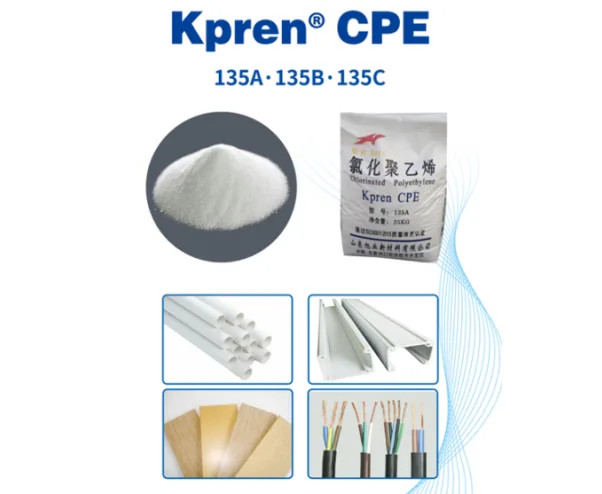
Quando si passa ai materiali modificati, CPE il materiale svolge un ruolo diverso. Il CPE, o polietilene clorurato, deriva dal polietilene ad alta densità attraverso un processo di clorurazione. Questa struttura gli conferisce una flessibilità simile alla gomma e una buona compatibilità con il PVC. Invece di essere utilizzato da solo, viene comunemente aggiunto al PVC come modificatore di impatto. In questo modo, migliora la tenacità e riduce la fragilità, specialmente in ambienti a bassa temperatura dove il PVC standard tende a rompersi più facilmente.
Esplorazione del CSM come gomma ad alte prestazioni
Quando si considerano ambienti più esigenti, il CSM offre una serie di proprietà completamente diverse. Il polietilene clorosolfonato è una gomma sintetica speciale che contiene gruppi funzionali che consentono la reticolazione. Ciò gli consente di formare una struttura di rete stabile durante la lavorazione. Di conseguenza, il CSM si comporta come un elastomero ad alte prestazioni piuttosto che come una plastica. È ampiamente utilizzato in applicazioni che richiedono una forte resistenza al calore, agli agenti chimici e all'esposizione prolungata all'aperto.
Differenze nella struttura molecolare e nel comportamento
Quando si confrontano questi materiali a livello strutturale, le differenze diventano più chiare. Il PVC è un materiale termoplastico lineare, il che spiega la sua rigidità e facilità di lavorazione. Il CPE, d'altra parte, ha una struttura cristallina parzialmente interrotta, che gli conferisce flessibilità e compatibilità con altri polimeri. Il CSM introduce gruppi funzionali aggiuntivi che consentono la reticolazione, risultando in una rete stabile ed elastica. Queste differenze strutturali influenzano direttamente il modo in cui ogni materiale si comporta nelle applicazioni reali.
Confronto delle prestazioni meccaniche
Quando si valutano le proprietà meccaniche, ogni materiale mostra i propri punti di forza. Il PVC offre elevata resistenza e rigidità, rendendolo adatto per applicazioni strutturali. Tuttavia, la sua resistenza all'impatto è limitata, specialmente in condizioni di freddo. Il CPE migliora questa debolezza aggiungendo flessibilità e assorbendo l'energia d'impatto. Nel frattempo, il CSM fornisce un'eccellente elasticità e recupero, che gli consente di funzionare bene in applicazioni in cui si verificano sollecitazioni o deformazioni ripetute.
Resistenza alla temperatura e intervallo di lavoro
Quando si esaminano le prestazioni termiche, anche le differenze sono significative. Il PVC tende a diventare fragile a basse temperature e ad ammorbidirsi a temperature più elevate, il che ne limita l'uso in ambienti estremi. Il CPE aiuta a migliorare la flessibilità a bassa temperatura quando utilizzato come additivo. Al contrario, il CSM può operare in un ampio intervallo di temperature, mantenendo le sue proprietà sia in condizioni di freddo che di alta temperatura. Questo lo rende adatto per applicazioni come apparecchiature automobilistiche e industriali.
Resistenza chimica e agli agenti atmosferici
Quando ci si concentra sulla durata, tutti e tre i materiali offrono resistenza chimica, ma a livelli diversi. Il PVC ha una buona resistenza a molti prodotti chimici, ma la sua resistenza agli agenti atmosferici a lungo termine è limitata senza additivi. Il CPE migliora la resistenza agli agenti atmosferici e aumenta la resistenza all'invecchiamento ambientale. Il CSM, tuttavia, si distingue per l'eccellente resistenza ai raggi UV, all'ozono e agli agenti chimici aggressivi. Questo lo rende una scelta preferita per rivestimenti esterni, materiali per coperture e ambienti di lavorazione chimica.
Ruoli di lavorazione e applicazioni tipiche
Quando si osserva come questi materiali vengono utilizzati nell'industria, i loro ruoli diventano molto chiari. Il PVC funge da materiale di base per una vasta gamma di prodotti come tubi, profili e pellicole. Il CPE funziona principalmente come modificatore per migliorare le prestazioni del PVC, in particolare nella resistenza all'impatto e nella flessibilità. Il CSM viene utilizzato indipendentemente come gomma ad alte prestazioni in ambienti esigenti, inclusi tubi automobilistici, rivestimenti industriali e rivestimenti protettivi.
Considerazioni sui costi e strategia di selezione
Quando si prendono decisioni sui materiali, il costo è sempre un fattore importante. Il PVC è l'opzione più conveniente grazie alla sua produzione su larga scala. Il CPE offre un equilibrio tra miglioramento delle prestazioni e costi ragionevoli, rendendolo una scelta pratica per molti produttori. Il CSM, pur offrendo prestazioni superiori, ha un prezzo più elevato a causa del suo complesso processo di produzione. Pertanto, la selezione del materiale dipende spesso dal bilanciamento dei requisiti di prestazione con i vincoli di budget.
Scegliere il materiale giusto per l'applicazione
Quando si sceglie tra questi materiali, le esigenze dell'applicazione dovrebbero sempre venire prima. Il PVC è adatto per prodotti di uso generale in cui il costo e la resistenza sono fattori chiave. Quando sono richieste maggiore tenacità e durata, l'aggiunta di CPE è una soluzione efficace. Per ambienti estremi che coinvolgono calore, sostanze chimiche o esposizione prolungata all'aperto, il CSM diventa l'opzione preferita. Questo approccio garantisce che i materiali vengano utilizzati in modo efficiente senza inutili aumenti di costo.
Conclusione: abbinare i materiali alle esigenze del mondo reale
Quando si esaminano le differenze tra questi materiali, diventa chiaro che ognuno ha un ruolo specifico. Il PVC fornisce una base affidabile e versatile, il CPE migliora le prestazioni come modificatore e il CSM offre una protezione di alto livello in ambienti difficili. Comprendere queste distinzioni consente ai produttori di ottimizzare le prestazioni del prodotto e prolungarne la durata.
Se stai cercando un produttore affidabile di materiale CPE, Xuye offre soluzioni CPE stabili e di alta qualità per varie applicazioni in PVC. Contatta Xuye per esplorare come i nostri materiali possono aiutare a migliorare le prestazioni del tuo prodotto mantenendo l'efficienza dei costi.