
CPVC Reçinesi
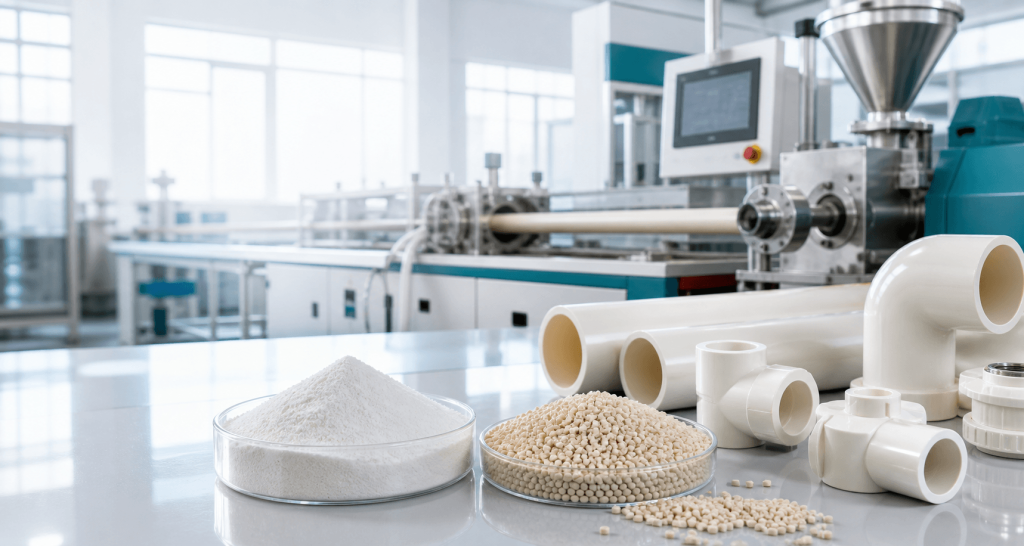
CPVC reçinesi, yüksek sıcaklığa, basınca ve korozyona dayanıklı uygulamalarda yaygın olarak kullanılır.
Ürün Sınıfları
Sorunsuz işleme için formüle edilmiştir. CPVC reçinemiz, sorunsuz ekstrüzyon ve enjeksiyon kalıplama sağlar.
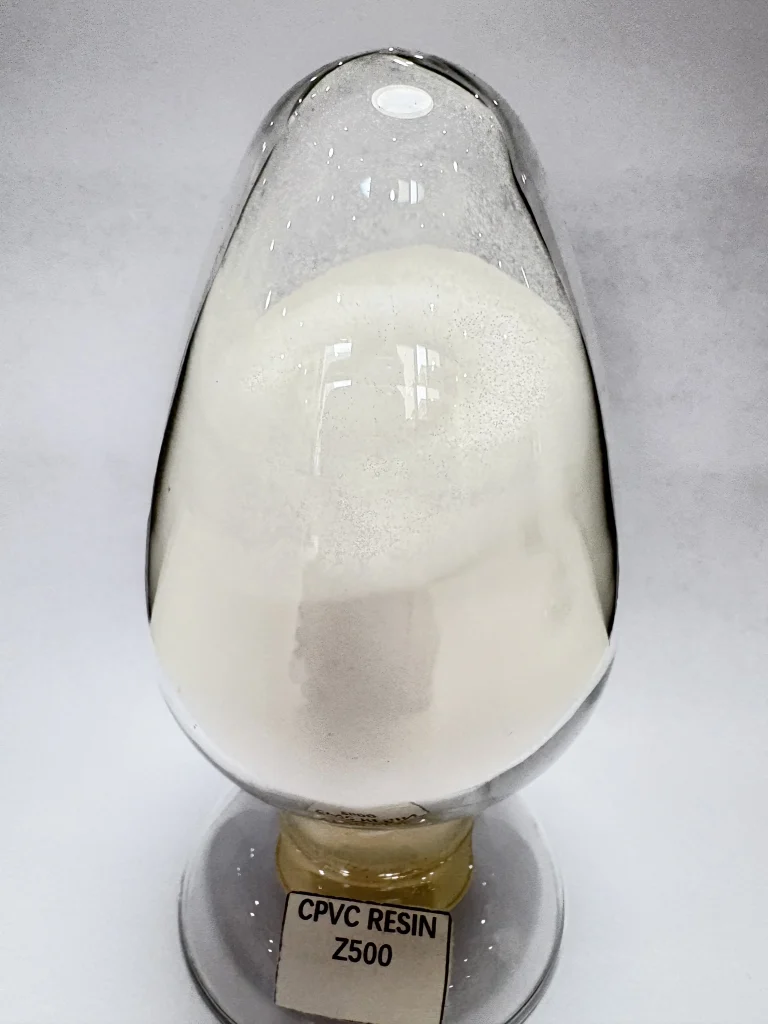
Klorlu Polivinil Klorür (CPVC) Z-500
CPVC bağlantı parçası, vana ve kalıplanmış bileşen malzemeleri geliştiren formülasyon ekipleri için enjeksiyon sınıfı CPVC reçinesi.
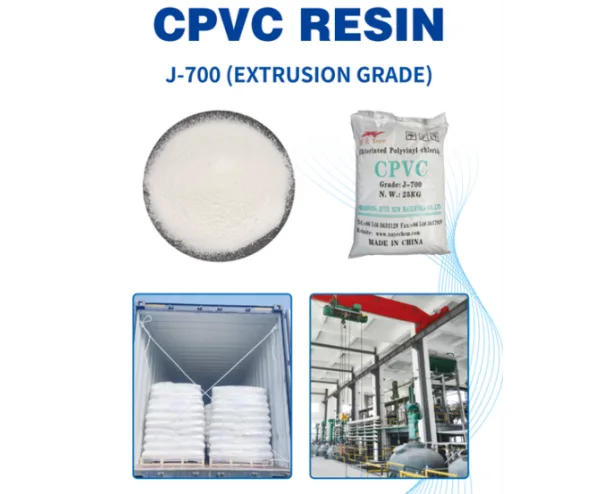
Klorlu Polivinil Klorür (CPVC) J-700
CPVC boru malzemeleri ve özelleştirilmiş klorlu polimer bileşikleri üreten formülasyon ekipleri için ekstrüzyon sınıfı CPVC reçinesi.
CPVC Reçinesi Nedir?
CPVC (Klorlu Polivinil Klorür) reçinesi, PVC (polivinil klorür) reçinesinin klorlanmasıyla üretilen bir termoplastik polimerdir. Klorlama işlemi, PVC'deki yaklaşık -57 olan klor içeriğini CPVC'de yaklaşık -69'a çıkarır. Bu kimyasal modifikasyon, malzemenin ısı direncini, kimyasal kararlılığını ve mekanik mukavemetini artırarak onu yüksek sıcaklık ve aşındırıcı uygulamalar için uygun hale getirir.
CPVC reçinesi ile CPVC bileşiği arasındaki ilişki nedir?
CPVC bileşiği, CPVC reçinesinin ısı stabilizatörleri, yağlayıcılar, darbe düzenleyiciler ve pigmentler gibi çeşitli katkı maddeleriyle harmanlanmasıyla üretilen granüler bir malzemedir. Bu bileşik, doğrudan enjeksiyon kalıplama veya ekstrüzyon işleme için kullanılabilir. İkisi arasındaki ilişki şu şekilde özetlenebilir: “CPVC reçinesi ham maddedir, CPVC bileşiği ise doğrudan işlemeye hazır yarı mamul bir üründür.” İlki malzemenin temel fiziksel ve kimyasal özelliklerini belirlerken, ikincisi optimize edilmiş formülasyonlar aracılığıyla işleme performansını ve uygulama özelliklerini geliştirir.
SSS
Mevcut Xuye kategori bilgileri ve yaygın alıcı sorularından hazırlanan yanıtlar.
CPVC ve PVC arasındaki fark nedir?
CPVC, PVC'nin daha fazla klorlanmasıyla elde edilir. Bu, CPVC'ye daha güçlü ısı direnci ve kimyasal direnç kazandırarak onu sıcak su ve endüstriyel boru tesisatı uygulamaları için daha uygun hale getirir. Her bir adımın ayrıntılı karşılaştırması için makalemize göz atın CPVC ve PVC karşılaştırması
CPVC ile diğer plastik malzemeler arasındaki fark nedir?
Yaygın olarak kullanılan PP (polipropilen) ve PE (polietilen) ile karşılaştırıldığında, CPVC daha iyi ısı direncine, alev geciktiriciliğe ve mekanik mukavemete sahiptir. Ayrıca CPVC, daha güçlü asit ve alkali direncine de sahiptir.
Boru uygulamalarında CPVC ile metal arasındaki fark nedir?
Metal malzemelerin dezavantajı, kolayca paslanmaları ve eskimeye maruz kalmalarıdır; ayrıca iç kısımları kolayca kireçlenebilir (su lekeleri). CPVC paslanmaz ve kireçlenmesi kolay değildir. Ayrıca, CPVC'den üretilen boruların kurulum sırasında kesilmesi ve birleştirilmesi kolaydır, bu da kurulum sırasındaki işçilik maliyetlerini düşürmeye yardımcı olur. Çalışanların eğitim süreleri de kısalacaktır.
CPVC'nin ana kullanım alanı nedir?
CPVC, zorlu ortamlardaki boru sistemlerinde yaygın olarak kullanılır. Örneğin, yüksek sıcaklık direnci gerektiren sıcak su tedarik boruları ve bağlantı parçaları, yüksek alev geciktiricilik ve ısı direnci gerektiren yangın söndürme boruları ve bağlantı parçaları. Ayrıca, kimyasal direncin gerekli olduğu endüstriyel uygulamalarda da kullanılabilir.