Klorlu Polivinil Klorür (CPVC) Z-500C
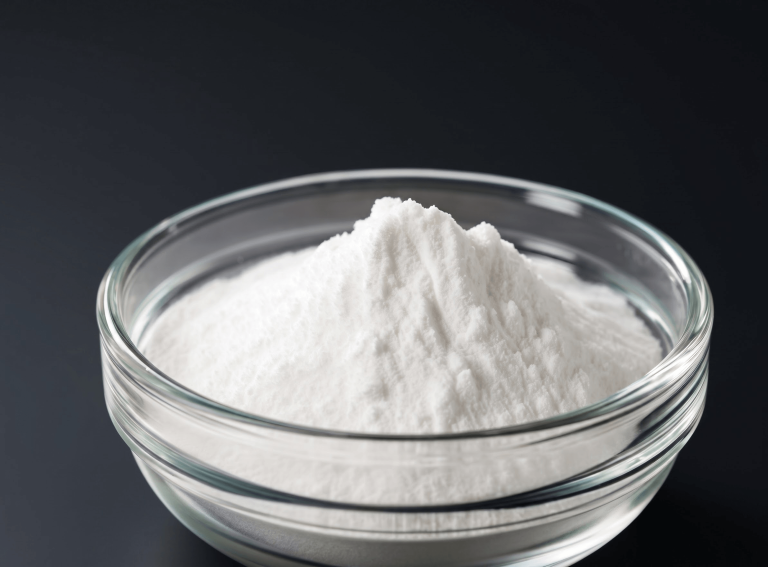
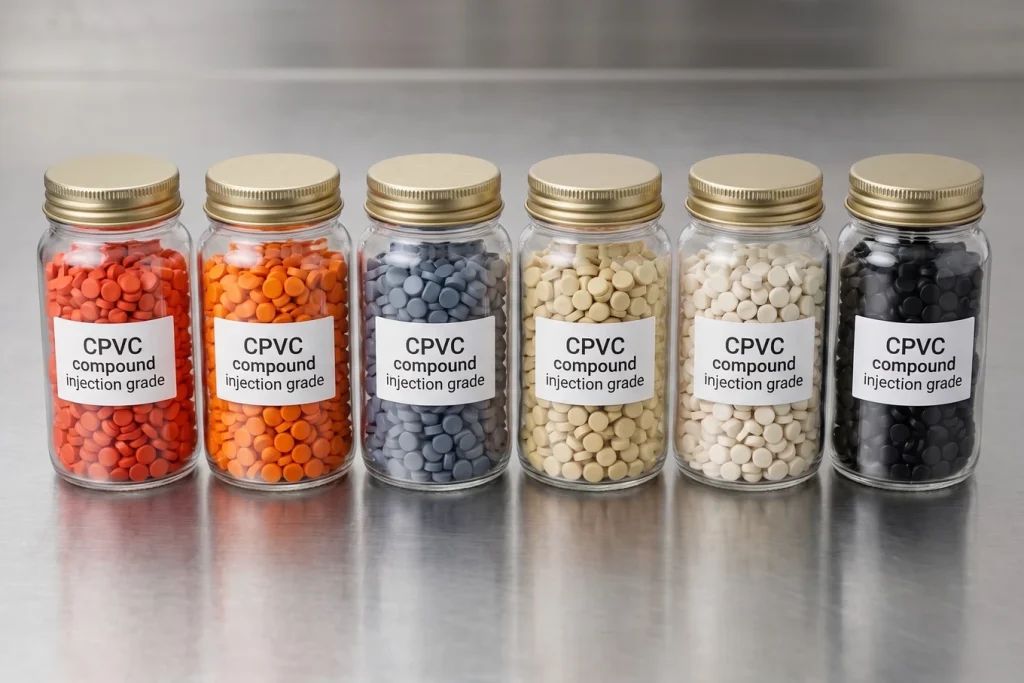
Ek parçalar, vanalar ve yangın koruma bağlantı parçaları için enjeksiyon sınıfı CPVC bileşiği.
Klorlu polimerlerin önde gelen üreticisi olarak, CPVC reçinesi, CPVC bileşiği ve CPE dahil olmak üzere kapsamlı bir portföy sunuyoruz. Klorlu polimer ürünlerimiz boru ekstrüzyonu, profil üretimi, enjeksiyon kalıplama ve kauçuk modifikasyonu uygulamaları için tasarlanmıştır.
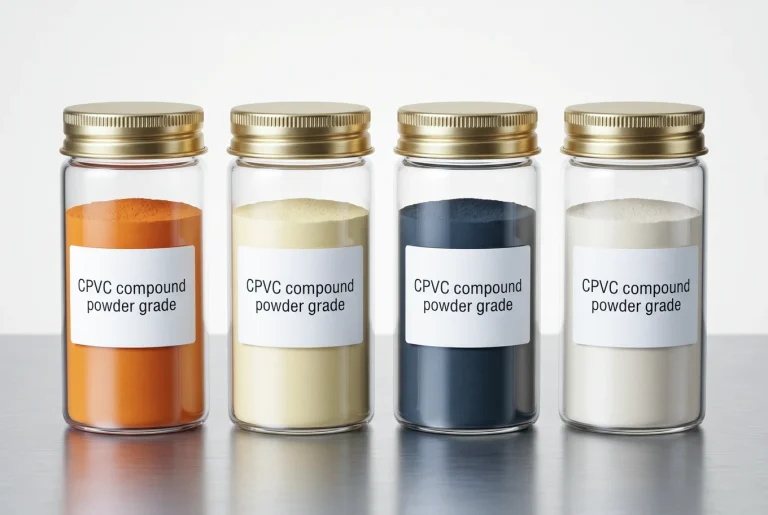
Boru ekstrüzyonu, bağlantı parçası enjeksiyon kalıplama, endüstriyel boru tesisatı ve yangın koruma uygulamaları için işlenmeye hazır klorlu polivinil klorür compound.
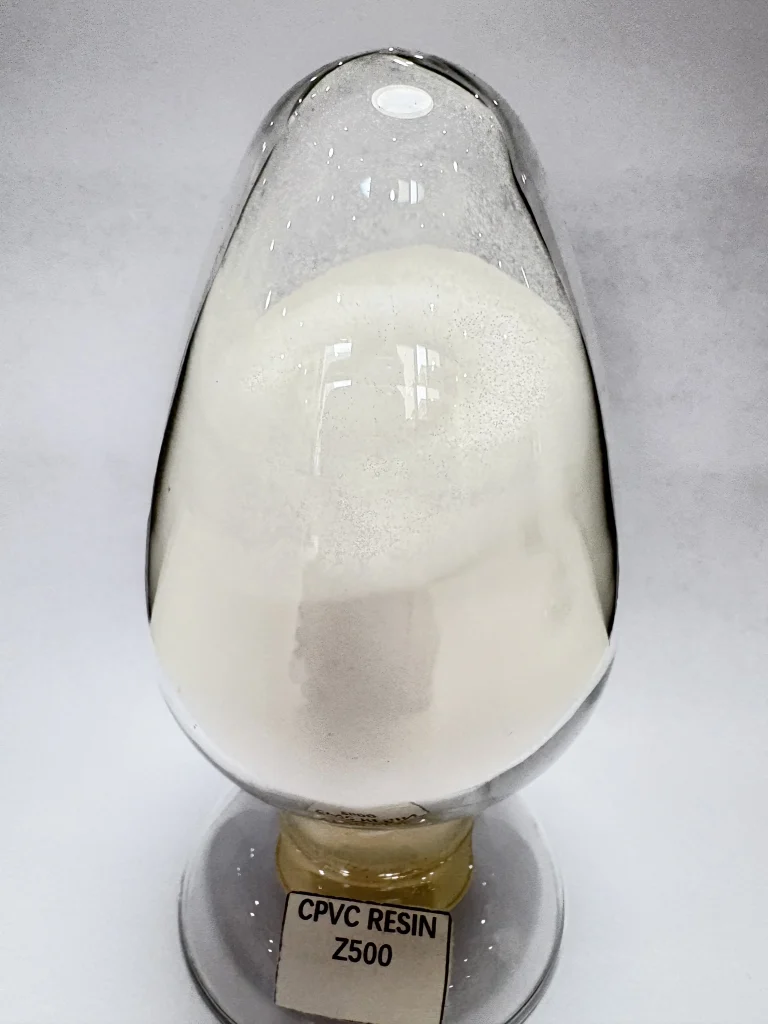
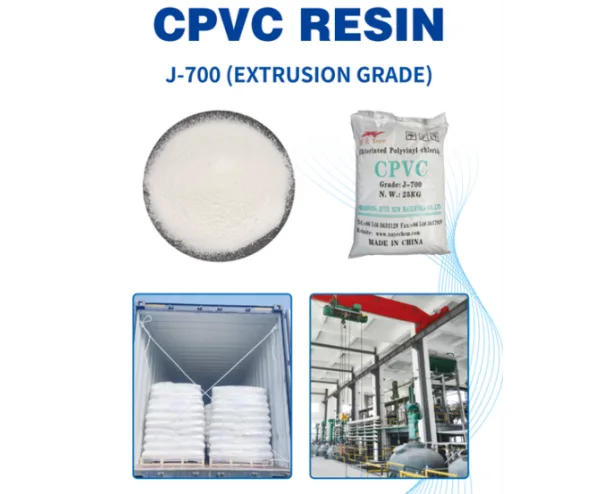
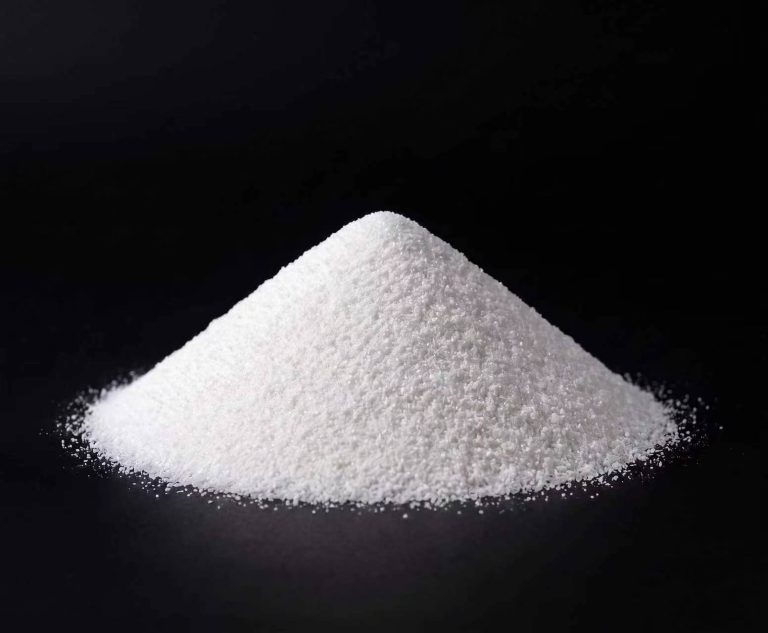
Ekstrüzyon ve enjeksiyon kalıplama için klorlu polivinil klorür reçinesi. Sıcak ve soğuk su boruları, endüstriyel borular, bağlantı parçaları, yapıştırıcılar ve kaplamalar için idealdir.
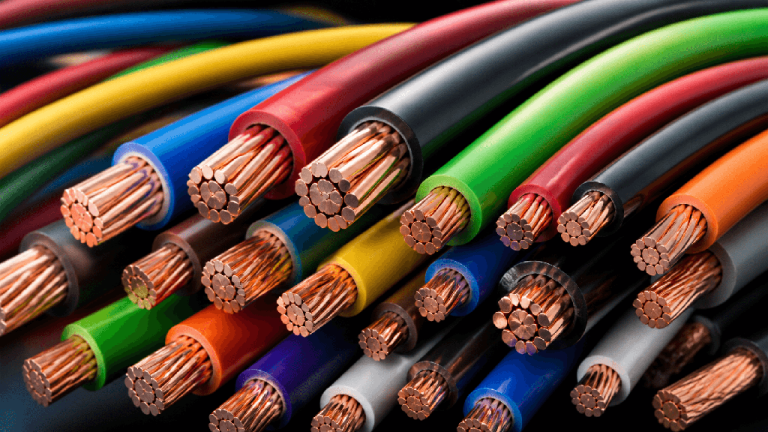
CPE (Klorlu Polietilen), polietilen (PE) moleküler zincirine klor atomlarının dahil edilmesiyle üretilen polimerik bir elastomer veya termoplastik malzemedir. Isı direnci, hava koşullarına dayanıklılık, yağ direnci, alev geciktiricilik, kimyasal direnç ve ozon direnci gibi özellikler sergiler. Sert PVC ürünleri için bir darbe düzenleyici görevi görür ve plastik kapı, pencere ve boru üretiminde yaygın olarak kullanılır. Ayrıca, tel ve kablo ile hortum ve kayış endüstrilerindeki özel uygulamalarda neopren kauçuğun yerini alabilir.
Weifang Derun Chemical (tamamı Xuye tarafından satın alınmıştır), Çin'deki en gelişmiş üretim teknolojisini kullanarak dünyanın en büyük SIPM ve 5-SSIPA üretim tesislerine sahiptir. Her iki ürün de bağımsız fikri mülkiyet haklarına ve teknik patentlere sahiptir. Ürünler Avrupa, Amerika Birleşik Devletleri, Güney Kore, Hindistan, Avustralya ve diğer ülke ve bölgelere ihraç edilmektedir.
CPVC (klorlu polivinil klorür), PVC'nin (polivinil klorür) bir üst versiyonudur. PVC'nin daha fazla klorlanmasıyla CPVC; daha iyi ısı direnci, alev geciktiricilik, kimyasal direnç ve mekanik mukavemet kazanır. Her bir adım hakkında daha detaylı bilgi için konusunu okuyabilirsiniz.
Yaygın olarak kullanılan PP (polipropilen) ve PE (polietilen) ile karşılaştırıldığında, CPVC daha iyi ısı direncine, alev geciktiriciliğe ve mekanik mukavemete sahiptir. Ayrıca CPVC, daha güçlü asit ve alkali direncine de sahiptir.
Metal malzemelerin dezavantajı, kolayca paslanmaları ve eskimeye maruz kalmalarıdır; ayrıca iç kısımları kolayca kireçlenebilir (su lekeleri). CPVC paslanmaz ve kireçlenmesi kolay değildir. Ayrıca, CPVC'den üretilen boruların kurulum sırasında kesilmesi ve birleştirilmesi kolaydır, bu da kurulum sırasındaki işçilik maliyetlerini düşürmeye yardımcı olur. Çalışanların eğitim süreleri de kısalacaktır.
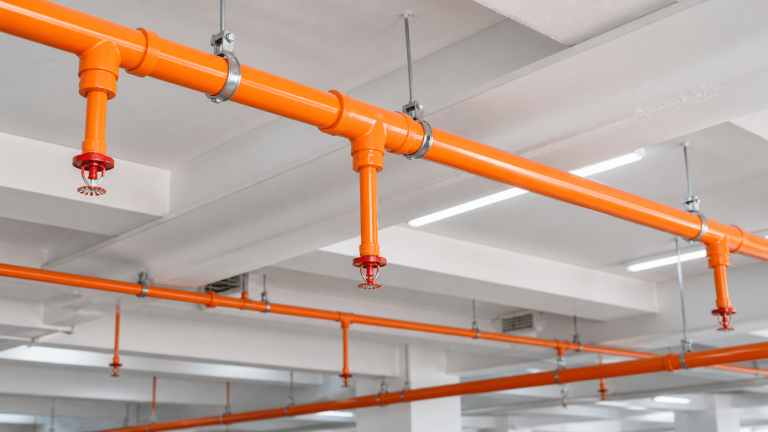
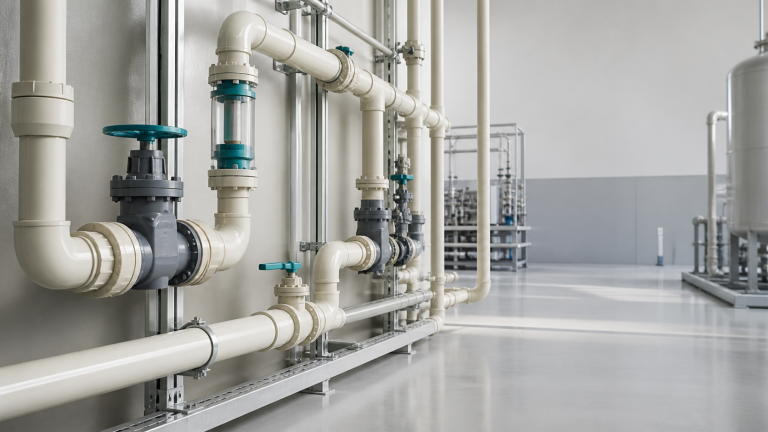
CPVC, zorlu ortamlardaki boru sistemlerinde yaygın olarak kullanılır. Örneğin, yüksek sıcaklık direnci gerektiren sıcak su tedarik boruları ve bağlantı parçaları, yüksek alev geciktiricilik ve ısı direnci gerektiren yangın söndürme boruları ve bağlantı parçaları. Ayrıca, kimyasal direncin gerekli olduğu endüstriyel uygulamalarda da kullanılabilir.
Uygulamanızı ve hedef sınıfınızı bize bildirin. Xuye, bir sonraki pratik adımı doğrulamanıza yardımcı olacaktır.
Bu web sitesi, web sitesinde gezinirken deneyiminizi iyileştirmek için çerezleri kullanır. Bunlardan gerekli olarak kategorize edilen çerezler, web sitesinin temel işlevlerinin çalışması için gerekli olduklarından tarayıcınızda saklanır.
Ayrıca, bu web sitesini nasıl kullandığınızı analiz etmemize ve anlamamıza yardımcı olan üçüncü taraf çerezleri de kullanıyoruz. Bu çerezler yalnızca sizin onayınızla tarayıcınızda saklanacaktır. Ayrıca bu çerezlerden vazgeçme seçeneğiniz de vardır. Ancak bu çerezlerden bazılarını devre dışı bırakmak gezinme deneyiminizi etkileyebilir.