
Bilgi merkezi
Blog
Endüstriyel Uygulamalarda CPE, CSM ve PVC Arasındaki Farkları Anlamak
Doğru malzemeyi seçmek sadece performansla ilgili değil, aynı zamanda malzemeyi çalışma ortamı ve ürün gereksinimleriyle eşleştirmekle ilgilidir. Bu nedenle, bu malzemeler arasındaki farkları anlamak, üreticilerin daha iyi kararlar almasına ve ürün güvenilirliğini artırmasına yardımcı olur.
Dış Mekan Uygulamaları İçin PVC Dayanıklılığının CPE ile Artırılması
Dış mekan plastik ürünlerine bakıldığında, dayanıklılık her zaman temel bir endişe kaynağıdır. Malzemeler uzun süre güneş ışığına, sıcaklık değişimlerine ve fiziksel darbelere maruz kalır.

CPE ve PVC Arasındaki Farklar Nelerdir?
CPE ve PVC, plastik ve kauçuk endüstrisinde yaygın olarak kullanılan iki malzemedir. Her ikisi de klor içerir ve her ikisi de kablolar, borular, otomotiv parçaları ve inşaat malzemeleri gibi uygulamalarda kullanılır.
CPE, Sert PVC Malzemelerin Performansını Nasıl Artırır
Sert PVC malzemeler incelendiğinde, yüksek mukavemetleri, iyi alev dirençleri ve güçlü kimyasal kararlılıkları nedeniyle yaygın olarak kullanıldıkları açıkça görülmektedir.
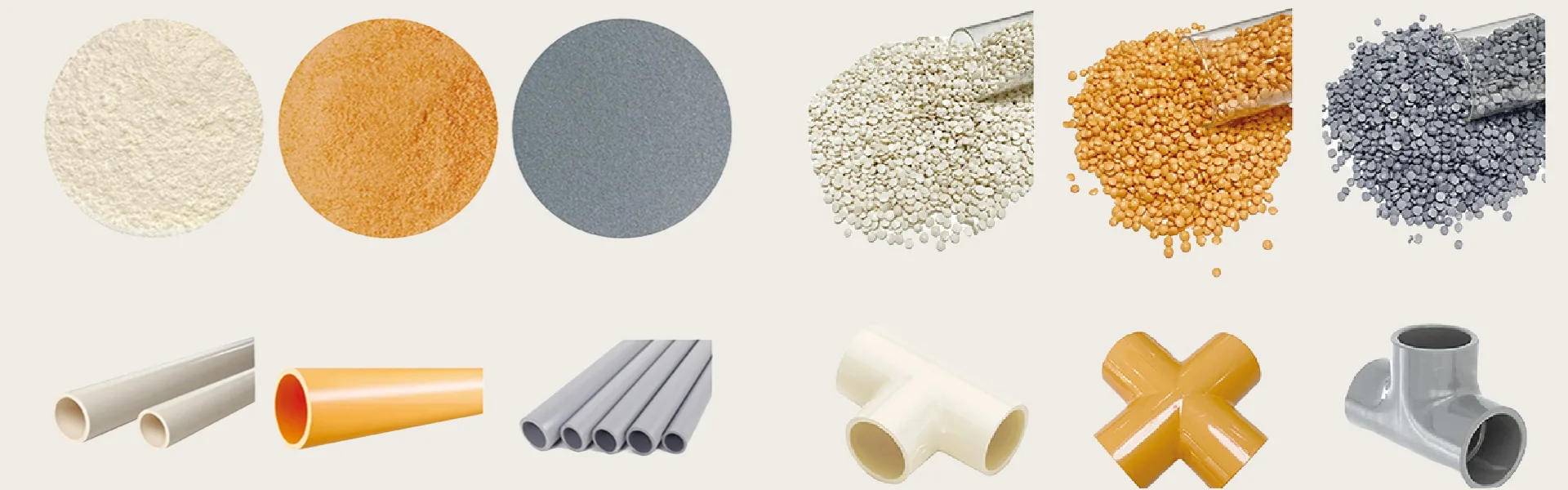
CPVC ve MPP Güç Boruları Arasındaki Farklar Nelerdir?
Bu farklılıkları anlamak, bakım maliyetlerini düşürmeye, arızaları önlemeye ve güç şebekelerinin güvenilir bir şekilde çalışmasını sağlamaya yardımcı olur.
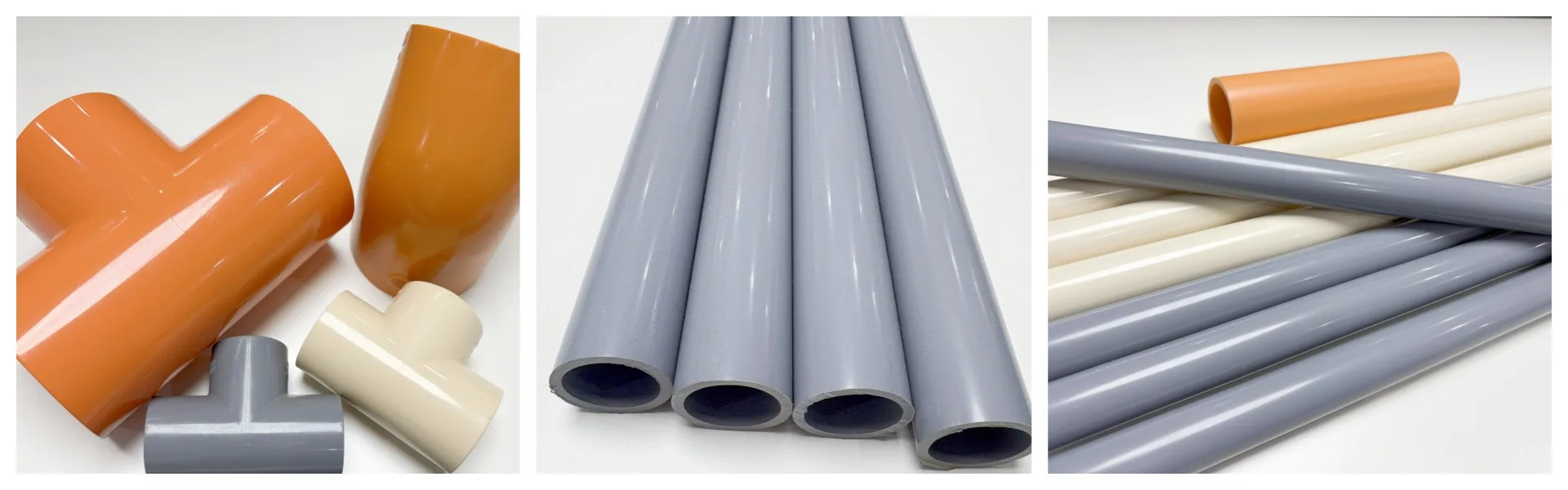
Klor-Alkali Endüstrisi Neden CPVC Endüstriyel Boru Sistemlerini Seçiyor
CPVC endüstriyel boru sistemleri; dayanıklılık, güvenlik ve ekonomik değeri dengeledikleri için tercih edilen bir çözüm haline gelmiştir.

CPVC Üretim Teknolojilerini Karşılaştırmak: CPVC Nasıl Üretilir?
Bu farklılıkları daha iyi anlamak için bu makale, üç ana CPVC üretim teknolojisini—çözücü yöntemi, sulu (süspansiyon) yöntemi ve gaz fazı (gaz-katı) yöntemi—ilkeleri, avantajları, sınırlamaları ve endüstriyel uygunlukları açısından karşılaştırmaktadır.
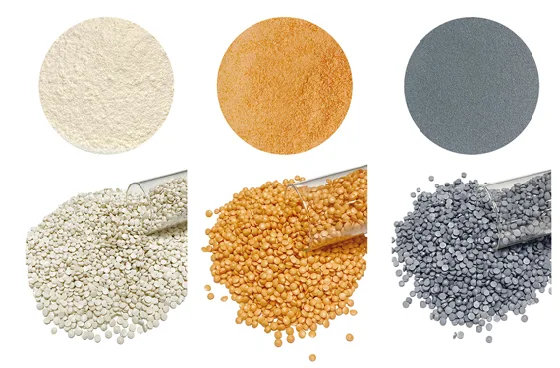
CPVC Neden Yüksek Performanslı Bir Mühendislik Plastiğidir
CPVC'nin neden yüksek performanslı bir mühendislik plastiği olarak sınıflandırıldığını daha iyi anlamak için yapısının, termal davranışının, kimyasal direncinin ve üretim teknolojisinin endüstriler genelinde tutarlı bir performans sağlamak için nasıl birlikte çalıştığına bakmak gerekir.
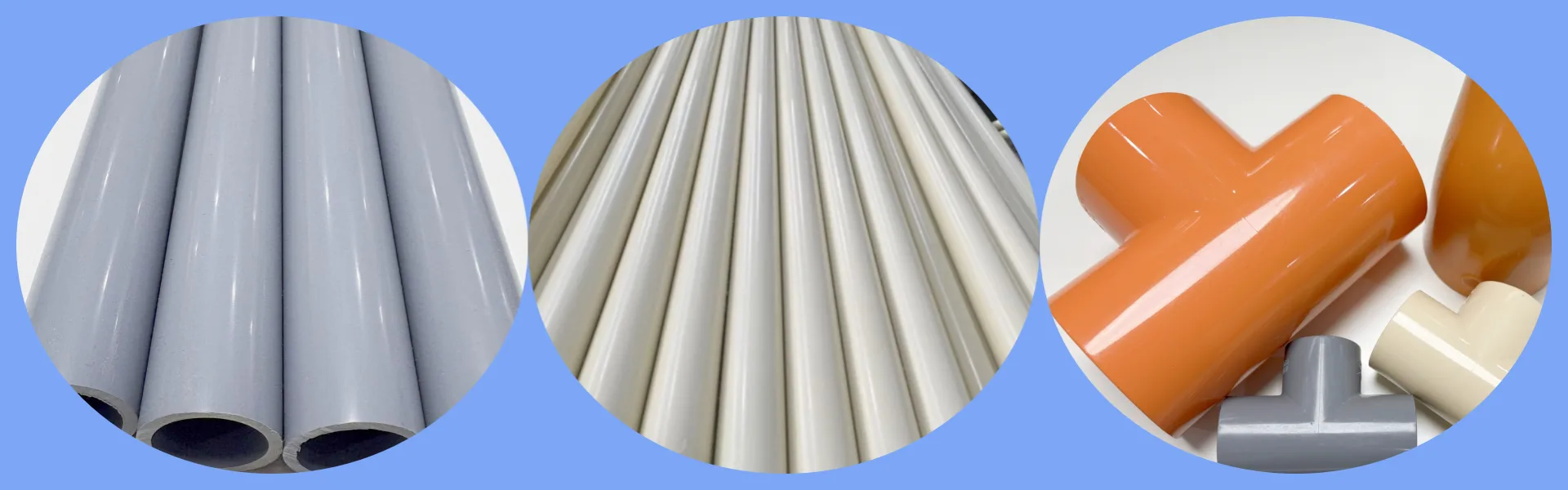
CPVC ve Metal Borulama: Modern Endüstriyel Uygulamalar İçin Kapsamlı Bir Karşılaştırma
Endüstriler bakım maliyetlerini düşürmenin, sistem güvenilirliğini artırmanın ve giderek daha agresifleşen kimyasallarla başa çıkmanın yollarını aramaya devam ettikçe, daha fazla şirket artık CPVC'yi pratik bir alternatif olarak değerlendiriyor. Bu eğilimin artmasıyla birlikte, CPVC'nin gerçek endüstriyel kullanımda geleneksel metal borularla nasıl kıyaslandığını anlamak büyük önem kazanıyor.
CPVC'nin Temel Uygulama Alanı Nedir?
Bu avantajlarıyla CPVC, birçok büyük endüstride standart bir tercih haline gelmiştir. Neden bu kadar popüler olduğunu daha iyi anlamak için, öncelikle performansını tanımlayan temel faydalara bakmalıyız.
CPVC Endüstriyel Boru Sistemlerinin Klorür İyonlarına (Cl⁻) Karşı Neden Mükemmel Direnç Gösterdiği
CPVC'nin klorür açısından zengin ortamlarda neden bu kadar iyi performans gösterdiğini anlamak, kimyasal işleme, tuzdan arındırma ve su arıtma endüstrilerindeki popülaritesini açıklamaya yardımcı olur.
-
Aseton Ticari CPVC'yi Nasıl Etkiler?
Bu makale, asetonun CPVC ile nasıl etkileşime girdiğini, olası etkilerini ve boru sistemlerinizi korumak için onu nasıl güvenli bir şekilde kullanacağınızı açıklamaktadır.