
Centre de connaissances
Blog
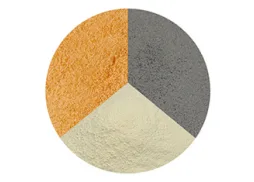
CPVC vs UPVC : Comprendre les différences clés entre deux matériaux de tuyauterie populaires
Comprendre les différences entre le CPVC et le UPVC aide les ingénieurs, les constructeurs et les fabricants à prendre la bonne décision pour chaque projet.
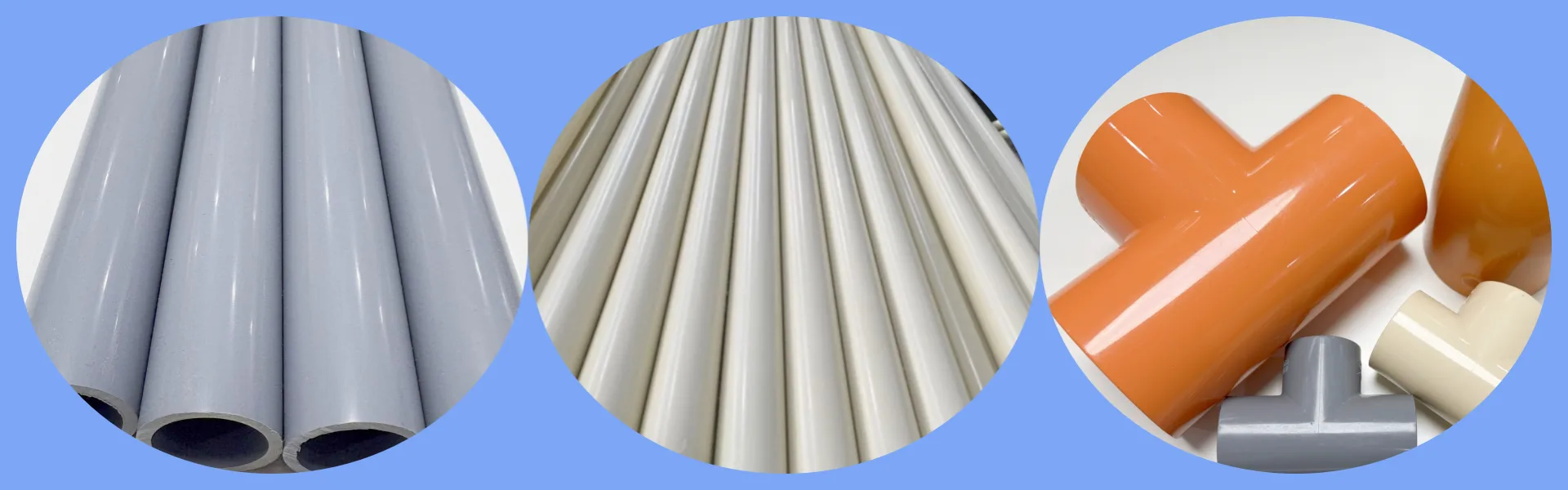
Défauts de transformation courants du CPVC et comment les éviter
Comprendre les causes réelles de ces problèmes et mettre en œuvre des solutions ciblées est essentiel pour améliorer la qualité des produits et l'efficacité de la production.
Quelles sont les différences entre le CPVC et le PVC ?
Cet article explique les principales différences entre le CPVC et le PVC, en abordant leur composition, leurs performances, leurs méthodes d'installation, leurs applications et leurs coûts, afin de vous aider à faire le bon choix.
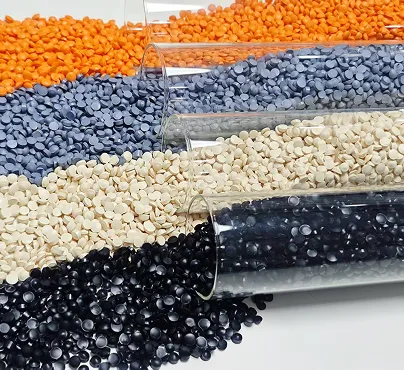
Qu'est-ce que le polychlorure de vinyle surchloré (CPVC) ?
En tant que forme modifiée du PVC, le CPVC offre une meilleure résistance à la chaleur, à la pression et aux produits chimiques, ce qui en fait un choix privilégié pour la tuyauterie, les revêtements et les systèmes industriels.

Contexte du CPVC
Le CPVC (polychlorure de vinyle surchloré) est un PVC modifié produit par post-chloration, offrant une résistance exceptionnelle à la chaleur, à la corrosion chimique et des propriétés mécaniques supérieures. Les points clés sont résumés ci-dessous.
Quels sont les avantages de l'utilisation du CPVC ?
Principaux avantages du CPVC par rapport aux matériaux traditionnels (métal et PVC standard)
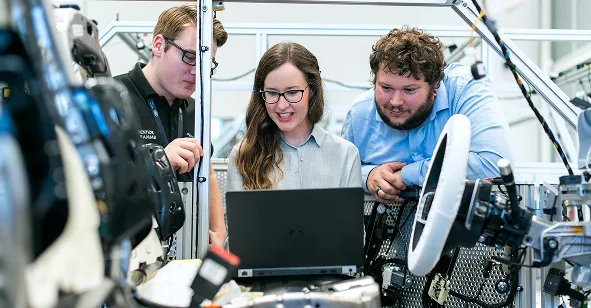
Contrôle qualité de la production de CPVC
Système de contrôle qualité de la production de CPVC 1、Contrôle des matières premières Résine PVC : résine de haute qualité avec une distribution de poids moléculaire et une pureté contrôlées. Chlore gazeux : pureté ≥99,5 % pour éviter les réactions secondaires. 2、Contrôle du processus de chloration Température, pression, temps de séjour et débit de chlore surveillés en ligne ; des alarmes et des verrouillages arrêtent l'alimentation lorsque les limites sont dépassées. Milieu de réaction (solvant ou suspension) sélectionné…
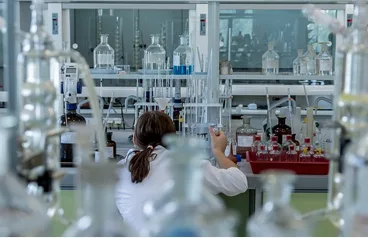
Scénarios d'application du CPVC
Le CPVC (polychlorure de vinyle surchloré) est un thermoplastique haute performance apprécié pour ses propriétés physiques et chimiques uniques, ce qui le rend indispensable dans de nombreux secteurs. Les principaux domaines d'application incluent : Construction Les tuyaux et raccords en CPVC sont largement utilisés pour la distribution d'eau potable, le CVC et les systèmes de protection incendie. Ils résistent aux températures élevées et aux produits chimiques agressifs, garantissant une distribution d'eau fiable et un transport efficace de…