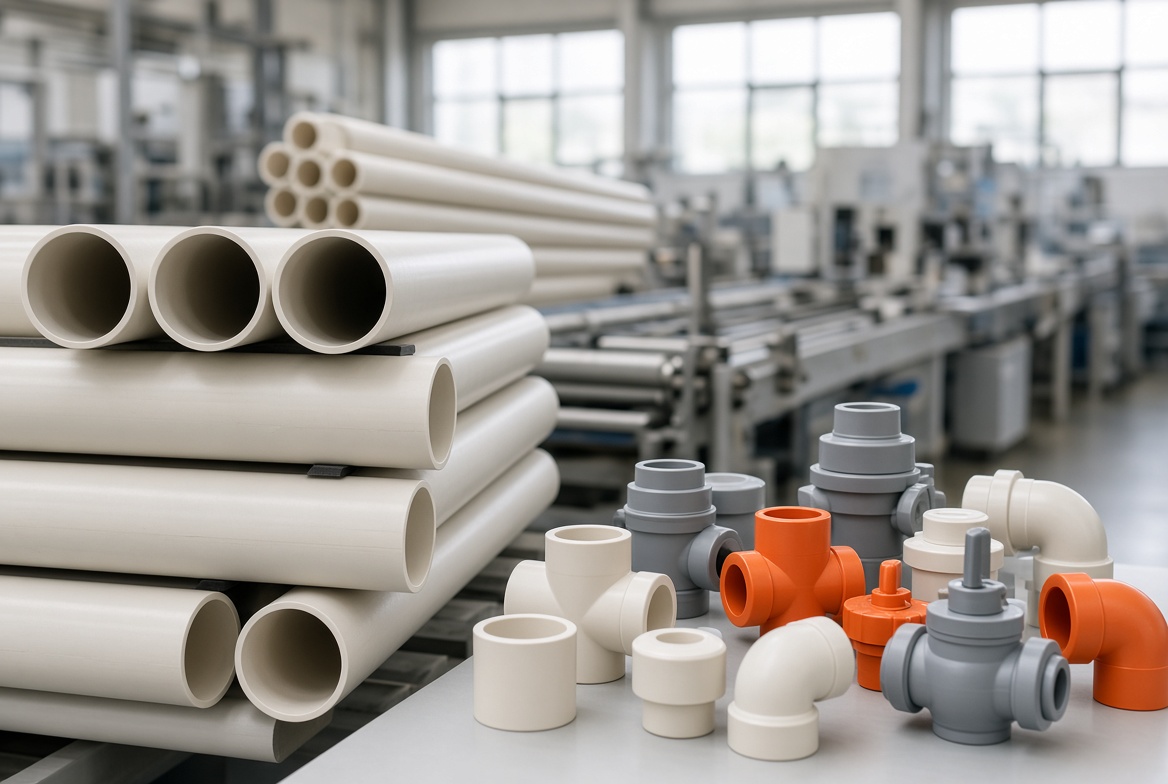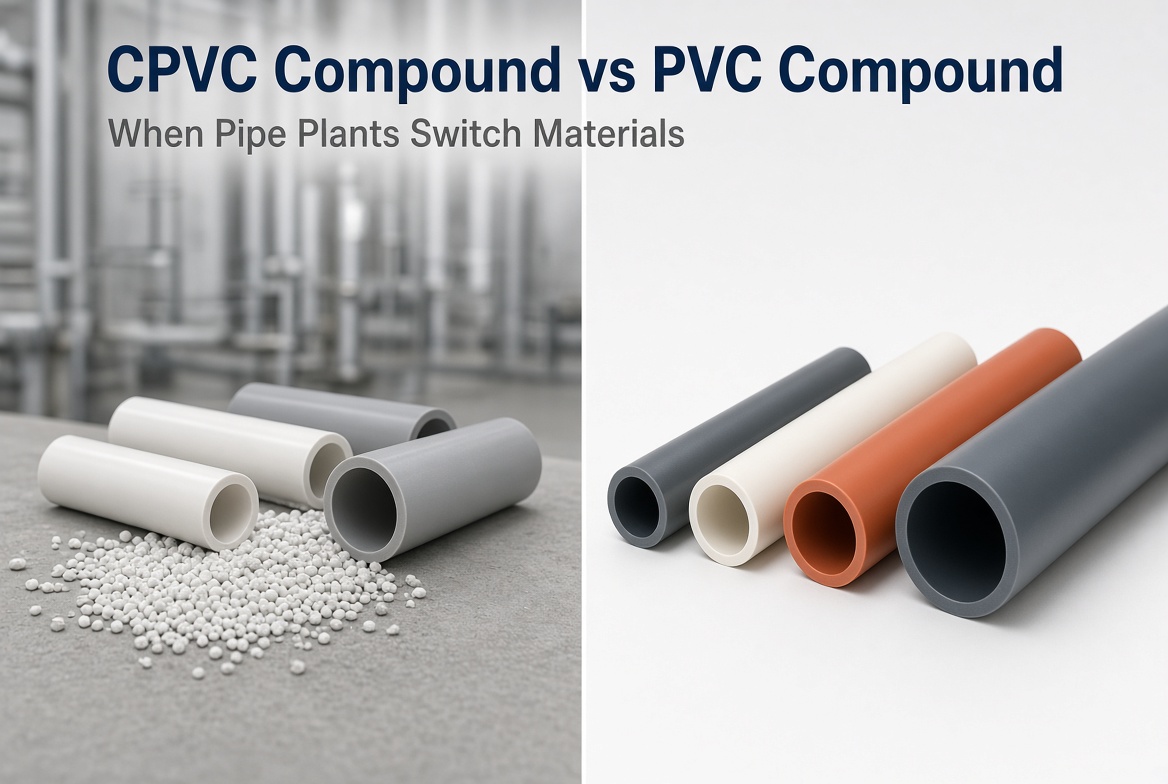
Bei der Planung unterirdischer Stromkabelsysteme ist die Wahl des richtigen Kabelschutzrohrs entscheidend für langfristige Sicherheit und Leistung. Stromleitungen müssen über Jahrzehnte hinweg Bodendruck, Temperaturschwankungen, Feuchtigkeit und möglicher chemischer Belastung standhalten. Daher vergleichen Ingenieure häufig CPVC- mit MPP-Stromrohrlösungen, bevor sie eine Entscheidung treffen. Obwohl beide Materialien in der elektrischen Infrastruktur weit verbreitet sind, unterscheiden sie sich erheblich in Struktur, Leistung und geeigneten Anwendungen. Das Verständnis dieser Unterschiede trägt dazu bei, Wartungskosten zu senken, Ausfälle zu verhindern und den zuverlässigen Betrieb von Stromnetzen zu gewährleisten.
Rohstoffe und Unterschiede in der Molekularstruktur
Zunächst liegt der grundlegende Unterschied in den Rohstoffen und der Molekularstruktur. MPP-Stromrohre bestehen aus modifiziertem Polypropylen, einem flexiblen Thermoplast, das für seine Zähigkeit und Schlagfestigkeit bekannt ist. Im Gegensatz dazu werden CPVC-Stromrohre aus chloriertem Polyvinylchlorid-Harz hergestellt, einem starren technischen Kunststoff mit hohem Chlorgehalt. Infolgedessen bildet CPVC eine starke und stabile Molekularstruktur, während MPP seine Flexibilität beibehält. Dieser strukturelle Unterschied erklärt, warum CPVC-Rohre eine höhere Steifigkeit und Wärmebeständigkeit bieten, während MPP-Rohre eine bessere Flexibilität bei der Installation aufweisen. Aus ingenieurtechnischer Sicht wirkt sich diese Unterscheidung zwischen starr und flexibel direkt auf die Leistung in verschiedenen Bauumgebungen aus.
Temperaturbeständigkeit und Lebensdauer
Neben der Materialzusammensetzung ist die Temperaturbeständigkeit ein weiterer Schlüsselfaktor. MPP-Rohre arbeiten im Allgemeinen zuverlässig zwischen etwa −5 °C und 70 °C, was sie für die meisten kommunalen Umgebungen geeignet macht. Jedoch, CPVC weisen Rohre eine überlegene Wärmebeständigkeit auf, wobei die langfristigen Betriebstemperaturen etwa 90 °C erreichen und die kurzfristige Toleranz sogar noch höher liegt. Folglich wird CPVC häufig für Bodenbedingungen mit hohen Temperaturen bevorzugt, wie etwa in Bereichen in der Nähe von Fernwärmeleitungen oder Industrieanlagen. Beide Materialien können eine lange Lebensdauer erreichen – oft bis zu 50 Jahre –, wenn sie innerhalb ihrer empfohlenen Temperaturbereiche verwendet werden. Für Projekte, die hitzebeständige elektrische Leitungen erfordern, bietet CPVC einen klaren Vorteil.
Chemische Stabilität und Korrosionsbeständigkeit
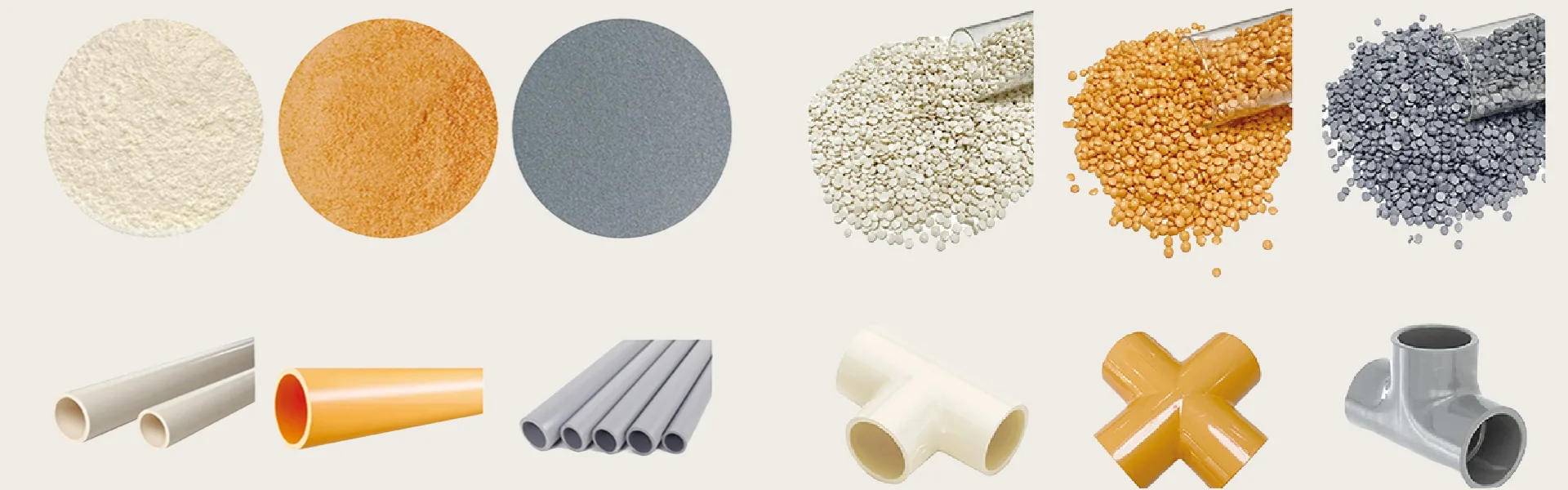
Ein weiterer wichtiger Aspekt ist die chemische Beständigkeit. MPP-Rohre funktionieren in allgemeinen Umgebungen gut, können sich jedoch bei Kontakt mit stark oxidierenden Chemikalien zersetzen. Andererseits bieten CPVC-Rohre eine hervorragende Beständigkeit gegen Säuren, Laugen, Salze und viele korrosive Substanzen. Dies ist auf den hohen Chlorgehalt in der Molekülkette von CPVC zurückzuführen, der die chemische Stabilität erhöht. Daher eignen sich CPVC-Leitungen besonders für Chemieanlagen, Küstenregionen und korrosive Böden, bei denen Metall oder weniger beständige Kunststoffe versagen könnten. Für Branchen, die mit aggressiven Medien arbeiten, kann die Wahl eines korrosionsbeständigen Stromrohrs wie CPVC die Wartungsrisiken erheblich reduzieren.
Vergleich der mechanischen Eigenschaften
Aus mechanischer Sicht zeigen CPVC und MPP ebenfalls deutliche Unterschiede. CPVC-Rohre weisen eine höhere Zugfestigkeit und Steifigkeit auf, wodurch sie Verformungen unter schwerer Bodenlast widerstehen können. Diese Steifigkeit trägt dazu bei, die strukturelle Stabilität über die Zeit aufrechtzuerhalten, selbst bei ungleichmäßigen Setzungen. Im Gegensatz dazu bieten MPP-Rohre eine höhere Schlagfestigkeit und Flexibilität, was das Schadensrisiko bei Transport und Installation verringert. Während CPVC Wert auf Festigkeit und Stabilität legt, konzentriert sich MPP auf Zähigkeit und Anpassungsfähigkeit. Ingenieure müssen diese Eigenschaften basierend auf den Projektanforderungen abwägen.
Geeignete Einsatzszenarien
Aufgrund dieser Leistungsunterschiede zeichnet sich jedes Material in bestimmten Szenarien aus. MPP-Rohre werden häufig bei grabenlosen Bauverfahren wie Horizontalspülbohrverfahren und Rohrvortrieb eingesetzt. Ihre Flexibilität und Schlagfestigkeit ermöglichen es ihnen, dynamische Lasten und Niedrigtemperaturbedingungen effektiv zu bewältigen. Umgekehrt sind CPVC-Rohre ideal für die direkte Verlegung unter Hochtemperatur- oder korrosiven Bedingungen, insbesondere in Industriegebieten und Küstenregionen. Bei der Bewertung von CPVC- und MPP-Stromrohr-Optionen sollten die Projektbedingungen – wie Bodentemperatur, chemische Belastung und Bauweise – die endgültige Wahl bestimmen.
Installations- und Verbindungsmethoden
Installationstechniken unterstreichen ihre Unterschiede zusätzlich. MPP-Rohre verwenden typischerweise Heizelementstumpfschweißen oder Elektroschweißmuffen, was starke Verbindungen für die grabenlose Installation schafft. Unterdessen verwenden CPVC-Rohre üblicherweise Gummiring-Muffenverbindungen oder Quellschweißverbindungen, was sie für die offene Bauweise praktisch macht. Jede Methode bietet bei korrekter Ausführung eine zuverlässige Abdichtung, aber die bevorzugte Technik hängt vom Projektdesign und der Installationsumgebung ab. Die Wahl der geeigneten Installationsmethode für Stromrohre trägt dazu bei, die Systemintegrität sicherzustellen und die Wahrscheinlichkeit von Leckagen oder Ausfällen zu verringern.
Anwendungsbereiche
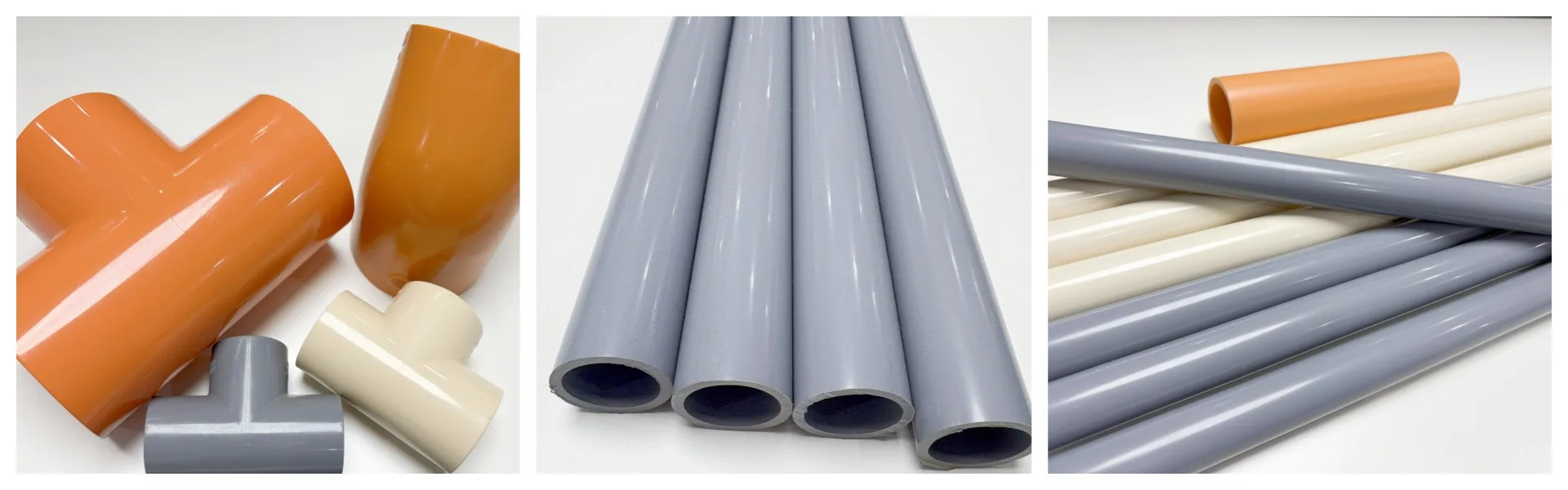
In der praktischen Anwendung werden MPP-Rohre häufig in der kommunalen Infrastruktur, in der Telekommunikation und bei Projekten eingesetzt, die eine grabenlose Bauweise erfordern, wie z. B. bei Straßen- oder Flussquerungen. CPVC-Rohre werden jedoch häufig für Industrieparks, Wohnsiedlungen, Flughäfen und die Modernisierung städtischer Stromnetze gewählt – insbesondere dort, wo Korrosions- oder Hitzebeständigkeit unerlässlich sind. Beide dienen als effektive Kabelschutzrohre für unterirdische Leitungen, aber ihre Stärken entsprechen unterschiedlichen technischen Anforderungen.
Fazit: Die optimale Wahl für energietechnische Projekte
Zusammenfassend lässt sich sagen, dass die Unterschiede zwischen CPVC- und MPP-Stromrohren auf ihren Materialeigenschaften und Leistungsmerkmalen beruhen. CPVC bietet eine überlegene Hitzebeständigkeit, chemische Stabilität und strukturelle Festigkeit, was es ideal für raue Umgebungen und langfristige Haltbarkeit macht. MPP bietet Flexibilität, Schlagfestigkeit und Eignung für die grabenlose Bauweise, was es bei dynamischen oder niedrigen Temperaturbedingungen vorteilhaft macht. Letztendlich gibt es keine universell überlegene Option – nur das am besten geeignete Material für ein bestimmtes Szenario. Eine sorgfältige Bewertung der Umgebungsbedingungen, Installationsmethoden und Lebenszykluskosten stellt ein zuverlässiges und kostengünstiges Stromkabelschutzsystem sicher.
Xuye New Materials ist ein professioneller CPVC-Lieferant spezialisiert auf hochwertige chlorierte Polyvinylchlorid-Materialien für anspruchsvolle industrielle Anwendungen. Mit fortschrittlicher Produktionstechnologie und strenger Qualitätskontrolle bietet Xuye weltweit zuverlässige CPVC-Lösungen für Rohre, Formstücke und elektrische Leitungen. Wenn Sie einen vertrauenswürdigen Lieferanten für chloriertes Polyvinylchlorid suchen, steht Xuye bereit, Ihre Projekte mit konstanter Leistung und fachkundigem Service zu unterstützen.