Chloriertes Polyvinylchlorid (CPVC) Z-500C
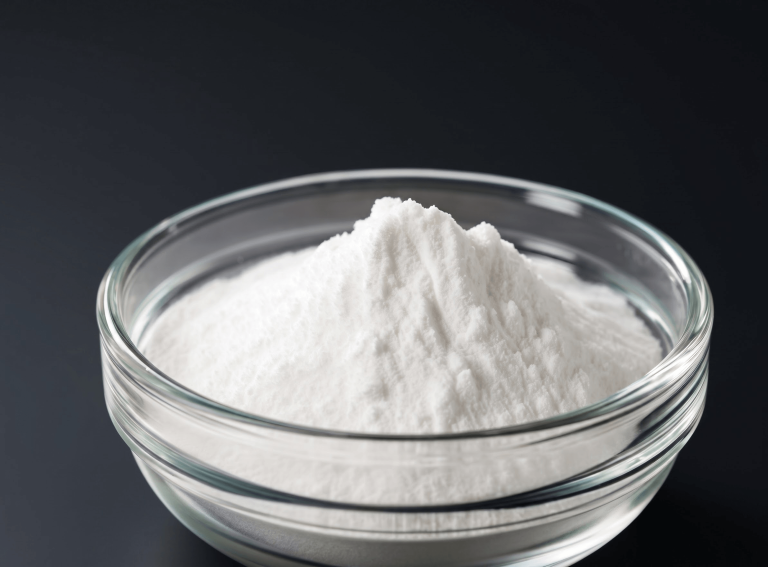
CPVC-Compound in Spritzgussqualität für Fittings, Ventile und Brandschutzformteile.
Als führender Hersteller von chlorierten Polymeren bieten wir ein umfassendes Portfolio an, das CPVC-Harz, CPVC-Compound und CPE umfasst. Unsere chlorierten Polymerprodukte sind für Anwendungen in der Rohrextrusion, Profilherstellung, im Spritzguss und in der Kautschukmodifizierung konzipiert.
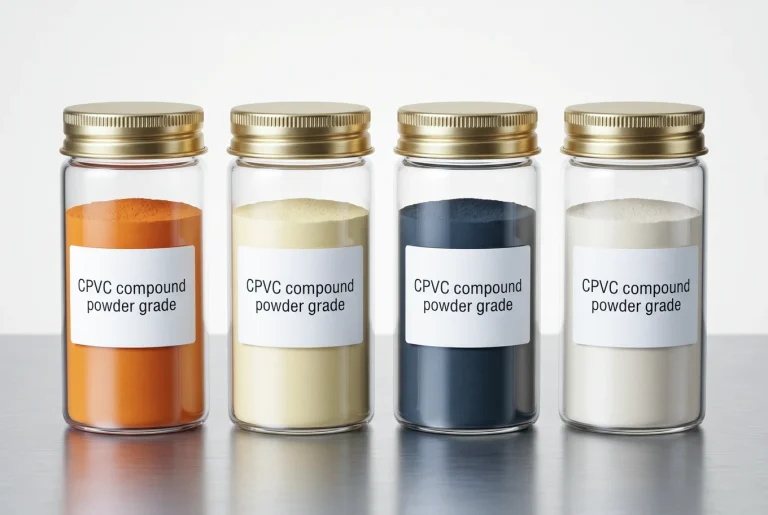
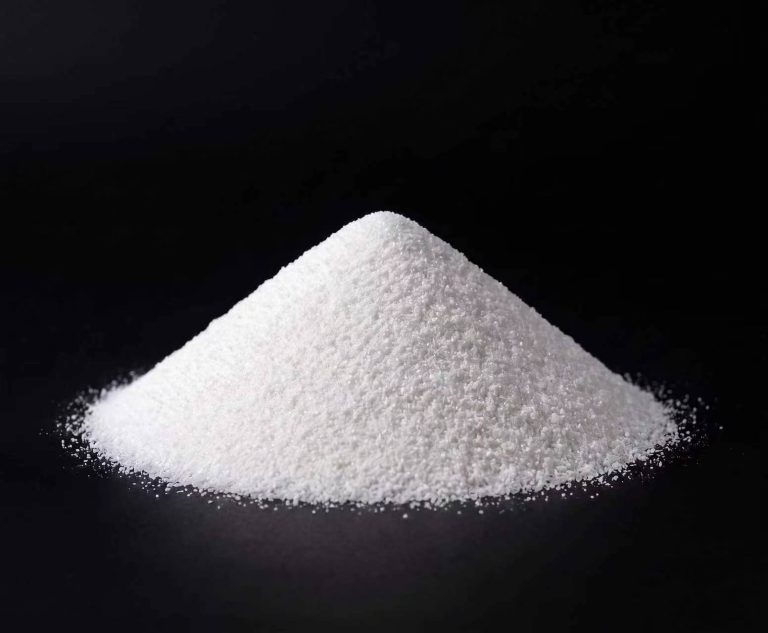
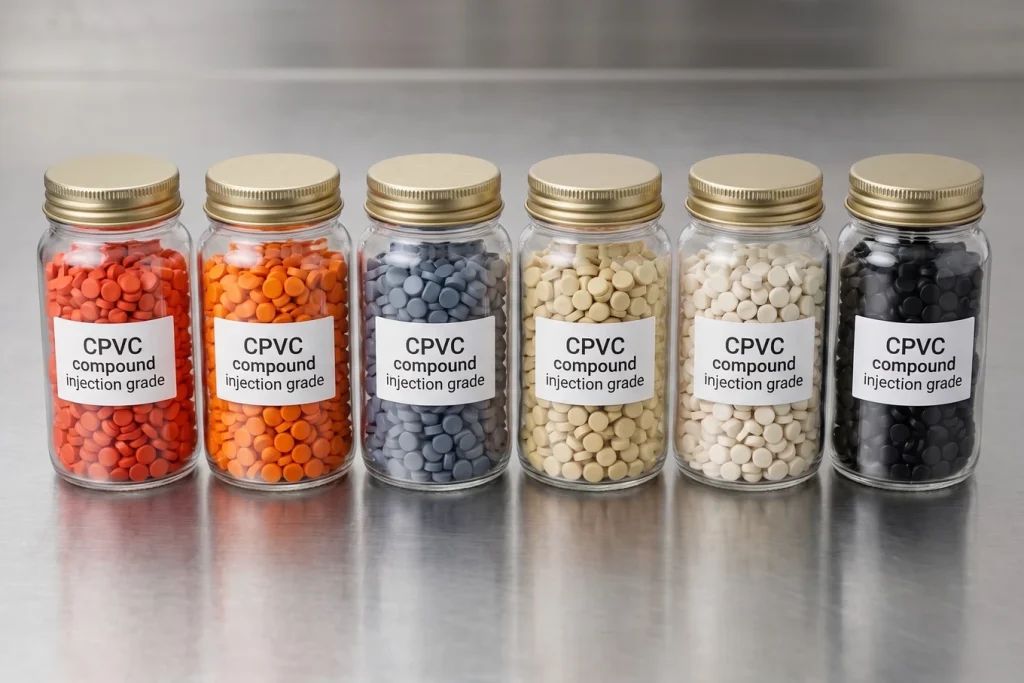
Verarbeitungsfertiges chloriertes Polyvinylchlorid-Compound für Rohrextrusion, Formstück-Spritzguss, industrielle Rohrleitungen und Brandschutzanwendungen.
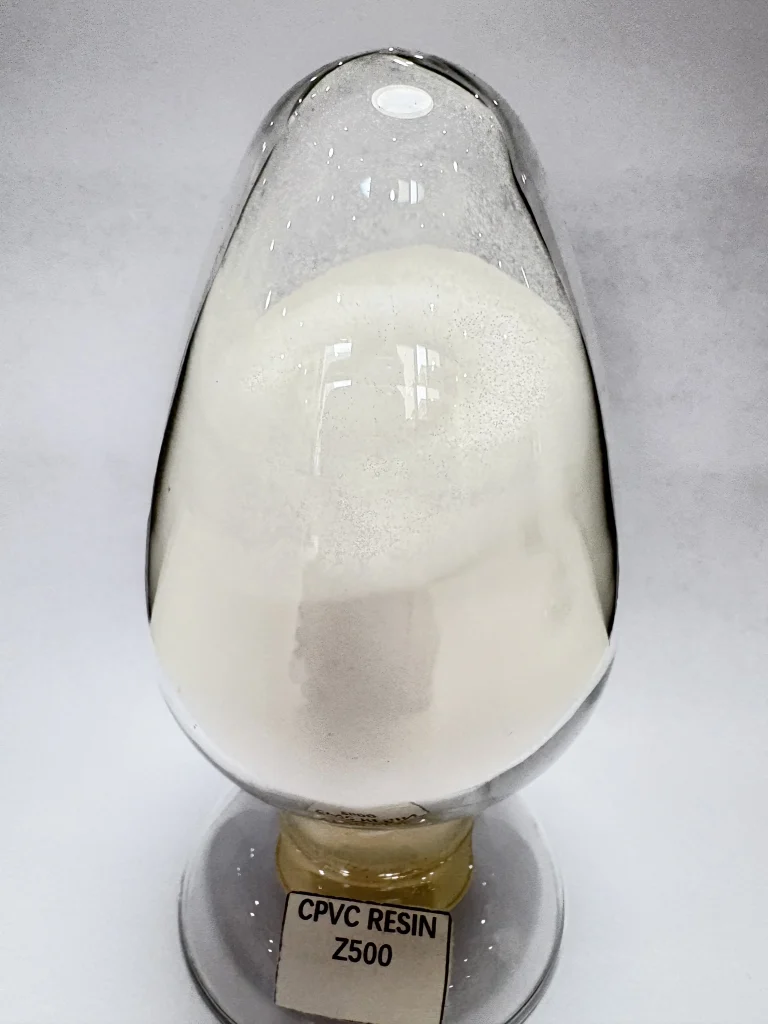
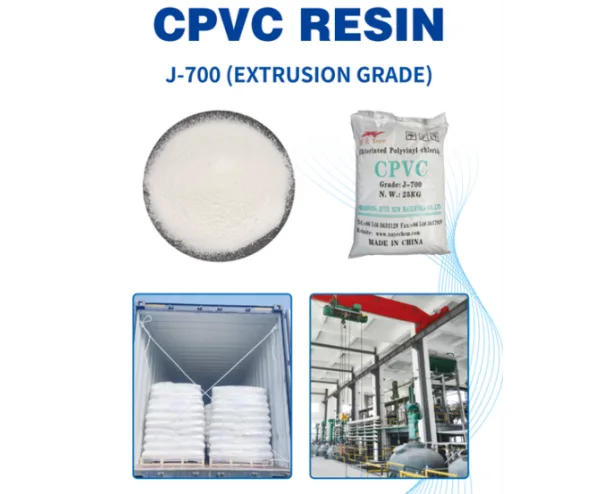
Chloriertes Polyvinylchlorid-Harz für Extrusion und Spritzguss. Ideal für Warm- und Kaltwasserrohre, Industrierohre, Formstücke, Klebstoffe und Beschichtungen.
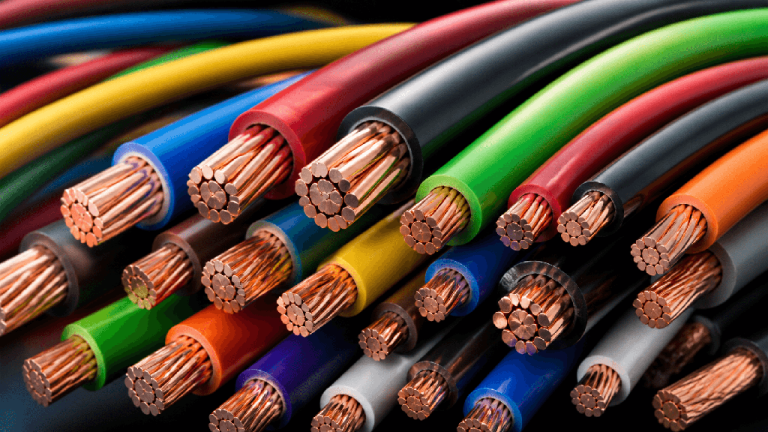
CPE (chloriertes Polyethylen) ist ein polymeres Elastomer oder thermoplastisches Material, das durch die Einführung von Chloratomen in die Polyethylen-Molekülkette (PE) hergestellt wird. Es weist Eigenschaften wie Hitzebeständigkeit, Witterungsbeständigkeit, Ölbeständigkeit, Flammwidrigkeit, chemische Beständigkeit und Ozonbeständigkeit auf. Es dient als Schlagzähigkeitsmodifikator für starre PVC-Produkte und wird häufig bei der Herstellung von Kunststofftüren, Fenstern und Rohren verwendet. Darüber hinaus kann es Neoprenkautschuk in speziellen Anwendungen in der Draht- und Kabelindustrie sowie in der Schlauch- und Riemenindustrie ersetzen.
Weifang Derun Chemical (vollständig von Xuye übernommen) besitzt die weltweit größten Produktionsanlagen für SIPM und 5-SSIPA und nutzt die fortschrittlichste Produktionstechnologie in China. Beide Produkte verfügen über unabhängige geistige Eigentumsrechte und technische Patente. Die Produkte werden nach Europa, in die Vereinigten Staaten, nach Südkorea, Indien, Australien sowie in andere Länder und Regionen exportiert.
CPVC (chloriertes Polyvinylchlorid) ist eine Weiterentwicklung von PVC (Polyvinylchlorid). Durch die weitere Chlorierung von PVC erhält CPVC eine bessere Wärmebeständigkeit, Flammwidrigkeit, chemische Beständigkeit und mechanische Festigkeit. Für einen detaillierteren Einblick in die einzelnen Schritte können Sie mehr über lesen.
Im Vergleich zu den häufig verwendeten PP (Polypropylen) und PE (Polyethylen) weist CPVC eine bessere Wärmebeständigkeit, Flammwidrigkeit und mechanische Festigkeit auf. Darüber hinaus besitzt CPVC eine stärkere Säure- und Laugenbeständigkeit.
Der Nachteil von Metallwerkstoffen besteht darin, dass sie leicht rosten und altern und das Innere leicht zu Ablagerungen (Wasserflecken) neigt. CPVC rostet nicht und neigt nicht zu Ablagerungen. Zudem lassen sich Rohre aus CPVC bei der Installation leicht schneiden und verkleben, was dazu beiträgt, die Arbeitskosten während der Montage zu senken. Auch die Schulungszeit für die Arbeiter wird verkürzt.
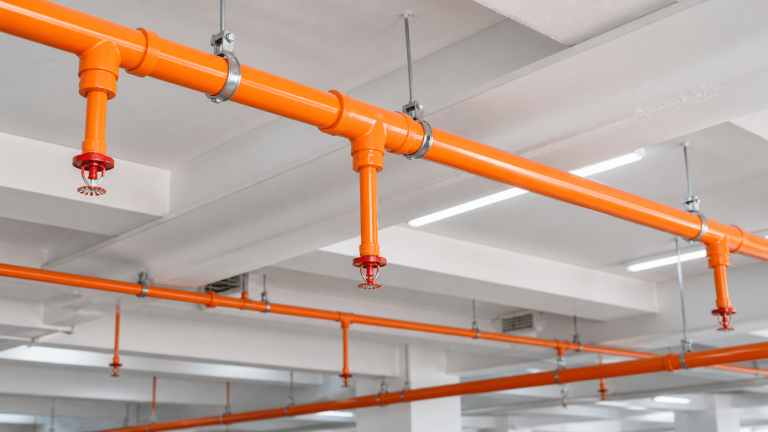
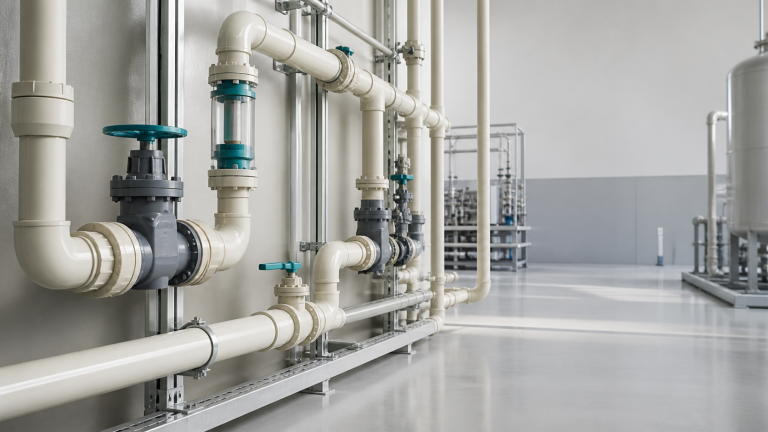
CPVC wird häufig in Rohrleitungssystemen in rauen Umgebungen eingesetzt. Zum Beispiel für Warmwasserversorgungsrohre und -fittings, die eine hohe Temperaturbeständigkeit erfordern, sowie für Brandschutzrohre und -fittings, die eine hohe Flammwidrigkeit und Wärmebeständigkeit erfordern. Darüber hinaus kann es auch in industriellen Anwendungen eingesetzt werden, bei denen chemische Beständigkeit erforderlich ist.
Nennen Sie uns Ihre Anwendung und die Zielqualität. XUYE hilft Ihnen bei der Bestimmung des nächsten praktischen Schritts.
Diese Website verwendet Cookies, um Ihre Erfahrung zu verbessern, während Sie durch die Website navigieren. Von diesen werden die als notwendig kategorisierten Cookies in Ihrem Browser gespeichert, da sie für das Funktionieren der grundlegenden Funktionen der Website unerlässlich sind.
Wir verwenden auch Cookies von Drittanbietern, die uns helfen zu analysieren und zu verstehen, wie Sie diese Website nutzen. Diese Cookies werden nur mit Ihrer Zustimmung in Ihrem Browser gespeichert. Sie haben auch die Möglichkeit, diese Cookies abzulehnen. Das Deaktivieren einiger dieser Cookies kann sich jedoch auf Ihr Browser-Erlebnis auswirken.