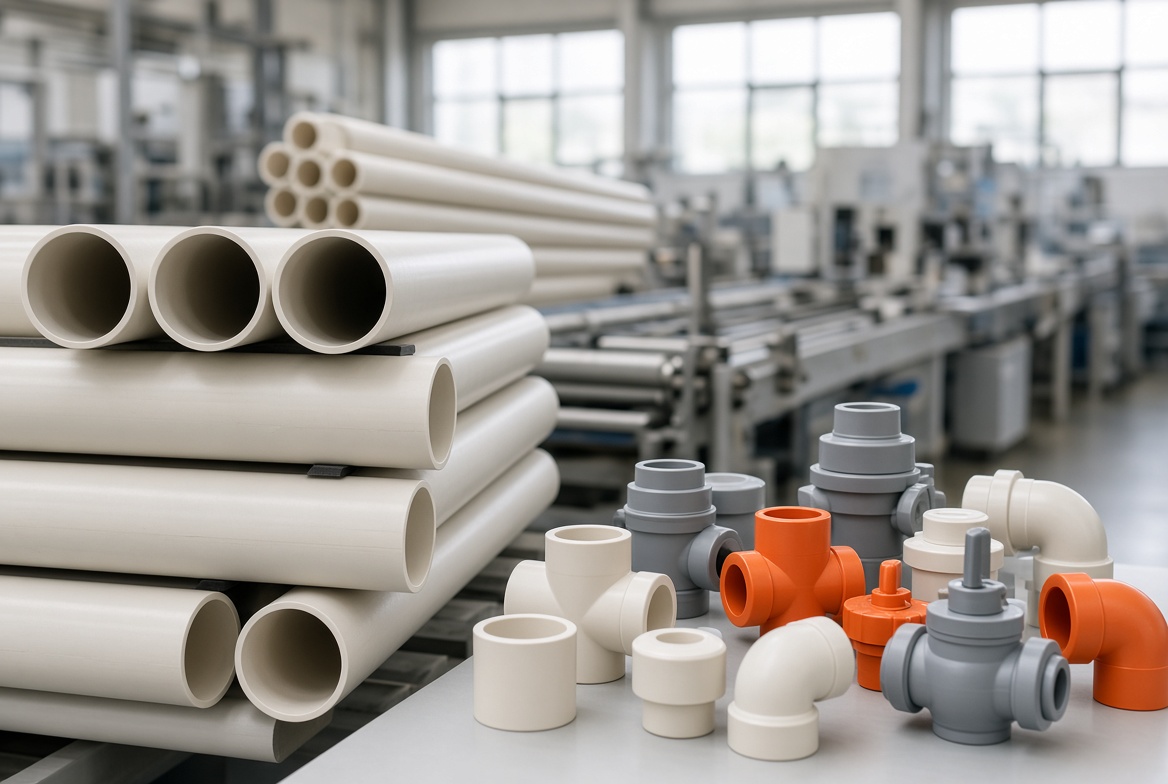

Perfis de PVC rígido servem como componentes estruturais fundamentais em caixilhos de janelas, sistemas de portas e revestimentos externos modernos. Apesar de sua alta resistência à tração e corpo rígido, as matrizes de PVC não modificadas sofrem de sensibilidade ao entalhe e tendem a estilhaçar sob baixas temperaturas. Sem modificação secundária, esses materiais correm o risco de rachar durante a fabricação em alta velocidade, transporte ou instalação em invernos rigorosos.
Para eliminar esses pontos de falha estrutural, os formuladores de plásticos contam com modificadores de impacto especializados. O Polietileno Clorado, comumente conhecido como CPE 135A, estabeleceu-se como o principal aditivo de tenacidade para linhas de extrusão de perfis. Entender como a modificação com CPE funciona, como ele interage com aditivos essenciais e como controlar sua janela de processamento permite que os extrusores maximizem a durabilidade física enquanto mantêm os custos de matéria-prima sob controle.
Tendo esclarecido os principais desafios físicos do PVC rígido, podemos analisar as características exatas do polímero que tornam o CPE um agente modificador tão eficaz.
O que torna o CPE um modificador de impacto essencial para PVC rígido?
Equilíbrio do teor de cloro
O desempenho do CPE depende fortemente do seu teor de cloro, que normalmente situa-se em 35% em peso em graus de extrusão padrão. Este nível específico de cloração cria um equilíbrio ideal entre compatibilidade química e elasticidade emborrachada:
- Abaixo de 30% de teor de cloro, o polímero apresenta baixa compatibilidade com a matriz de PVC, levando a uma clara separação de fases e defeitos superficiais.
- Acima de 40% de teor de cloro, a temperatura de transição vítrea aumenta significativamente, fazendo com que o material perca sua tenacidade emborrachada em baixas temperaturas.
- O nível ideal de 35% de cloro reduz a temperatura de transição vítrea para aproximadamente 30 graus Celsius negativos, mantendo afinidade química suficiente para aderir firmemente às cadeias de PVC.
Mecanismo de microestrutura
Ao contrário dos modificadores de impacto acrílicos que mantêm estruturas fixas de núcleo-casca, o CPE forma uma rede protetora contínua por toda a matriz. Durante a extrusão sob alto cisalhamento, as partículas de CPE derretem e se esticam sob calor e estresse mecânico, envolvendo os grãos primários de PVC. Quando um impacto atinge o perfil, essa rede flexível absorve a energia cinética e impede que microfissuras cresçam antes que ocorra a fratura estrutural completa.
Principais vantagens físicas
- Mantém alta resistência ao impacto Charpy em temperaturas abaixo de zero, até 30 graus Celsius negativos.
- Demonstra excelente resistência às intempéries externas e aos raios UV devido à ausência de ligações duplas em sua estrutura química.
- Fornece retardância à chama integrada e propriedades autoextinguíveis graças ao seu alto teor de cloro.
Com essas propriedades básicas do material estabelecidas, vejamos como o CPE altera o comportamento real de processamento e o desempenho físico no chão de fábrica.
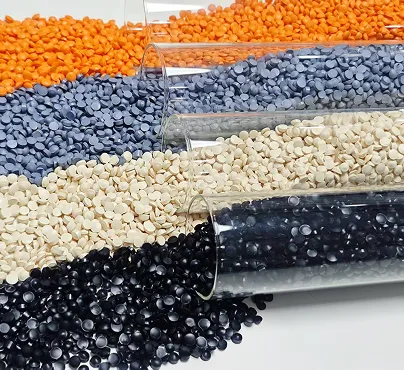
Como o CPE modifica o processamento e o desempenho mecânico em perfis de PVC
Resistência ao impacto vs. Propriedades de tração
Adicionar CPE a uma formulação de PVC rígido requer um equilíbrio calculado entre tenacidade e rigidez estrutural. Os formuladores ajustam a carga do aditivo entre 8 e 11 partes por cem de resina para obter um desempenho mecânico equilibrado sem tornar o perfil excessivamente macio:
| Nível de carga de CPE | Resistência ao impacto Charpy | Resistência à tração | Módulo de flexão | Comportamento térmico de processamento |
| 0 phr (Não modificado) | Linha de base baixa | Máximo | Máximo | Linha de base |
| 5 a 7 phr | Aumento moderado | Redução mínima | Ligeira diminuição | Estável |
| 8 a 11 phr (Ideal) | Tenacidade máxima | Faixa aceitável | Integridade mantida | Fusão equilibrada |
| Acima de 13 phr | Retornos decrescentes | Queda Significativa | Estrutura Amolecida | Maior Viscosidade de Fusão |
Comportamento Térmico e de Fusão
O CPE funciona como um auxiliar de processamento prático ao modificar o comportamento da fusão dentro do cilindro da extrusora. Ele acelera a fusão do PVC ao aumentar o atrito interno nas zonas iniciais de aquecimento. Em temperaturas de processamento padrão entre 175 e 195 graus Celsius, o CPE fundido aumenta a coesão e a elasticidade da fusão. Isso evita a fratura da fusão e mantém uma espessura de parede uniforme em seções transversais complexas de perfis ocos sob alta pressão de extrusão.
Sinergia com Aditivos
O desempenho do CPE depende fortemente de quão bem ele interage com outros ingredientes do composto. Ele funciona de forma confiável ao lado de estabilizantes térmicos modernos de Cálcio-Zinco e organoestânicos sem causar degradação. No entanto, requer um pacote de lubrificação externa equilibrado. O excesso de cera de parafina pode causar deslizamento superficial, o que impede a dispersão completa do CPE e deixa pontos fracos no perfil acabado.
Além das aplicações de perfil padrão, fabricantes que trabalham com perfis industriais e de tubulação exigentes frequentemente dependem de Polímeros Clorados para alcançar maior resistência térmica e resistência à chama.
Agora que entendemos essas interações de processamento, vamos comparar o CPE diretamente com alternativas de modificação disponíveis no mercado.
Comparando CPE vs. Modificadores de Impacto ACR para Extrusão de Perfis
A escolha entre Polietileno Clorado (CPE) e Modificadores de Impacto Acrílicos (ACR) resume-se a equilibrar as demandas climáticas regionais com os custos gerais de fabricação:
- Diferenças de Desempenho e Aplicação: O grau padrão CPE oferece tenacidade superior a baixas temperaturas em níveis abaixo de zero, tornando-o ideal para climas frios. Em contraste, os modificadores acrílicos destacam-se principalmente na velocidade inicial de fusão e no brilho superficial para linhas de perfis premium. Ambos os materiais apresentam desempenho confiável durante longas vidas úteis em serviços externos.
- Vantagem Econômica e Janela de Processamento: De uma perspectiva econômica, o CPE oferece uma clara vantagem de custo para a produção de perfis padrão em comparação com as opções acrílicas de preço mais elevado. O CPE também mantém uma janela de processamento mais ampla, proporcionando maior tolerância contra pequenas flutuações de temperatura na linha de produção.
- Necessidades Especializadas de Alta Temperatura: Para ambientes industriais extremos onde os perfis devem suportar exposição química combinada e altas temperaturas, os engenheiros frequentemente substituem o PVC padrão por sistemas resina de CPVC especializados em vez de depender apenas de modificadores de impacto.
Embora selecionar o material certo seja vital, evitar defeitos de produção no mundo real durante a extrusão real permanece igualmente crítico para manter a qualidade.
Solução de Problemas na Adição de CPE em Extrusão de PVC Rígido: Riscos de Qualidade e Prevenção
A Armadilha da “Sub-fusão”
A gelificação incompleta é a principal razão pela qual os perfis falham nos testes de impacto de fábrica. Quando as temperaturas do cilindro ou as forças de cisalhamento do parafuso caem muito, as partículas de CPE não conseguem fundir e fluir ao redor dos grãos de PVC. Em vez de formar uma rede protetora contínua, o CPE permanece preso como aglomerados isolados que atuam como pontos de concentração de tensão sob carga mecânica.
Sobrecarga de Carga (CaCO3)
Adicionar muito carbonato de cálcio para reduzir custos interrompe a rede protetora de CPE. Cargas pesadas de enchimento absorvem a energia de cisalhamento mecânico durante a mistura e bloqueiam fisicamente a dispersão do CPE:
- Aumente a dosagem de CPE em 0,5 partes por cem de resina para cada 3 partes adicionais de carbonato de cálcio.
- Use graus de carga com tratamento de superfície para manter a compatibilidade adequada do composto.
- Monitore o torque de fusão de perto para garantir a plastificação completa dentro do cilindro.
Controle de Voláteis e Defeitos Superficiais
O excesso de umidade ou voláteis residuais nas matérias-primas causa sérios defeitos superficiais em temperaturas de processamento acima de 180 graus Celsius. Esses voláteis vaporizam dentro do cilindro, formando microvazios, estrias prateadas na superfície e resíduos na matriz. Manter o conteúdo volátil abaixo de 0,3 por cento e armazenar as matérias-primas em armazéns secos evita essas falhas superficiais.
Em projetos de extrusão altamente exigentes, onde a mistura complexa de aditivos cria riscos de qualidade no local, o processamento de COMPOSTO DE CPVC pré-equilibrado oferece uma alternativa confiável para garantir um desempenho consistente do material.
Perguntas Frequentes (FAQ)
Quais fatores impulsionam principalmente o preço de mercado e o custo de aquisição das resinas CPE?
O preço da resina CPE é impulsionado pelos custos subjacentes das matérias-primas etileno e cloro, pelo consumo de energia durante a cloração em suspensão aquosa e por métricas de qualidade como conteúdo volátil e uniformidade de cloração. Para obter preços precisos e cotações de volume personalizadas com base nos requisitos específicos da sua formulação de perfil, entre em contato diretamente com a equipe de engenharia da Shandong Xuye New Materials através do portal oficial.
Qual erro comum de seleção de material ocorre ao substituir ACR por CPE em formulações de perfil?
Um erro frequente é manter o pacote de lubrificantes idêntico ao trocar ACR por CPE. Como o CPE aumenta o atrito interno e a viscosidade de fusão de forma diferente dos acrílicos, não reduzir a lubrificação interna pode atrasar a gelificação, levando a uma baixa resistência ao impacto e propriedades mecânicas reduzidas.
Qual é a vida útil esperada de perfis de janela de PVC rígido modificados com CPE sob condições externas severas?
Perfis de PVC rígido de alta qualidade modificados com CPE devidamente disperso normalmente oferecem uma vida útil superior a 30 anos. A ausência de ligações duplas na cadeia principal do polímero CPE proporciona resistência durável à radiação ultravioleta, umidade e poluentes atmosféricos sem se tornar quebradiço com o tempo.
Como a temperatura de armazenamento inadequada impacta a vida útil e a qualidade utilizável do pó de CPE?
O armazenamento de pó de CPE em armazéns com temperatura superior a 35 graus Celsius sob empilhamento pesado de sacos causa aglomeração ou empedramento das partículas. Embora o empedramento não destrua a estrutura química, os grumos duros resistem à dispersão uniforme durante a mistura a seco em alta velocidade, criando pontos fracos localizados no perfil extrudado final.
Conclusão
O Polietileno Clorado continua sendo um modificador de impacto altamente prático para a fabricação de perfis de PVC rígido, proporcionando tenacidade a baixas temperaturas, resistência às intempéries e estabilidade de processamento confiáveis. Alcançar esses padrões de desempenho requer um controle preciso sobre os parâmetros de cloração, proporções equilibradas de lubrificante para carga e temperaturas de extrusão adequadas para garantir a fusão completa da rede.
Para aplicações avançadas de extrusão de perfis que exigem maior resistência ao calor, resistência química e controle de qualidade rigoroso, a parceria com produtores de polímeros experientes garante resultados de fabricação previsíveis. Entre em contato com nossa equipe de engenharia técnica hoje para discutir suas necessidades específicas de formulação de perfil, solicitar amostras de produtos ou explorar soluções de resina personalizadas para sua linha de produção.