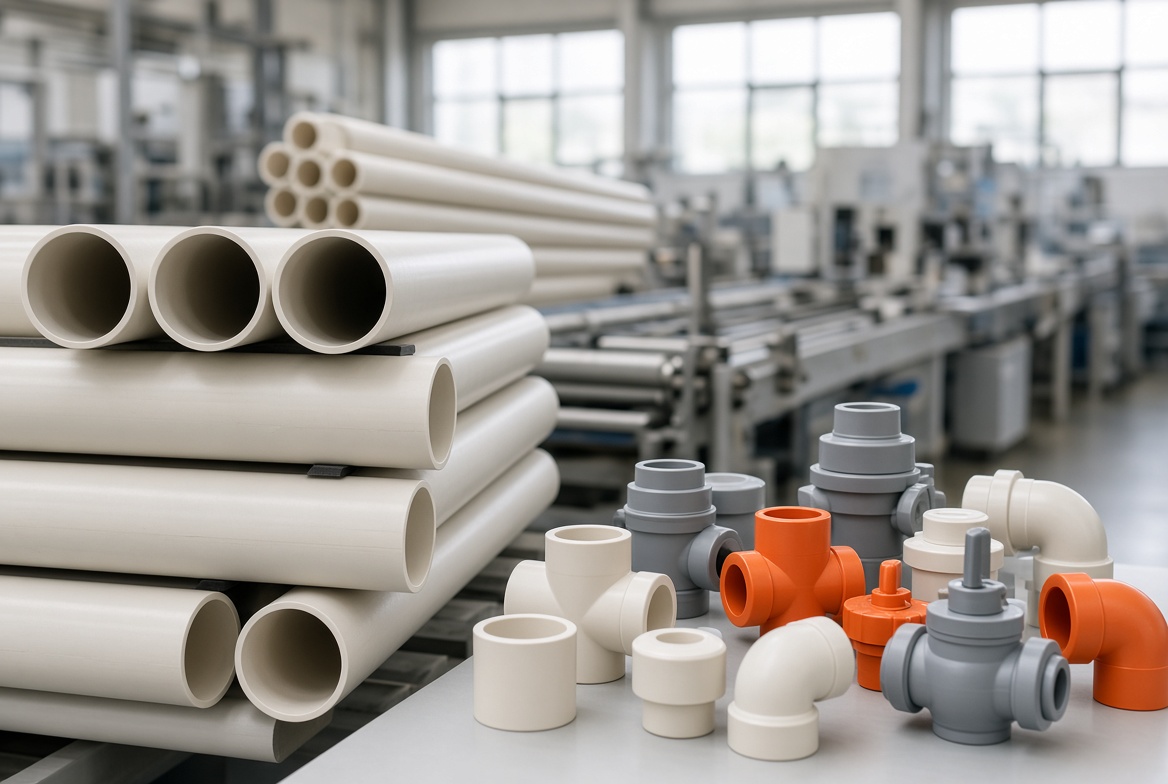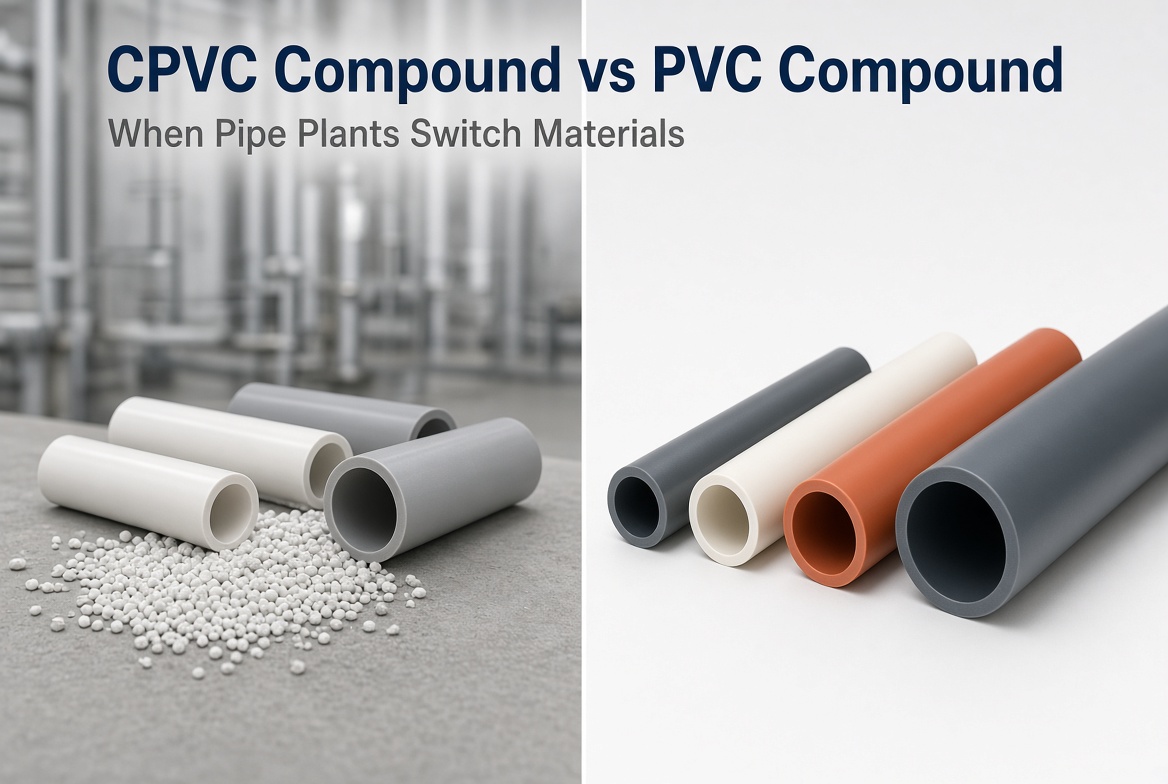
Selecionar a resina de resina de CPVC é uma das decisões mais importantes que um fabricante de tubos ou conexões pode tomar. Mesmo com linhas de extrusão avançadas, máquinas de moldagem por injeção de precisão e um controle de qualidade rigoroso, o desempenho do produto final depende fortemente da qualidade e das características da matéria-prima.
Para fabricantes que produzem tubos de água quente e fria, sistemas de tubulação industrial, componentes de sprinklers contra incêndio ou conexões resistentes a produtos químicos, a resina de CPVC é muito mais do que uma commodity. Diferentes graus oferecem comportamentos de processamento, propriedades mecânicas e desempenho a longo prazo distintos. Escolher a resina errada pode levar a uma produção instável, maiores taxas de refugo, qualidade de produto inconsistente e aumento dos custos de fabricação.
Este guia descreve os principais fatores que os fabricantes devem considerar antes de comprar resina de CPVC, ajudando os compradores a selecionar materiais que melhorem tanto a eficiência da produção quanto a confiabilidade do produto.
Comece com seus requisitos de produção, não com o preço
Muitos compradores começam a comparar fornecedores olhando o preço por tonelada, mas essa abordagem muitas vezes ignora o panorama geral. A primeira pergunta deve ser sempre: quais produtos você está fabricando e qual desempenho eles precisam alcançar?
Uma empresa que produz tubos de pressão para sistemas municipais de água terá requisitos de material diferentes de um fabricante especializado em conexões moldadas por injeção. Da mesma forma, produtos destinados ao transporte industrial de produtos químicos devem suportar condições operacionais mais severas do que aqueles usados em encanamentos residenciais. Entender seus próprios objetivos de produção torna muito mais fácil identificar o grau de resina mais adequado.
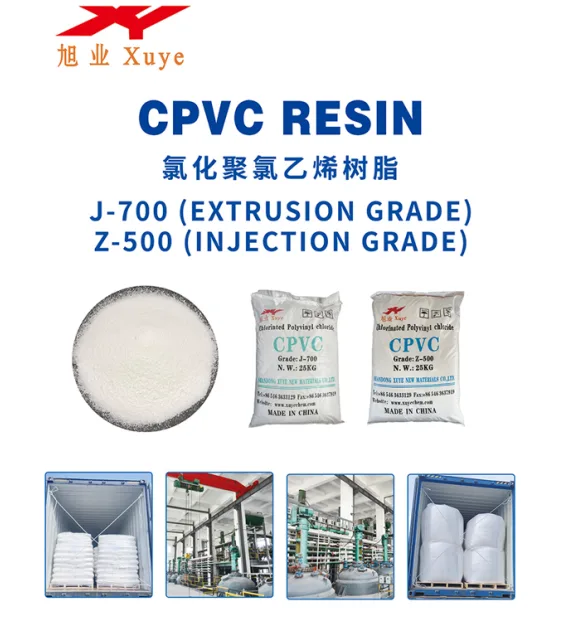
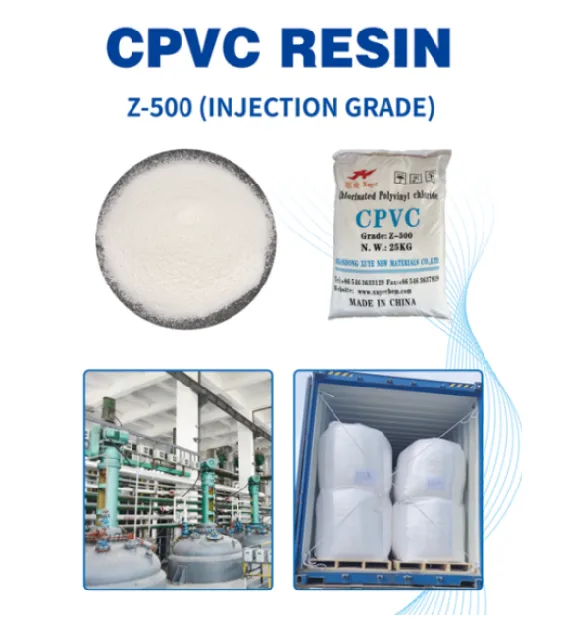
O método de processamento também desempenha um papel importante. A resina de CPVC de grau de extrusão é projetada para fornecer uma resistência de fusão estável, ajudando os fabricantes a produzir tubos com superfícies lisas, espessura de parede uniforme e dimensões consistentes. A resina de grau de injeção, por outro lado, enfatiza o fluxo de fusão e o desempenho de preenchimento do molde para garantir que as conexões possam ser produzidas de forma eficiente com alta precisão dimensional.
Os padrões regionais também devem influenciar sua decisão de compra. Se seus produtos são exportados para a América do Norte, Europa ou outros mercados internacionais, a resina deve apoiar a conformidade com os padrões relevantes e os requisitos de certificação. Comprar material que se alinhe ao seu mercado-alvo desde o início reduz o risco de reformulações dispendiosas ou atrasos na certificação posteriormente.
Embora uma resina de preço mais baixo possa parecer atraente, ela pode aumentar os custos gerais de produção se causar processamento instável, desperdício excessivo de material, velocidades de produção mais lentas ou limpeza frequente de equipamentos. Olhar além do preço de compra e considerar a eficiência total de fabricação geralmente oferece um melhor valor a longo prazo.
Avalie o desempenho técnico da resina
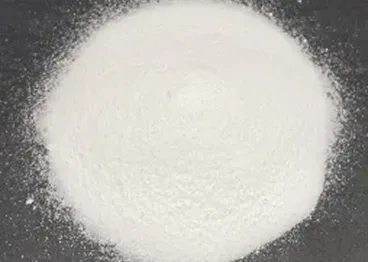
Depois de identificar a aplicação apropriada, o próximo passo é avaliar as características técnicas da própria resina. Essas propriedades determinam não apenas a facilidade com que o material pode ser processado, mas também como os tubos e conexões acabados se comportarão ao longo de sua vida útil.
Uma das primeiras especificações que os compradores devem revisar é o teor de cloro. A resina de CPVC geralmente contém entre 63% e 69% de cloro, conferindo-lhe uma resistência ao calor e resistência química significativamente melhores do que o PVC padrão. Um teor de cloro mais alto geralmente melhora o desempenho em altas temperaturas, mas também pode exigir ajustes nas condições de processamento e nas formulações de aditivos. O objetivo não é simplesmente escolher o nível de cloro mais alto, mas encontrar um equilíbrio que corresponda aos requisitos do seu produto.
O peso molecular é outro fator importante. Resinas de maior peso molecular geralmente proporcionam maior resistência ao impacto, melhor resistência à pressão e maior durabilidade a longo prazo, tornando-as adequadas para aplicações exigentes de tubulação. Graus de menor peso molecular tendem a oferecer um processamento mais fácil e melhores características de fluxo, o que pode ser vantajoso para conexões complexas moldadas por injeção. Combinar o peso molecular com seu processo de fabricação ajuda a melhorar tanto a produtividade quanto o desempenho do produto.
A estabilidade térmica é igualmente crítica. O CPVC deve ser processado dentro de uma faixa de temperatura controlada, e a resina com baixa estabilidade térmica pode descolorir, degradar ou desenvolver defeitos superficiais durante a produção. Uma resina estável permite que os fabricantes mantenham condições de processamento consistentes, reduzam o refugo e produzam produtos com propriedades mecânicas confiáveis.
Outro aspecto que muitas vezes é negligenciado é a compatibilidade com sua formulação existente. Cada fabricante usa uma combinação diferente de estabilizadores, lubrificantes, auxiliares de processamento, pigmentos e modificadores de impacto. Mesmo que duas resinas tenham especificações semelhantes no papel, elas podem se comportar de maneira diferente quando misturadas à sua formulação. Realizar testes de compatibilidade antes de compras em grande escala ajuda a evitar ajustes de produção desnecessários.
Finalmente, preste muita atenção à consistência do lote. O tamanho de partícula, as características moleculares e o comportamento de processamento consistentes permitem que as linhas de produção operem de forma mais suave, com menos alterações de parâmetros. A consistência confiável entre lotes também melhora a precisão dimensional, a uniformidade da cor e a qualidade geral do produto.
Escolhendo um fornecedor que apoie o sucesso da fabricação a longo prazo
Comprar resina de CPVC de alta qualidade é apenas parte da equação. Igualmente importante é selecionar um fornecedor que possa oferecer serviço confiável, fornecimento estável e suporte técnico contínuo.
Um fornecedor profissional deve ser capaz de fornecer documentação técnica completa, incluindo Fichas de Dados Técnicos (TDS), Fichas de Dados de Segurança (SDS), Certificados de Análise (COA) e certificações de qualidade relevantes. Esses documentos ajudam os fabricantes a verificar as propriedades do material e simplificar a certificação do produto a jusante.
O suporte técnico é outra vantagem valiosa. Esteja você introduzindo um novo produto, otimizando uma formulação existente ou solucionando problemas de processamento, um fornecedor experiente muitas vezes pode ajudar a identificar soluções práticas mais rapidamente do que apenas por meio de testes de tentativa e erro. Esse tipo de colaboração torna-se especialmente valioso à medida que os volumes de produção aumentam ou novas oportunidades de mercado surgem.
A estabilidade do fornecimento é igualmente importante. Interrupções na produção causadas por atrasos nas entregas de matéria-prima podem ter consequências financeiras significativas, particularmente para fabricantes que operam linhas de produção contínuas. Antes de estabelecer uma parceria de longo prazo, os compradores devem avaliar a capacidade de fabricação, a gestão de estoque, a experiência em exportação e o desempenho de entrega do fornecedor. Uma cadeia de suprimentos confiável permite que os fabricantes planejem a produção com mais confiança e respondam de forma mais eficaz à demanda do cliente.
Mesmo após selecionar um fornecedor promissor, é sensato começar com testes de produção em vez de se comprometer imediatamente com compras de grande volume. Executar a resina em seu próprio equipamento permite avaliar o desempenho de extrusão ou injeção, a estabilidade do processamento, a qualidade do produto acabado e a compatibilidade geral sob condições reais de fábrica. Os dados de laboratório fornecem orientações úteis, mas a produção real continua sendo a melhor maneira de validar a adequação de um material.
Tomando uma decisão de compra de resina de CPVC mais inteligente
Escolher a resina de CPVC nunca deve ser visto apenas como a compra de uma matéria-prima. É um investimento em eficiência de fabricação, qualidade do produto e satisfação do cliente. A resina certa pode reduzir o tempo de inatividade da produção, melhorar a estabilidade do processo, minimizar o desperdício e ajudar os fabricantes a produzir consistentemente tubos e conexões que atendam aos exigentes padrões da indústria.
Em vez de focar apenas no preço, os fabricantes de sucesso avaliam o desempenho da resina de uma perspectiva mais ampla. Eles consideram as características de processamento, propriedades mecânicas, consistência de qualidade, confiabilidade do fornecedor, suporte técnico e segurança de fornecimento a longo prazo antes de tomar uma decisão de compra. Essa abordagem abrangente não apenas reduz o custo total de produção, mas também fortalece a competitividade em mercados globais cada vez mais exigentes.
À medida que a demanda por sistemas de tubulação duráveis e de alto desempenho continua a crescer, os fabricantes que estabelecem parcerias com fornecedores confiáveis de resina de CPVC estarão melhor posicionados para oferecer qualidade consistente, expandir para novos mercados e construir uma confiança duradoura com o cliente.
Perguntas frequentes
A mesma resina de CPVC é adequada tanto para tubos quanto para conexões?
Nem sempre. A extrusão de tubos e a moldagem por injeção de conexões exigem características de processamento diferentes, portanto, os fabricantes normalmente escolhem graus de resina desenvolvidos especificamente para cada método de produção.
Quais documentos um fornecedor de resina de CPVC deve fornecer?
Um fornecedor confiável deve fornecer uma Ficha de Dados Técnicos (TDS), Ficha de Dados de Segurança (SDS), Certificado de Análise (COA) e quaisquer certificações de qualidade ou regulatórias aplicáveis.
Por que a consistência do lote é tão importante?
A qualidade consistente da resina ajuda a manter condições de processamento estáveis, reduz o refugo, melhora a precisão dimensional e garante que os produtos acabados tenham um desempenho consistente ao longo do tempo.
Os fabricantes devem sempre escolher a resina de menor preço?
Não necessariamente. A resina de preço mais baixo pode aumentar os custos gerais de produção se causar instabilidade no processamento, velocidades de produção mais lentas ou maiores taxas de defeitos. Avaliar o custo total de fabricação geralmente leva a uma melhor decisão de compra.
O teste de amostra é necessário antes de fazer um pedido grande?
Sim. Os testes de produção permitem que os fabricantes verifiquem o desempenho do processamento, a compatibilidade da formulação e a qualidade do produto acabado sob condições reais de fabricação antes de se comprometerem com contratos de fornecimento de longo prazo.