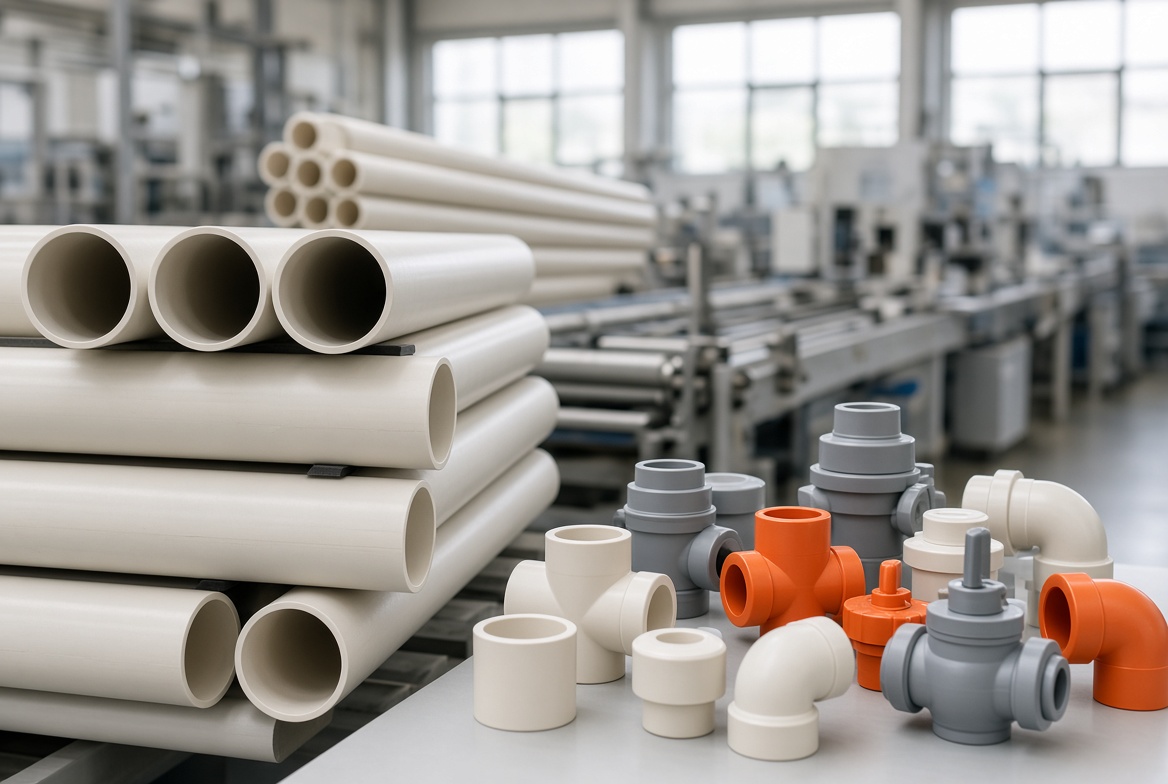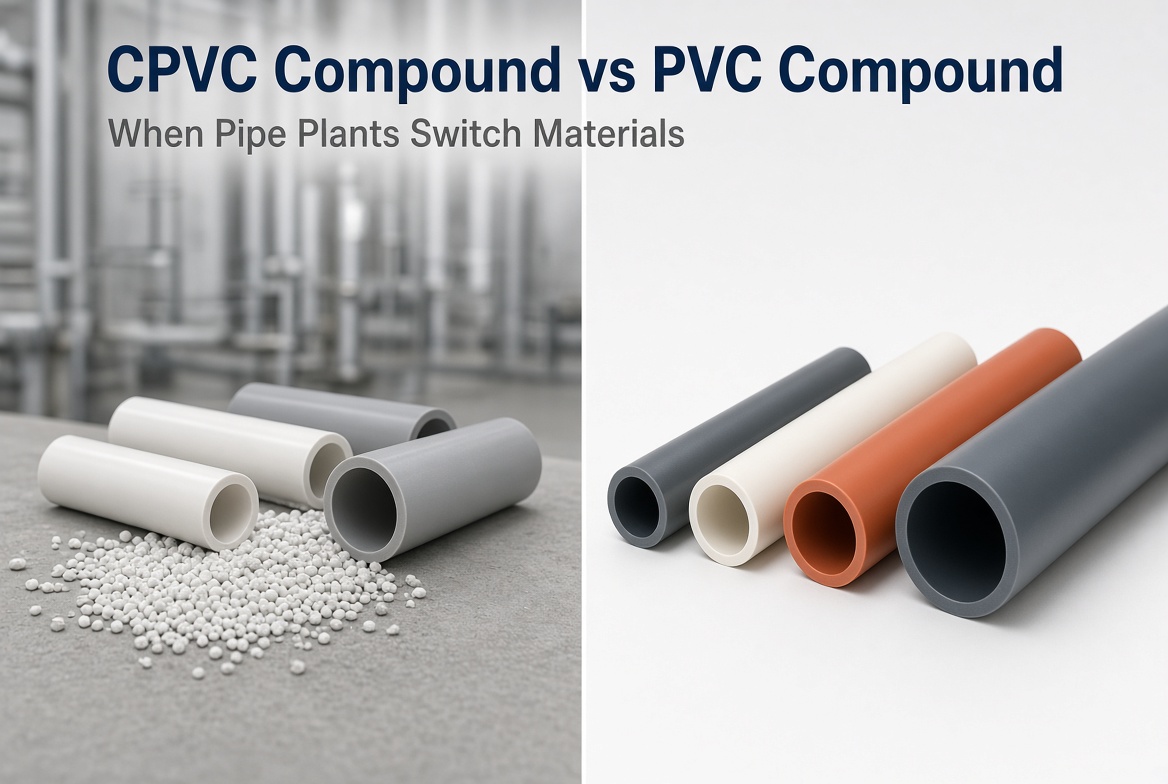
PVC(Polyvinyl Chloride)와 CPVC(Chlorinated Polyvinyl Chloride)는 전 세계 배관 시스템에서 가장 널리 사용되는 두 가지 재료입니다. 이들은 외관이 비슷하고 적용 분야가 겹치는 경우가 많아 혼동하기 쉽습니다. 그러나 두 재료의 특성은 동일하지 않으며, 잘못된 재료를 사용할 경우 시스템 성능과 안전에 영향을 줄 수 있습니다. 이 기사에서는 CPVC와 PVC의 구성, 성능, 설치 방법, 적용 분야 및 비용을 다루며 주요 차이점을 설명하여 올바른 선택을 하실 수 있도록 돕고자 합니다.
화학적 구성
첫 번째 핵심 차이점은 화학적 구성에 있습니다. PVC는 탄소, 수소, 염소로 구성된 폴리머입니다. 반면 CPVC는 PVC를 염소화하여 생산되며, 이 과정에서 염소 함량이 증가합니다. 이러한 높은 염소 농도는 재료의 분자 구조를 변화시켜 CPVC 부식, 화학 물질 및 미생물 증식에 대한 저항력을 높입니다. 이것이 바로 PVC가 성능을 발휘하기 어려운 까다로운 환경에서 CPVC가 자주 선택되는 이유입니다.
내열성
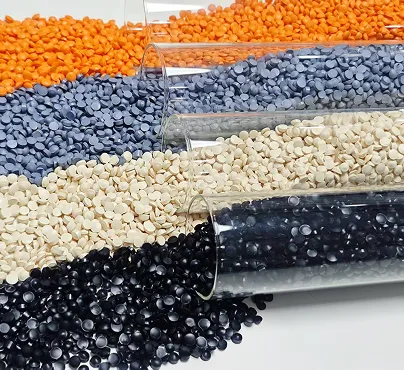
또 다른 주요 차이점은 온도 허용 범위입니다. PVC 파이프는 일반적으로 최대 140°F(60°C)의 온도를 견딜 수 있습니다. 이 온도를 넘어서면 PVC는 부드러워지고 강도를 잃게 됩니다. 염소 함량이 더 높은 CPVC는 최대 200°F(93°C)까지 훨씬 더 높은 온도를 견딜 수 있습니다. 이러한 이유로 CPVC는 온수 분배 시스템 및 내열성이 필수적인 산업용 애플리케이션에 널리 사용됩니다.
압력 및 강도
압력 등급과 강도를 비교할 때 CPVC가 일반적으로 더 우수한 성능을 보입니다. 예를 들어, PVC의 인장 강도는 약 7,500 PSI인 반면, CPVC는 약 8,200 PSI에 가깝습니다. 이러한 추가적인 강도는 CPVC가 응력 및 고온 조건에서 더 나은 성능을 유지함을 의미합니다. 두 재료 모두 Schedule 40 및 Schedule 80으로 제공되지만, CPVC는 더 높은 작동 압력과 열에 노출될 때 내구성을 더 효과적으로 유지합니다.
설치 및 접합
두 재료 모두 가볍고 설치가 쉽지만, 서로 다른 접합 방법이 필요합니다. PVC 파이프는 ASTM D2564 표준을 준수하는 솔벤트 시멘트를 사용해야 하며, CPVC 파이프는 ASTM F493 표준을 충족하는 솔벤트 시멘트가 필요합니다. 각 재료의 화학적 구성에 따라 안전한 접합을 보장하기 위한 특정 공식이 필요하므로 이러한 접착제는 서로 호환되지 않습니다. 설치자는 연결 실패를 방지하기 위해 항상 프라이머와 시멘트의 라벨을 확인하는 것이 중요합니다.
파이프 크기 및 외관
PVC와 CPVC는 크기와 색상으로도 구분할 수 있습니다. PVC 파이프는 NPS(공칭 파이프 크기)로만 측정되는 반면, CPVC는 NPS와 CTS(구리 튜브 크기) 모두로 제공되어 특정 시스템에서 더 넓은 호환성을 제공합니다. 외관상 PVC는 보통 흰색이나 짙은 회색인 반면, CPVC는 밝은 회색, 미색 또는 노란색인 경우가 많습니다. 이러한 차이점 덕분에 선택 및 설치 과정에서 두 재료를 더 쉽게 구분할 수 있습니다.
비용 고려 사항
비용 또한 의사 결정에 영향을 미치는 요소입니다. PVC는 일반적으로 더 저렴하며, Schedule 40 파이프의 경우 피트당 평균 약 $0.40입니다. 반면 CPVC는 더 비싸며, Schedule 40의 경우 피트당 평균 약 $2.50입니다. 더 높은 가격은 향상된 내열성과 강도를 반영합니다. 두 재료 중 하나를 선택할 때는 초기 비용과 장기적인 성능 요구 사항 사이에서 균형을 맞추는 것이 중요합니다.
일반적인 적용 분야
PVC와 CPVC는 모두 다재다능하며 많은 산업 분야에서 사용되지만, 성능 요구 사항에 따라 적용 분야가 다릅니다. PVC는 냉수 시스템, 배수, 관개 및 전기 도관에 가장 일반적으로 사용됩니다. 경제성 덕분에 일반 주거용 및 상업용 프로젝트에 이상적입니다. 반면 CPVC는 더 높은 내열성과 내화학성이 필수적인 온수 시스템, 화학 처리 라인 및 소방 스프링클러 시스템에 선호되는 선택입니다.
안전 및 특별 고려 사항
안전 또한 유념해야 할 점입니다. 두 재료 모두 가열하거나 절단할 때 유해 가스를 방출하므로 설치 시 적절한 환기와 보호 장비가 필요합니다. 식수 시스템의 경우, 안전한 식수를 보장하기 위해 ANSI/NSF 61 표준 인증을 받은 제품을 선택하는 것이 중요합니다. 또한, 실외 설치 시에는 파이프를 매립하거나 코팅하지 않으면 장기간의 태양 노출로 인해 PVC와 CPVC 모두 성능이 저하될 수 있으므로 자외선 차단이 필요합니다.
비교표
| 속성 | PVC | CPVC |
| 화학적 구성 | 표준 폴리염화비닐 | 염소화 폴리염화비닐 |
| 최대 온도 | 140°F (60°C) | 200°F (93°C) |
| 인장 강도 | ~7,500 PSI | ~8,200 PSI |
| 파이프 크기 | NPS 전용 | NPS 및 CTS |
| 색상 | 흰색, 짙은 회색 | 밝은 회색, 미색, 노란색 |
| 평균 비용 (피트당) | $0.40 (Schedule 40) | $2.50 (Schedule 40) |
| 일반적인 적용 분야 | 냉수, 배수, 관개, 도관 | 온수, 화학 시스템, 소방 스프링클러 |
결론
요약하자면, PVC와 CPVC는 비슷해 보일 수 있지만 성능 기능은 매우 다릅니다. PVC는 냉수, 저온 및 예산 친화적인 애플리케이션에 가장 적합하며, CPVC는 온수, 산업용 및 더 높은 내화학성이 요구되는 환경에 더 적합합니다. 각 재료의 고유한 특성을 이해함으로써 프로젝트에 적합한 재료를 선택하고 장기적인 신뢰성을 보장할 수 있습니다.
신뢰할 수 있는 업체를 찾고 계신다면 CPVC 공급업체, Xuye는 까다로운 요구 사항을 충족하도록 설계된 고품질 CPVC 제품을 제공합니다. 신뢰할 수 있는 성능과 전문적인 서비스를 바탕으로, Xuye는 귀하의 배관 프로젝트에 믿을 수 있는 솔루션을 지원합니다.