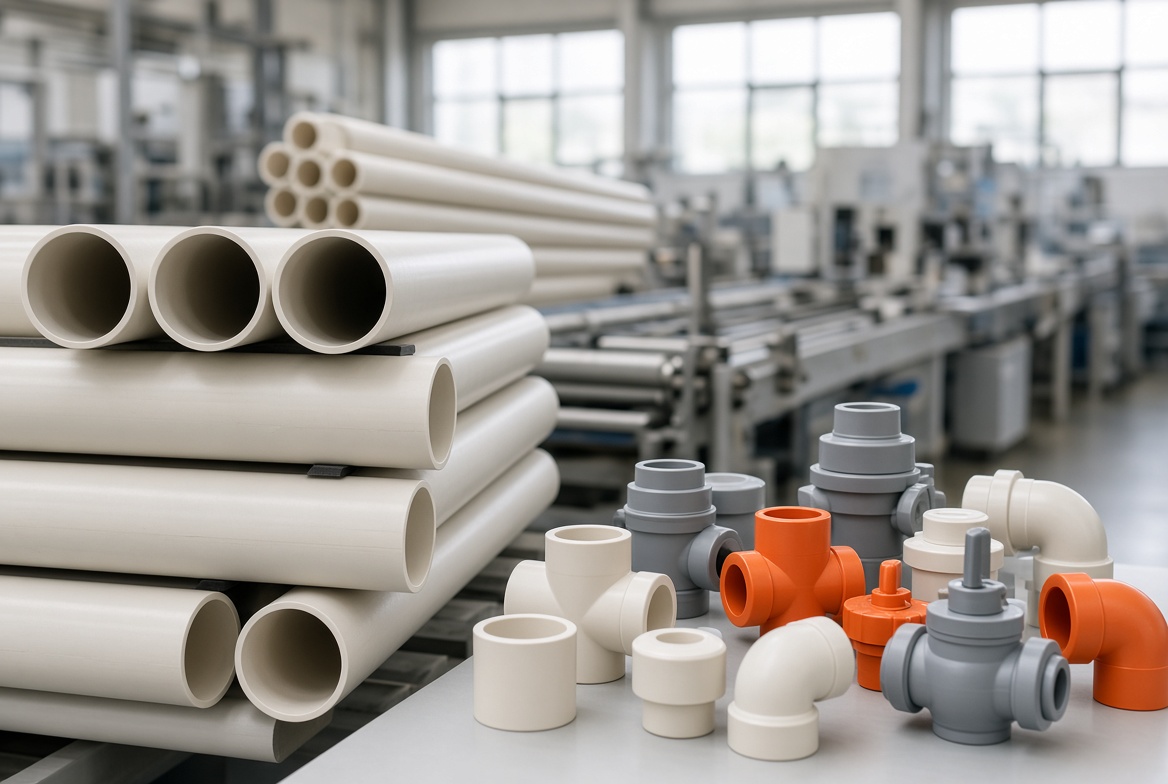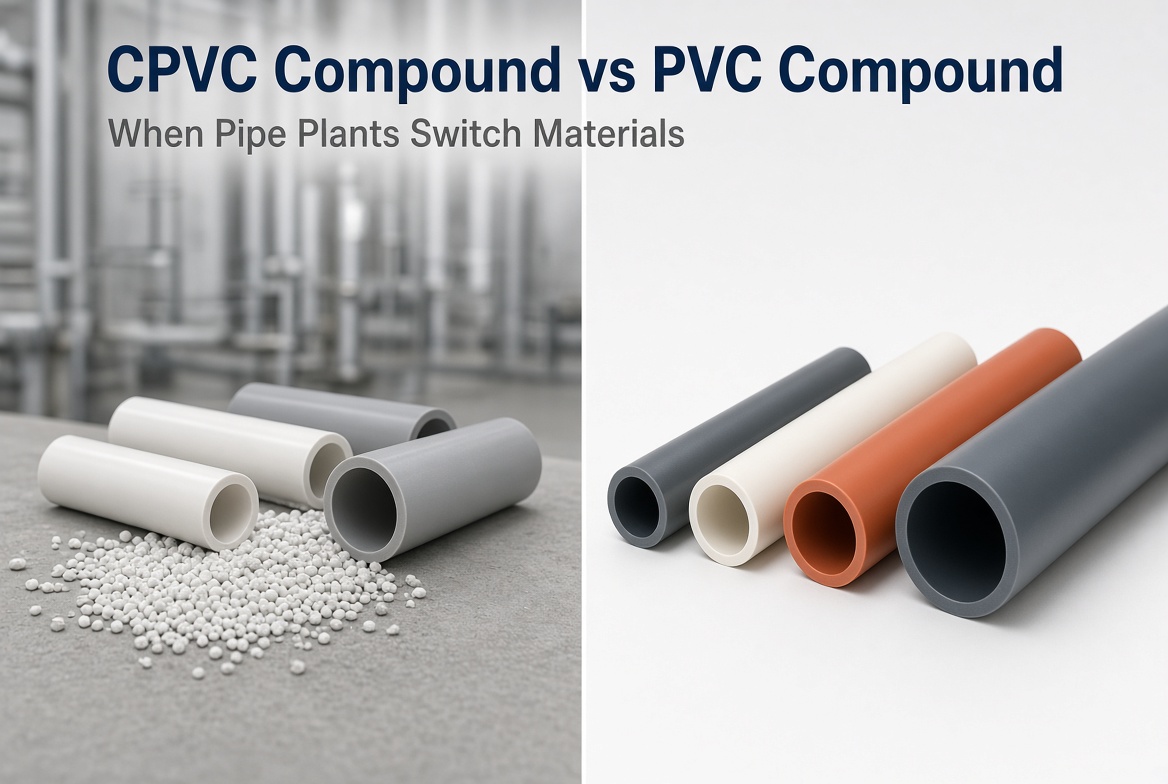
Lors du choix des matériaux de tuyauterie pour les bâtiments ou les systèmes industriels, il est important de sélectionner un matériau performant tant pour un usage quotidien que pour des environnements exigeants. C'est là que le CPVC devient un matériau largement utilisé et fiable. En tant que version chlorée du PVC, le CPVC offre une meilleure résistance à la chaleur, une durabilité chimique accrue et une stabilité mécanique à long terme. Grâce à ces avantages, le CPVC est devenu un choix standard dans plusieurs industries majeures. Pour mieux comprendre pourquoi il est si populaire, nous devons d'abord examiner les avantages clés qui définissent ses performances.
Pourquoi le CPVC se distingue dans les applications modernes
Avant de discuter des domaines d'utilisation principaux du CPVC, il est utile de comprendre ce qui le différencie des tuyaux en plastique ordinaires. Le CPVC possède une teneur en chlore plus élevée, ce qui augmente la force des liaisons C–Cl dans sa structure moléculaire. En conséquence, CPVC offre une excellente résistance à la corrosion, en particulier lorsqu'il est exposé aux acides, aux bases, à l'eau chaude et aux environnements riches en chlorures.
Cette combinaison de résistance à la température, de durabilité et de facilité d'installation rend le CPVC adapté à une large gamme de systèmes. Avec ces avantages matériels à l'esprit, l'application la plus courante et la plus importante du CPVC devient évidente.
Le CPVC dans les systèmes de plomberie d'eau chaude et froide
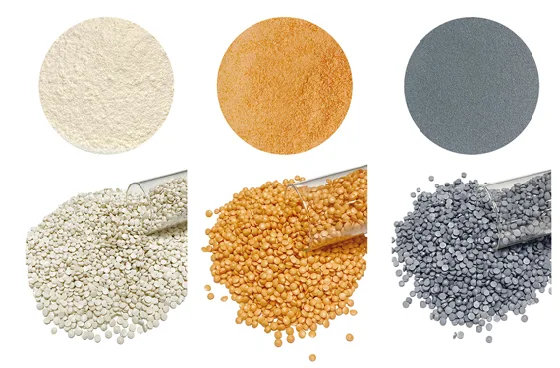
L'application principale du CPVC concerne les systèmes de plomberie d'eau chaude et froide pour les maisons, les appartements, les hôtels et les bâtiments commerciaux. En remplaçant les tuyaux métalliques traditionnels, de nombreux constructeurs choisissent le CPVC car il supporte des températures élevées sans perdre sa résistance. Il est approuvé pour une utilisation avec de l'eau chaude jusqu'à environ 90–100°C, ce qui couvre la plupart des besoins résidentiels et commerciaux légers.
De plus, le CPVC est naturellement résistant à la corrosion, à l'entartrage et au chlore présents dans les réseaux d'eau municipaux. Cela signifie qu'il reste propre et lisse à l'intérieur, contribuant à maintenir un bon débit d'eau sur de nombreuses années de service. Les systèmes de tuyauterie en CPVC sont également légers et faciles à assembler à l'aide de colle solvant, ce qui accélère l'installation et réduit les coûts de main-d'œuvre. Avec cette base solide dans la plomberie, l'utilisation du CPVC s'est étendue à des environnements industriels plus exigeants.
Le CPVC dans les systèmes de tuyauterie industrielle
Passant des installations de bâtiment classiques aux installations plus complexes, le CPVC est largement utilisé dans les systèmes de tuyauterie industrielle. De nombreux processus industriels nécessitent des matériaux capables de supporter des produits chimiques agressifs et des températures élevées, et c'est là que le CPVC excelle.
Dans des secteurs tels que le traitement chimique, la pâte et le papier, le textile et l'industrie pharmaceutique, le CPVC est utilisé pour transporter des acides, des alcalis, de la saumure, des solutions chlorées et d'autres fluides corrosifs. Contrairement aux tuyaux métalliques, le CPVC ne rouille pas et ne s'entartre pas lorsqu'il est exposé à des produits chimiques agressifs. Sa résistance à la chaleur permet également de l'utiliser dans l'eau de traitement chaude et les systèmes de nettoyage chimique. Grâce à ces avantages, le CPVC est devenu une alternative durable et rentable à l'acier inoxydable et aux autres tuyauteries métalliques dans les environnements corrosifs. Après avoir compris son usage industriel, il est également important d'examiner le rôle du CPVC dans les applications de traitement de l'eau.
Le CPVC dans le traitement de l'eau et le dessalement
Les usines de traitement de l'eau, en particulier les installations de dessalement, traitent souvent des niveaux élevés de sel et de chlorures. Le CPVC est parfaitement adapté à ces systèmes en raison de son excellente résistance aux ions chlorure. Il peut être utilisé pour le transport de l'eau de mer, le transfert de saumure, le dosage de produits chimiques et les lignes de traitement des eaux usées.
Alors que de nombreux métaux souffrent de fissuration par corrosion sous contrainte lorsqu'ils sont exposés aux chlorures à des températures élevées, le CPVC conserve une stabilité à long terme. Cela en fait un choix fiable pour les environnements où la résistance à la corrosion est essentielle pour la sécurité et la longévité du système. Avec cette performance solide dans les applications liées à l'eau, le CPVC est également couramment utilisé dans les systèmes de protection incendie.
Le CPVC dans les systèmes de sprinklers incendie
Une autre application importante du CPVC concerne les systèmes de sprinklers incendie. Les tuyaux et raccords pour sprinklers incendie en CPVC sont approuvés UL et FM pour une utilisation dans les bâtiments résidentiels et commerciaux légers. Leur haute résistance à la chaleur, leur faible émission de fumée et leur immunité à la corrosion en font une alternative plus sûre et plus fiable aux tuyaux métalliques dans de nombreux cas.
Les systèmes de sprinklers incendie en CPVC sont légers, faciles à installer et ne rouillent pas et ne se corrodent pas de l'intérieur. Cela aide à maintenir le débit d'eau et empêche l'accumulation de dépôts qui pourraient affecter les performances du système. Grâce à ces avantages, le CPVC continue de gagner en popularité dans les installations modernes de protection incendie. Au-delà de ces systèmes, le CPVC est également utilisé comme matière première dans des produits industriels spécialisés.
Le CPVC dans les revêtements, composés et matériaux spécialisés
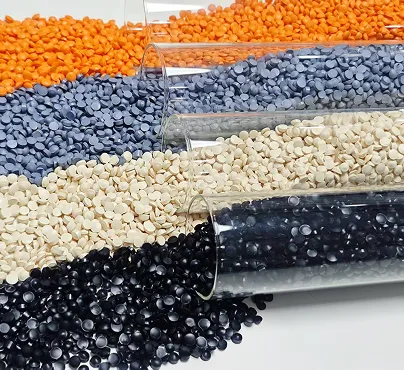
Au-delà de la tuyauterie, la résine CPVC est utilisée pour produire des revêtements résistants à la chaleur, des composés industriels et des composants en plastique spécialisés. Elle peut être formulée en revêtements haute performance pour la protection des métaux, moulée en raccords et vannes, ou utilisée dans des adhésifs et des mélanges de polymères spécialisés. Ces applications bénéficient de la résistance inhérente à la chaleur, de la stabilité chimique et de la durabilité à long terme du CPVC. Alors que les industries continuent d'exiger des matériaux avancés, la demande pour le CPVC reste forte.
Conclusion
En résumé, l'application principale du CPVC concerne les systèmes de plomberie d'eau chaude et froide, où sa résistance à la chaleur et à la corrosion assure une fiabilité à long terme. Au-delà de la plomberie, le CPVC joue également un rôle important dans la tuyauterie industrielle, le traitement de l'eau, le dessalement, les systèmes de sprinklers incendie et les produits industriels spécialisés. Sa structure chimique stable, sa durabilité et son efficacité d'installation font du CPVC un choix de confiance dans de multiples secteurs.
Si vous recherchez un fournisseur de CPVC, Xuye fournit des matériaux et des solutions en CPVC de haute qualité adaptés aux besoins commerciaux et industriels. Contactez Xuye dès aujourd'hui pour obtenir un soutien expert pour votre prochain projet.