Introduction : Le défi de la résistance aux chocs dans les plastiques extérieurs
Lorsqu'on examine les produits en plastique destinés à l'extérieur, la durabilité est toujours une préoccupation majeure. Les matériaux sont exposés au soleil, aux changements de température et aux impacts physiques sur de longues périodes. Dans ces conditions, les formulations standard de PVC deviennent souvent cassantes et peuvent se fissurer ou se dégrader. En raison de cette limite, l'amélioration de la résistance aux chocs devient une étape essentielle dans la conception des matériaux. C'est là que les modificateurs de choc jouent un rôle crucial pour améliorer à la fois la ténacité et la fiabilité à long terme.
Comprendre le matériau CPE et son rôle dans le PVC
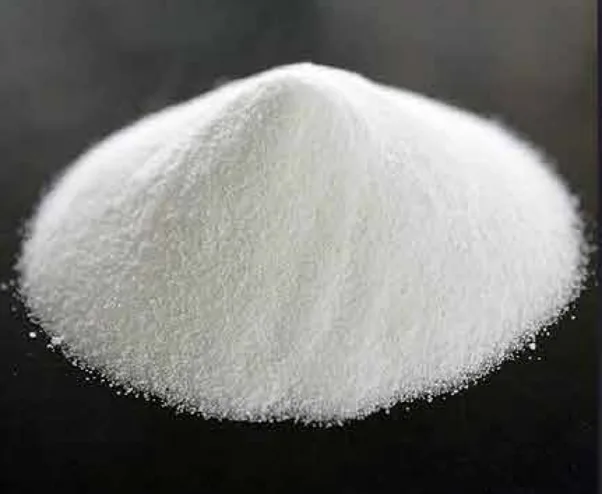
Lorsqu'on parle de modificateurs de choc efficaces, CPE le matériau s'impose comme une option largement utilisée dans l'industrie des plastiques. Le CPE, ou polyéthylène chloré, est produit en modifiant le polyéthylène haute densité par chloration. Ce processus confère au matériau une structure flexible et caoutchouteuse tout en maintenant une bonne stabilité chimique. En conséquence, le CPE peut bien se mélanger au PVC et améliorer considérablement ses performances mécaniques sans causer de problèmes de transformation majeurs.
Comment le CPE améliore la résistance aux chocs
Lorsqu'on examine le mécanisme de modification, le CPE agit en formant un réseau flexible au sein de la matrice PVC. Cette structure aide à absorber et à répartir les contraintes externes lorsque le matériau est soumis à un impact. Au lieu que des fissures se forment et se propagent rapidement, l'énergie est dissipée à travers la phase élastomère créée par le CPE. Grâce à ce comportement, les produits en PVC deviennent plus résistants à la rupture, en particulier dans les environnements extérieurs exigeants.
La ténacité à basse température comme avantage clé
Lorsqu'on considère les applications réelles, les performances à basse température sont souvent un facteur décisif. Le PVC standard a tendance à perdre sa flexibilité dans des conditions froides, ce qui le rend plus sujet à la fissuration. En revanche, le PVC modifié au CPE conserve une meilleure ténacité, même à basse température. Cela le rend parfaitement adapté aux applications telles que les conduits de câbles, les tuyaux extérieurs et les composants d'infrastructure utilisés dans les régions plus froides.
Équilibre coût-performance dans le choix des matériaux
Lorsqu'on compare différents modificateurs de choc, le coût est toujours une considération importante. Le CPE offre un avantage majeur dans ce domaine. Comparé aux modificateurs de choc acryliques tels que l'ACR, le CPE constitue généralement une solution plus économique tout en offrant des performances fiables. Cet équilibre entre coût et fonctionnalité est l'une des principales raisons pour lesquelles le CPE reste un choix courant dans la production de PVC à grande échelle.
Facteurs clés influençant les performances du CPE
Lors du choix du bon matériau CPE, plusieurs facteurs techniques doivent être pris en compte. La teneur en chlore est l'un des paramètres les plus importants, une teneur d'environ 35 % à 36 % offrant généralement la meilleure compatibilité avec le PVC. De plus, le dosage doit être soigneusement contrôlé, car une quantité trop faible n'apportera pas assez de ténacité, tandis qu'une quantité trop élevée pourrait réduire la résistance. Le poids moléculaire affecte également la transformation et les propriétés finales, nécessitant un équilibre entre fluidité et résistance aux chocs.
L'importance d'une bonne dispersion
Lorsqu'on se concentre sur la qualité de la transformation, la dispersion du CPE au sein de la matrice PVC est critique. Une distribution uniforme garantit des propriétés mécaniques constantes dans tout le matériau. Une mauvaise dispersion, en revanche, peut entraîner des points faibles et des défauts de surface. Par conséquent, un mélange approprié et un contrôle rigoureux de la transformation sont des étapes essentielles pour obtenir des performances de produit stables.
Comparaison du CPE avec d'autres modificateurs de choc
Lors de l'évaluation des alternatives, le CPE et l'ACR sont les deux choix les plus courants. L'ACR offre une excellente finition de surface et une bonne résistance aux intempéries, ce qui le rend adapté aux applications haut de gamme telles que les profilés de fenêtres. Cependant, il est plus coûteux. En revanche, le CPE offre une meilleure résistance aux chocs à basse température et des performances plus rentables. Pour de nombreuses applications industrielles où la résistance et la durabilité sont prioritaires, le CPE est souvent la solution la plus pratique.
Domaines d'application du PVC modifié au CPE
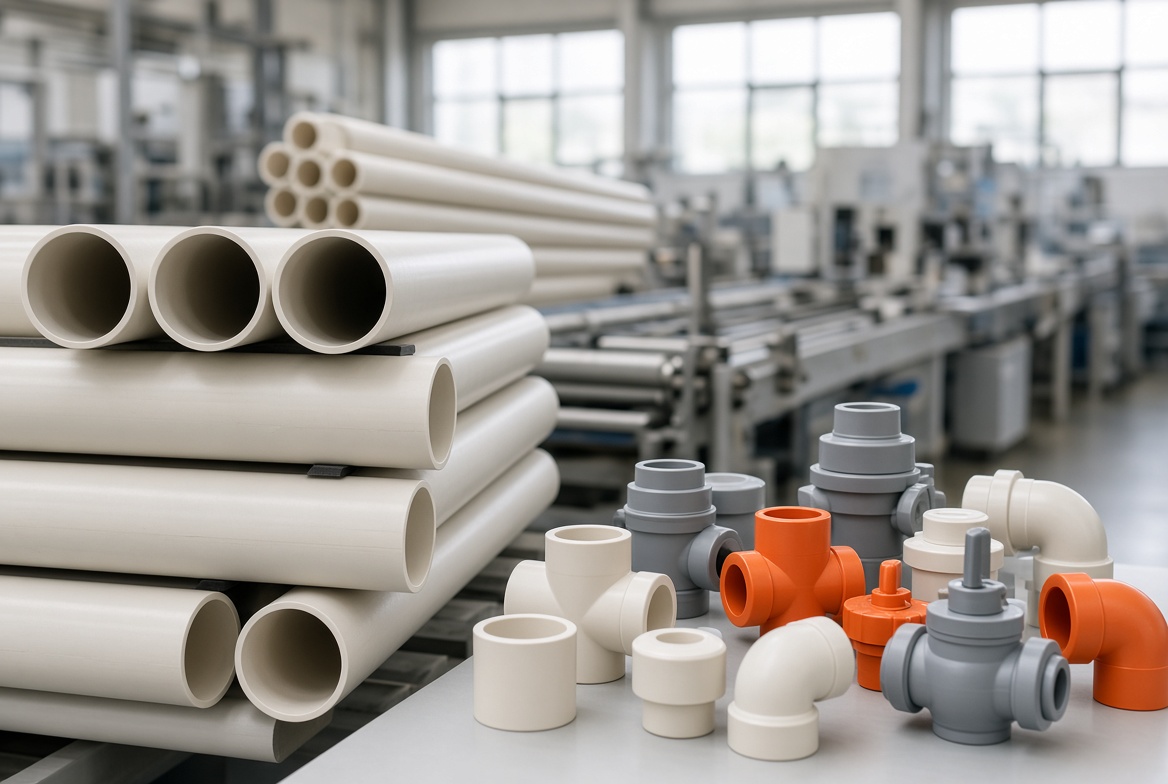
En observant l'utilisation industrielle, le PVC modifié au CPE est largement appliqué dans divers secteurs. Il s'agit notamment des tuyaux et raccords, des conduits électriques, des panneaux extérieurs et des matériaux de construction. Dans ces applications, la ténacité et la durabilité améliorées aident à prolonger la durée de vie et à réduire les besoins de maintenance. En raison de ses performances équilibrées, le CPE est particulièrement adapté aux produits qui exigent à la fois résistance et fiabilité.
Considérations pratiques sur la formulation
Lors du développement de formulations, les fabricants combinent souvent le CPE avec d'autres additifs pour optimiser les performances. Par exemple, les systèmes de stabilisation tels que les stabilisants calcium-zinc ou organostanniques doivent être compatibles avec le modificateur de choc. Dans certains cas, le CPE est également utilisé avec l'ACR pour atteindre un équilibre entre qualité de surface et ténacité. Une conception minutieuse de la formulation garantit que tous les composants fonctionnent efficacement ensemble.
Conclusion : Choisir la bonne solution pour des produits en PVC durables
En passant en revue tous ces aspects, il devient clair que le CPE joue un rôle vital dans l'amélioration des performances des matériaux en PVC rigide. Sa capacité à améliorer la résistance aux chocs, à maintenir la flexibilité à basse température et à offrir des performances rentables en fait un choix fiable pour de nombreuses applications. En sélectionnant la bonne qualité et en contrôlant les facteurs de transformation clés, les fabricants peuvent améliorer considérablement la durabilité et les performances de leurs produits.
Si vous recherchez un fabricant de matériaux CPE de confiance, Xuye fournit des solutions CPE stables et de haute qualité pour une large gamme d'applications en PVC. Contactez Xuye dès aujourd'hui pour savoir comment nos matériaux peuvent aider à améliorer les performances de vos produits et votre efficacité de production.