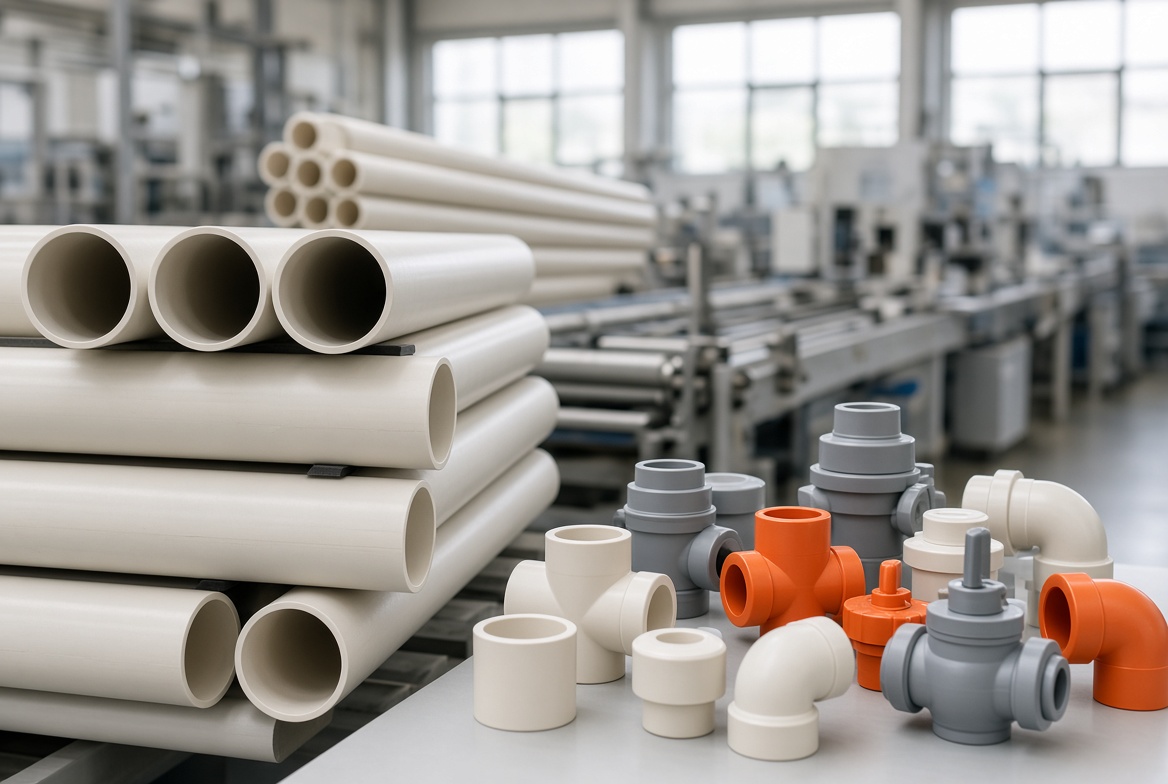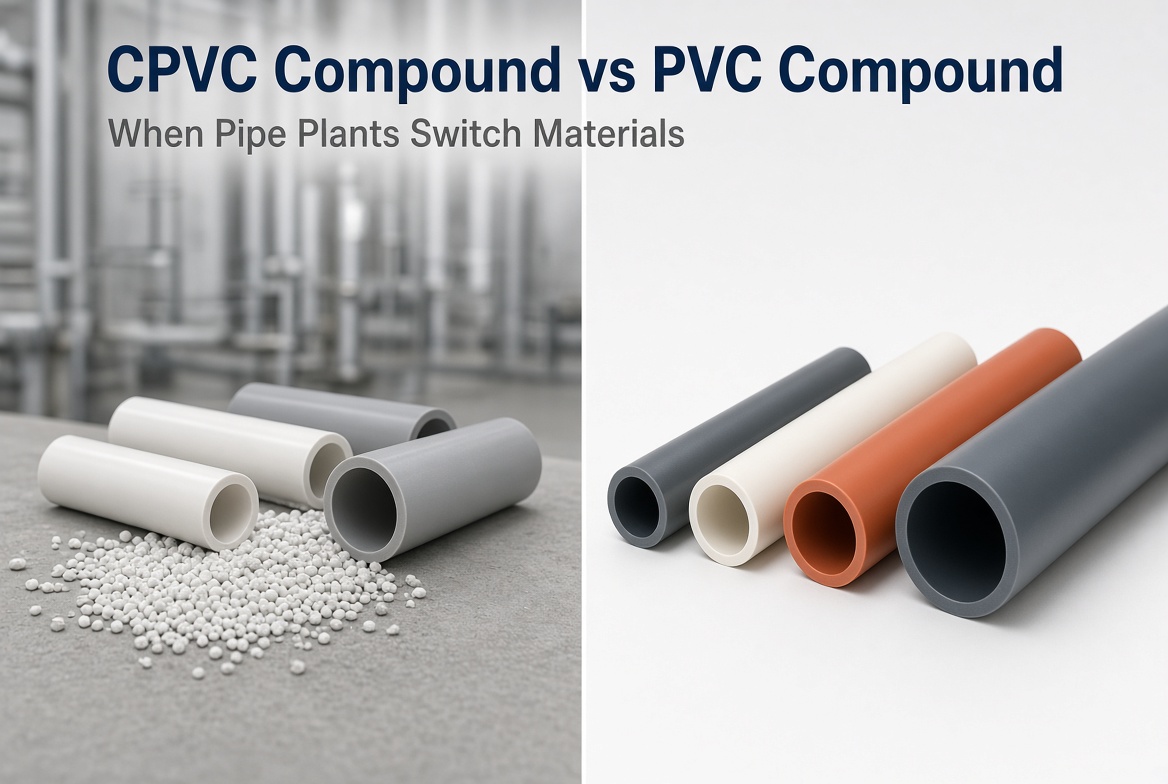
Lors du choix des matériaux pour les systèmes de tuyauterie commerciale, il est essentiel de comprendre la compatibilité chimique. Parmi les nombreux types de tuyaux en plastique disponibles — tels que le PVC, l'ABS et le PEX — le CPVC (polychlorure de vinyle surchloré) est largement reconnu pour sa résistance, sa tenue en température et sa fiabilité dans les applications résidentielles et industrielles. Cependant, un produit chimique nécessite une attention particulière lors de l'utilisation du CPVC : l'acétone. Cet article explique comment l'acétone interagit avec le CPVC, ses effets potentiels et comment le manipuler en toute sécurité pour protéger vos systèmes de tuyauterie.
Comprendre la relation entre l'acétone et le CPVC
Pour commencer, l'acétone est un solvant organique puissant couramment utilisé pour le nettoyage, le dégraissage et dans les applications industrielles. En plomberie, on le trouve souvent dans les nettoyants ou apprêts pour tuyaux utilisés pour préparer les tuyaux et raccords en CPVC avant l'application de la colle solvant. Ces nettoyants aident à éliminer la saleté, la graisse et l'humidité, garantissant ainsi un joint solide et sans fuite.
Cependant, bien que l'acétone joue un rôle important dans la préparation des surfaces, il n'est pas totalement inoffensif. Sa nature de solvant agressif signifie qu'il peut interagir avec la structure moléculaire du CPVC, surtout dans certaines conditions comme les basses températures ou une exposition prolongée. Comprendre cette interaction est essentiel pour prévenir les dommages prématurés aux tuyaux ou la défaillance du système.
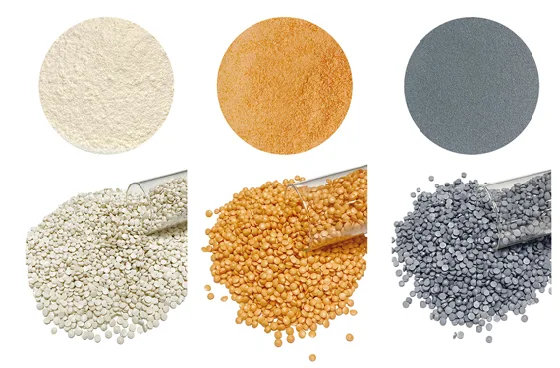
Le CPVC est-il résistant à l'acétone ?
CPVC est reconnu pour son excellente résistance chimique, notamment face aux acides, aux bases, aux sels et à de nombreux hydrocarbures aliphatiques. Pourtant, l'acétone est une exception. Il agit comme un plastifiant, ramollissant la surface du CPVC pour améliorer l'adhérence lors du processus de collage. Lorsqu'il est utilisé en quantités contrôlées, ce ramollissement est temporaire et bénéfique.
Les problèmes surviennent lorsque l'exposition à l'acétone devient excessive ou se produit dans des conditions de gel. À basse température — généralement en dessous de 4°C (40°F) — l'acétone peut affaiblir les chaînes polymères qui confèrent au CPVC sa résistance. Avec le temps, cela peut provoquer des fissures dues aux contraintes environnementales, entraînant une fragilisation, des fuites et une défaillance éventuelle du tuyau. Par conséquent, les nettoyants à base d'acétone ne doivent être utilisés que dans le respect des limites de température et d'exposition recommandées par le fabricant du tuyau.
Effets de l'acétone sur les tuyaux en CPVC
Pour comprendre pourquoi l'acétone affecte le CPVC, il est utile d'examiner leur composition chimique. Le CPVC est un polymère amorphe — une structure composée de longues chaînes moléculaires entrelacées qui assurent durabilité et flexibilité. L'acétone, quant à lui, est un composé de type cétone qui dissout certains plastiques en attaquant ces liaisons moléculaires.
Lorsque l'acétone entre en contact avec le CPVC, il commence à dissoudre ou à affaiblir la couche externe, surtout si le temps d'exposition est prolongé. Cette dégradation peut entraîner un ramollissement de la surface, des fissures et une perte d'intégrité structurelle. La dégradation ne se produit pas immédiatement — cela peut prendre des mois ou des années selon les conditions environnementales et la concentration chimique. Cependant, une fois que des fissures se forment, elles ont tendance à se propager, entraînant des fuites potentielles ou une défaillance du système.
Un autre facteur est la contrainte combinée. Lorsque les tuyaux en CPVC sont exposés à des pressions externes — telles que des contraintes mécaniques, le rayonnement UV ou une installation incorrecte — les effets de l'acétone peuvent s'intensifier. Par conséquent, éviter toute exposition chimique inutile est essentiel pour maintenir des performances à long terme.
Pourquoi l'acétone est-il toujours utilisé dans les nettoyants pour tuyaux ?
Malgré ses risques potentiels, l'acétone continue d'être largement utilisé dans les produits de nettoyage pour tuyaux en CPVC. La raison réside dans son efficacité. L'acétone élimine efficacement l'huile, la poussière et les impuretés de surface, aidant la colle solvant à former une liaison solide entre le tuyau et le raccord.
Cependant, la plupart des nettoyants commerciaux pour tuyaux ne contiennent pas d'acétone pur. Ils utilisent plutôt des mélanges d'acétone, combinés à d'autres produits chimiques tels que la cyclohexanone ou la méthyléthylcétone (MEK). Ces combinaisons réduisent l'impact agressif de l'acétone sur le CPVC tout en préservant son efficacité de nettoyage.
Par exemple, des produits commerciaux comme le nettoyant Oatey Clear Cleaner utilisent cette approche pour rendre le nettoyant sûr pour les tuyaux en CPVC, PVC et ABS. Par conséquent, l'utilisation du bon type de nettoyant compatible avec le CPVC — plutôt que de l'acétone pur — est essentielle pour la sécurité et la durabilité.
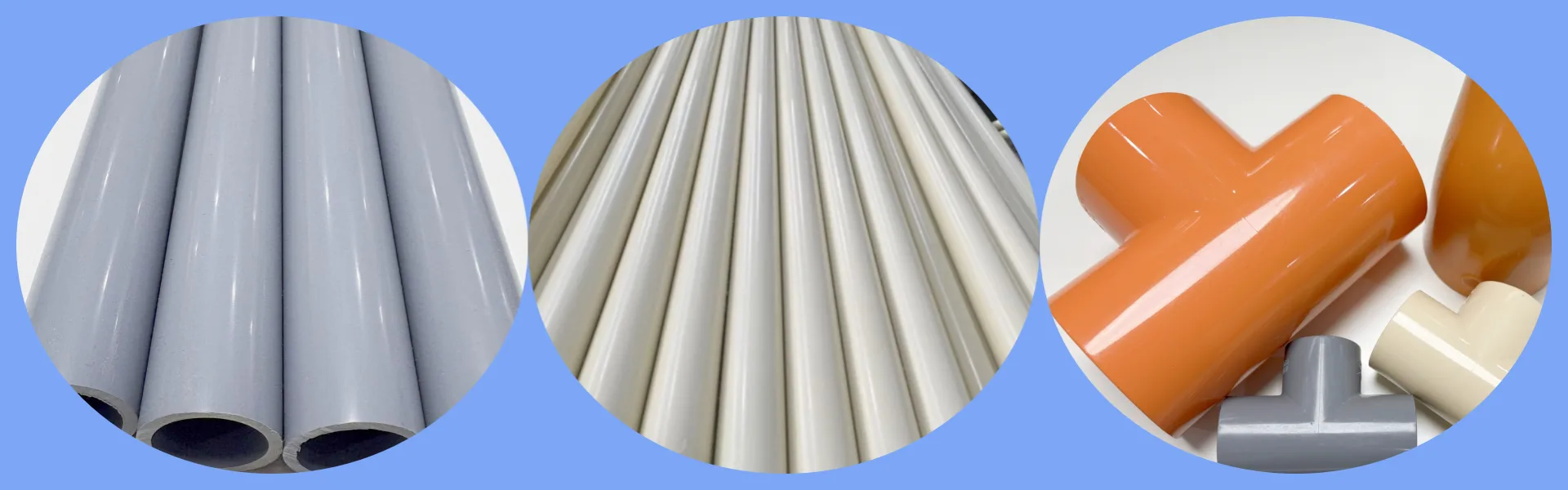
Pratiques sûres pour l'utilisation de l'acétone avec la tuyauterie en CPVC
Pour vous assurer que l'acétone n'endommage pas votre système de tuyauterie en CPVC, suivez ces meilleures pratiques recommandées :
- Vérifiez les directives du fabricant – Confirmez toujours que le nettoyant ou l'apprêt pour tuyaux choisi est conçu pour le CPVC. Les fabricants fournissent des limites de température et d'utilisation pour une bonne raison.
- Évitez l'acétone pur – Ne remplacez jamais un nettoyant CPVC commercial par de l'acétone pur. L'acétone pur peut dissoudre la surface du tuyau trop profondément.
- Utilisez des quantités minimales – Appliquez uniquement la quantité de nettoyant requise sur le tuyau et le raccord. Une utilisation excessive augmente la concentration chimique et les effets de ramollissement.
- Contrôlez la température – Utilisez les nettoyants à base d'acétone uniquement lorsque la température ambiante est supérieure à 4°C (40°F). Les basses températures augmentent le risque d'attaque chimique.
- Inspectez les contraintes – Évitez de combiner l'exposition chimique avec des contraintes physiques ou la lumière du soleil, car cette combinaison peut accélérer la fissuration.
En suivant ces étapes, vous pouvez minimiser le risque de dégradation chimique tout en maintenant les performances de liaison solides pour lesquelles les systèmes CPVC sont connus.
Considérations à long terme pour les applications commerciales
Dans les environnements commerciaux — tels que les hôtels, les immeubles de bureaux et les installations industrielles — les systèmes de tuyauterie doivent résister à un fonctionnement constant et à l'exposition à différents facteurs environnementaux. L'utilisation du mauvais produit chimique de nettoyage ou une application incorrecte peut entraîner des coûts de maintenance élevés ou des défaillances du système à long terme.
Lorsqu'ils sont correctement installés et entretenus, le CPVC reste l'un des matériaux les plus fiables pour la distribution d'eau chaude et froide, ainsi que pour les lignes de traitement chimique. Sa résistance inhérente à la corrosion, au feu et à de nombreux produits chimiques en fait une alternative supérieure aux systèmes traditionnels en métal ou en PVC.
Le point clé est que l'acétone doit être utilisé avec précaution et avec parcimonie. Bien qu'il favorise une bonne liaison lors de l'installation, il peut également affaiblir la structure du tuyau s'il est mal manipulé. Choisissez toujours des produits de nettoyage certifiés pour CPVC et respectez les meilleures pratiques d'application.
Conclusion
L'acétone joue un double rôle en ce qui concerne le CPVC : c'est à la fois un agent de nettoyage précieux et une source potentielle de dommages s'il n'est pas utilisé correctement. Bien que le CPVC possède une forte résistance chimique et thermique, une exposition prolongée ou inappropriée à l'acétone peut entraîner des fissures et une durée de vie réduite. En suivant les recommandations du fabricant et en évitant l'acétone pur, les utilisateurs commerciaux peuvent s'assurer que leurs systèmes de tuyauterie restent sûrs et durables pendant des années.
Pour des matériaux et des solutions CPVC de haute qualité, faites confiance à Xuye, un fabricant professionnel spécialisé dans les produits avancés en polychlorure de vinyle surchloré. Xuye fournit des matériaux CPVC durables et performants, conçus pour une utilisation à long terme dans les systèmes commerciaux, industriels et résidentiels.
Choisissez Xuye – votre partenaire fiable pour la fabrication et les solutions de CPVC haut de gamme.