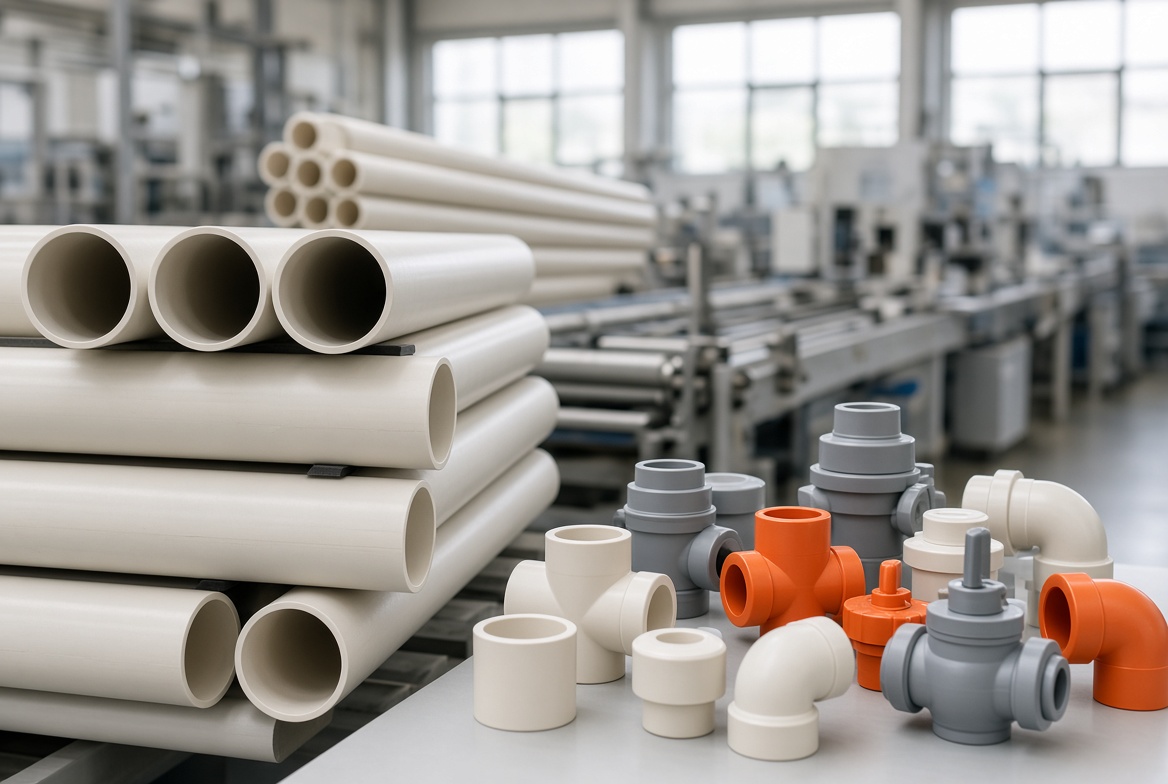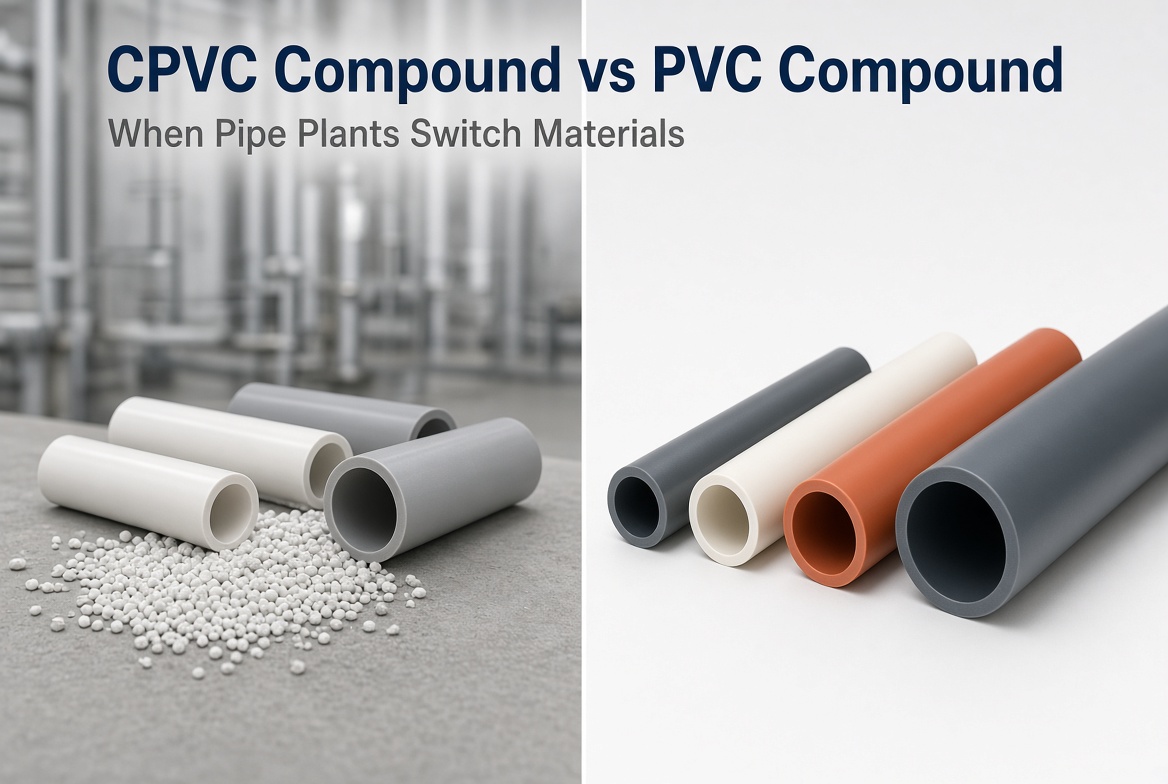

Seleccionar el formato de material incorrecto para el procesamiento de policloruro de vinilo clorado crea rápidamente graves tiempos de inactividad y problemas de calidad. Los gerentes de planta evalúan constantemente el bajo costo inicial de la resina virgen frente a la fiabilidad diaria de una mezcla premezclada. Elegir entre polvo de polímero puro sin compuestos y pellets listos para procesar determina directamente sus tasas de desperdicio, presupuestos de mantenimiento de equipos y resultados financieros.
Aunque el polvo de polímero virgen parece atractivo en una orden de compra, las mezclas preformuladas le brindan estabilidad inmediata y un comportamiento de fusión predecible desde el primer momento. Equilibrar estas diferencias técnicas ayuda a los directores de fábrica a alinear la compra de materias primas con sus configuraciones de tornillo reales y necesidades de cumplimiento.
¿Qué distingue a la resina de CPVC del compuesto de CPVC?
Antes de elegir un material para su fábrica, necesita una visión clara de cómo difieren estas dos opciones en su composición química y usabilidad diaria.
Entendiendo la resina de CPVC
La resina base es el polímero virgen producido mediante la cloración de PVC estándar. A través de un procesamiento cuidadoso, su contenido de cloro aumenta del 56.7 por ciento a un rango de trabajo de entre el 63 y el 69 por ciento, lo que resulta en una alta pureza. RESINA DE CPVC.
- Estado químico: Matriz de polímero puro diseñada para una alta estabilidad térmica.
- Límite térmico: Soporta temperaturas de fluidos calientes de hasta 93 grados Celsius bajo presión.
- Realidad del procesamiento: No puede ejecutarse en maquinaria estándar sin añadir una receta química completa.
- Usuario objetivo: Fábricas de tuberías a gran escala y plantas de mezcla química especializadas.
Entendiendo el compuesto de CPVC
Un compuesto premezclado toma la resina base virgen y la combina con un paquete equilibrado de aditivos. Esta receta incluye estabilizadores térmicos, lubricantes internos, ceras externas, modificadores de impacto, auxiliares de procesamiento y colorantes.
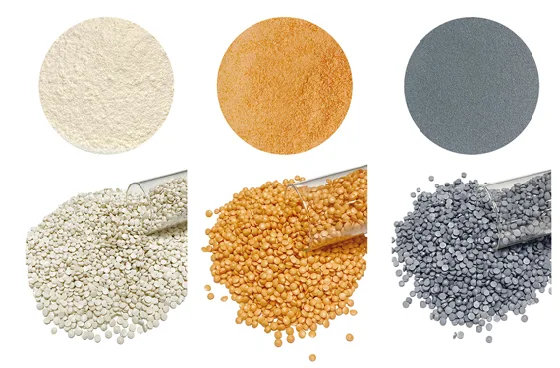
- Formas físicas: Se entrega como gránulos prepelletizados o polvo de mezcla seca uniforme.
- Beneficio operativo: Elimina errores de dosificación en el taller y proporciona un flujo de fusión constante.
- Realidad del procesamiento: Se vierte directamente en la tolva de la máquina sin pasos de mezcla adicionales.
- Usuario objetivo: Moldeadores por inyección personalizados, fabricantes de accesorios y extrusores de tuberías ágiles.
Matriz de decisión estratégica: Selección de la estrategia de material de CPVC correcta
| Métrica de decisión | Compra de resina base (mezcla interna) | Compra de compuesto premezclado (listo para procesar) |
| Inversión de capital | Alta (requiere sistemas de mezcla y laboratorios de pruebas) | Baja (funciona en líneas de extrusión y moldeo estándar) |
| Control de formulación | Total libertad interna para cambiar ingredientes | Fijado a las especificaciones de la fórmula del proveedor |
| Riesgo técnico | Alto riesgo de quemaduras térmicas y varianza entre lotes | Bajo riesgo con un rendimiento de fusión predecible |
| Precio unitario de la materia prima | Menor costo directo de polímero por tonelada | Precio todo incluido por tonelada |
| Cumplimiento normativo | Lento (requiere pruebas de laboratorio completas para recetas personalizadas) | Rápido (utiliza datos de cumplimiento de proveedores establecidos) |
| Operación objetivo | Fábricas de tuberías de alto tonelaje y plantas de mezcla | Moldeadores ágiles y fabricantes especializados de tuberías |
Evalúe el rendimiento del procesamiento en líneas de extrusión e inyección
El formato de materia prima que carga en su tolva determina la estabilidad de la fusión, el desgaste de la máquina y las tasas de producción diaria.
Estabilidad térmica y prevención de la degradación
La resina sin compuestos se descompone muy rápidamente cuando se somete a calor y a un alto esfuerzo cortante. Sin estabilizadores equilibrados mezclados, el material se quema dentro del cilindro y desprende gas de cloruro de hidrógeno corrosivo que corroe los filetes del husillo y amarillea el producto. Los compuestos preformulados llevan sistemas integrados de organoestaño o calcio-zinc que capturan los radicales libres, ampliando su ventana de procesamiento y deteniendo la quemadura térmica antes de que comience.
Reología y tasas de flujo de fusión
Las propiedades de flujo de su material deben coincidir con los requisitos de corte de su maquinaria de producción específica:
- Moldeo por inyección: Necesita un alto índice de flujo de fusión para que el plástico líquido llene cavidades de molde complejas antes de enfriarse.
- Extrusión de perfiles: Exige una alta resistencia de fusión para que la tubería mantenga su forma en el momento en que sale del cabezal.
El uso de material pre-peletizado mantiene el par constante, mantiene una presión de cabezal estable y garantiza una fusión completa en largas tiradas de producción.
Desgaste del husillo y requisitos de hardware
Verter polvos aditivos crudos y no dispersos directamente en una máquina provoca un rápido desgaste abrasivo en el hardware estándar. El procesamiento de estos polímeros requiere husillos anticorrosivos cromados o bimetálicos con zonas de control de temperatura precisas. Los pellets homogéneos reducen drásticamente el desgaste abrasivo en comparación con los lotes de polvo internos desiguales.
Adapte los formatos de CPVC a su alcance de producción principal
Adaptar la elección de su materia prima a su producto final mantiene su maquinaria funcionando de manera eficiente y asegura que sus productos cumplan con los estándares de prueba.
Líneas de extrusión (tuberías de fontanería, rociadores contra incendios, conductos industriales)
La extrusión continua de tuberías utiliza grandes volúmenes de material donde los pequeños ahorros en el precio unitario se suman rápidamente. Los artículos extruidos típicos incluyen tuberías de agua fría y caliente, sistemas de rociadores contra incendios, líneas químicas industriales y fundas de protección de cables de alto voltaje. Los grandes fabricantes de tuberías con equipos de mezcla de alta velocidad dedicados a menudo compran resina base y CPE modificadores de impacto para ejecutar mezclas secas internamente, reduciendo sus facturas de materia prima.
Líneas de moldeo por inyección (accesorios, válvulas, bridas)
El moldeo por inyección fuerza la fusión caliente a través de canales estrechos y paredes de molde delgadas bajo una presión extrema. Las piezas moldeadas estándar incluyen codos de tubería, válvulas industriales, anillos de relleno de torre, cajas de conexiones y cubiertas eléctricas protectoras. Los polvos mal dispersos causan líneas de soldadura débiles y defectos superficiales en las piezas terminadas. Es por eso que los moldeadores por inyección casi siempre confían en compuestos pre-peletizados para garantizar la resistencia estructural.
Calcule el TCO real: Costos ocultos de la mezcla interna frente a compuestos listos para usar
Mirar solo el precio por tonelada en una cotización de resina da una imagen engañosa de sus costos operativos totales.
Más allá del precio unitario de la materia prima
La resina sin compuestos tiene un precio inicial más bajo, pero mezclarla usted mismo significa comprar, almacenar y dosificar costosos aditivos especializados. Debe comprar estabilizadores de organoestaño, lubricantes de cera personalizados y modificadores de impacto acrílicos por separado. Los costos de flete, la pérdida de almacenamiento y el tiempo de mano de obra dedicado a manejar múltiples ingredientes crudos erosionan rápidamente esa ventaja de precio inicial.
Umbrales de Capex y pruebas de laboratorio
Establecer una operación de mezcla interna requiere un gasto de capital serio en mezcladores de alta intensidad, alimentadores de dosificación y equipos de control de calidad. Su equipo de laboratorio debe realizar controles constantes:
- Controles de materia prima: Prueba del peso molecular del PVC crudo y los niveles de pureza del gas cloro.
- Análisis térmico: Realización de pruebas termogravimétricas y reómetros para comprobar los tiempos de fusión.
- Validación mecánica: Pruebas de presión hidrostática, pruebas de resistencia a la tracción y controles de impacto.
Tasa de desperdicio, pérdida de rendimiento y barreras de certificación
La mezcla de lotes fuera de especificación causa un tiempo de inactividad costoso, matrices obstruidas y grandes pilas de chatarra. Además de eso, cambiar de un compuesto prefabricado reconocido a una fórmula auto-mezclada anula sus aprobaciones de calidad actuales. Obtener nuevos listados de agua potable NSF o ASTM para una receta interna requiere meses de pruebas de presión y miles en tarifas de laboratorio.
Si está buscando suministros de materia prima confiables, Shandong Xuye New Materials Co., Ltd. ofrece una línea completa de Polímeros clorados para aplicaciones industriales globales. Como uno de los primeros productores dedicados de China con una producción anual de 50 000 toneladas, la empresa fabrica resina de alta pureza junto con grados de polímero listos para procesar bajo estrictas normas ISO 9001.
Respaldados por un centro de investigación consolidado, sus COMPUESTO DE CPVC formulaciones especializadas abastecen a fabricantes de tuberías, accesorios, recubrimientos y componentes industriales en todo el mundo con una estabilidad de lote garantizada.
Preguntas frecuentes (FAQ)
¿Qué factores principales afectan el precio de los compuestos de CPVC extruidos?
El costo total de los compuestos preformulados depende de los precios de los polímeros de cloro crudos, el costo de los estabilizadores térmicos especializados de organoestaño o calcio-zinc, y el porcentaje de modificadores de impacto acrílicos utilizados en la mezcla. Los requisitos de color personalizados, los niveles específicos de resistencia al fuego y las tarifas de certificación de terceros también determinan el precio final de mercado. Para obtener precios precisos basados en sus requisitos térmicos específicos, comuníquese directamente con Xuye para consultar con su equipo de ingeniería.
¿Qué errores comunes ocurren al seleccionar materias primas para el moldeo por inyección de paredes delgadas?
Un error frecuente es elegir un material con propiedades de flujo bajas solo para reducir el gasto en materia prima. Intentar procesar resina en polvo cruda con una mezcla de lubricantes desequilibrada provoca un alto calor por cizallamiento, quemaduras localizadas, llenado incompleto (short shots) y líneas de soldadura débiles en moldes de accesorios complejos.
¿Pueden las máquinas de procesamiento de UPVC estándar procesar estos compuestos de alto contenido de cloro sin modificaciones?
Las máquinas de UPVC estándar no pueden procesar polímeros de alto contenido de cloro sin modificaciones. El CPVC tiene una viscosidad de fusión mucho mayor y requiere temperaturas de procesamiento hasta 30 grados Celsius más altas que el UPVC estándar. Su maquinaria necesita motores de accionamiento de alto par, tornillos bimetálicos anticorrosión, matrices cromadas y controles de calentamiento multizona precisos.
¿Cómo afectan las condiciones de almacenamiento ambiental a la vida útil del polímero en polvo crudo frente a los gránulos compuestos?
El polímero en polvo sin componer permanece químicamente estable durante largos períodos, pero absorbe la humedad ambiental fácilmente, lo que significa que debe secarlo completamente antes de procesarlo para evitar burbujas en la superficie. Los gránulos compuestos premezclados contienen estabilizadores térmicos activos y lubricantes que pueden migrar lentamente si se exponen a la luz solar directa o a condiciones de almacén calurosas. Los gránulos compuestos deben mantenerse en un almacenamiento fresco y procesarse dentro de los 6 a 12 meses.
Conclusión
Decidir entre resina base en polvo y compuesto listo para usar depende de la infraestructura de su fábrica y sus objetivos de producción. Comprar resina cruda ofrece a las plantas de tuberías de alto tonelaje una forma de reducir los costos de materia prima, pero los compuestos premezclados ofrecen una operación confiable de conectar y usar, menores tasas de desperdicio y respaldo normativo inmediato para moldeadores personalizados y líneas de tuberías ágiles.
Analizar detenidamente su costo total de propiedad ayuda a mantener su planta eficiente y sus productos terminados confiables. Comuníquese con nuestro equipo de ingeniería hoy mismo para hablar sobre la configuración de su máquina y solicitar lotes de muestra para sus líneas de producción.