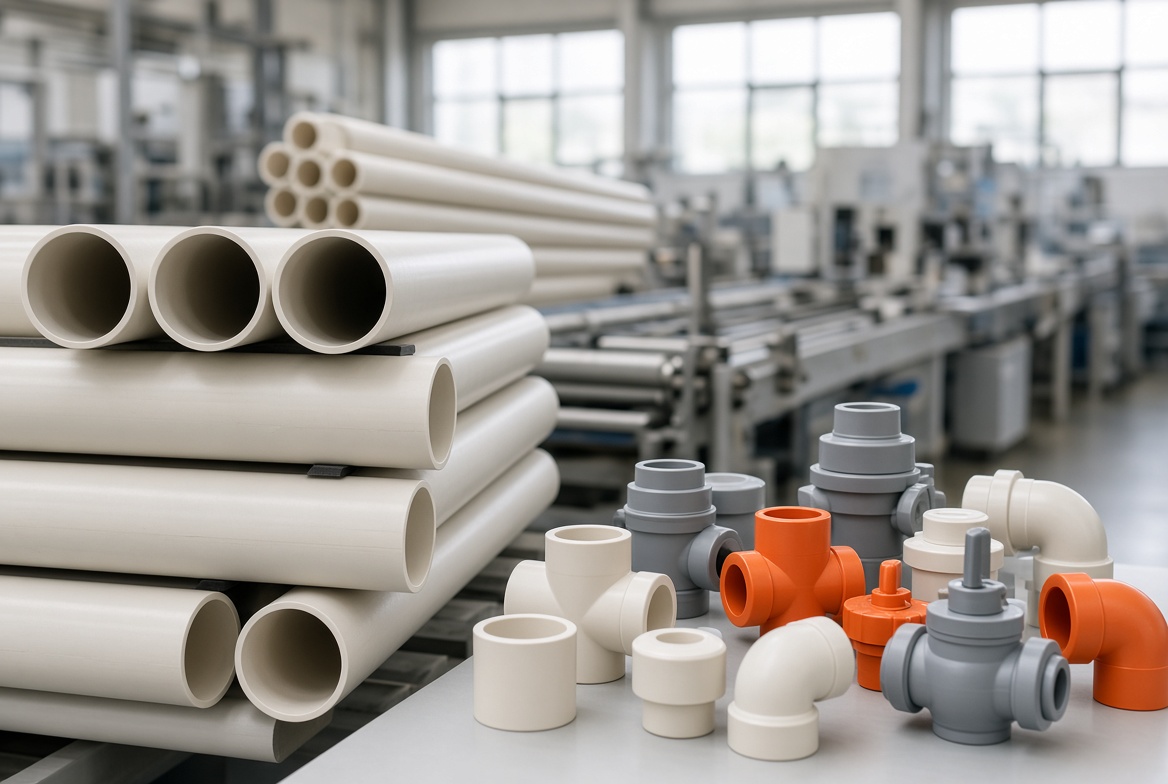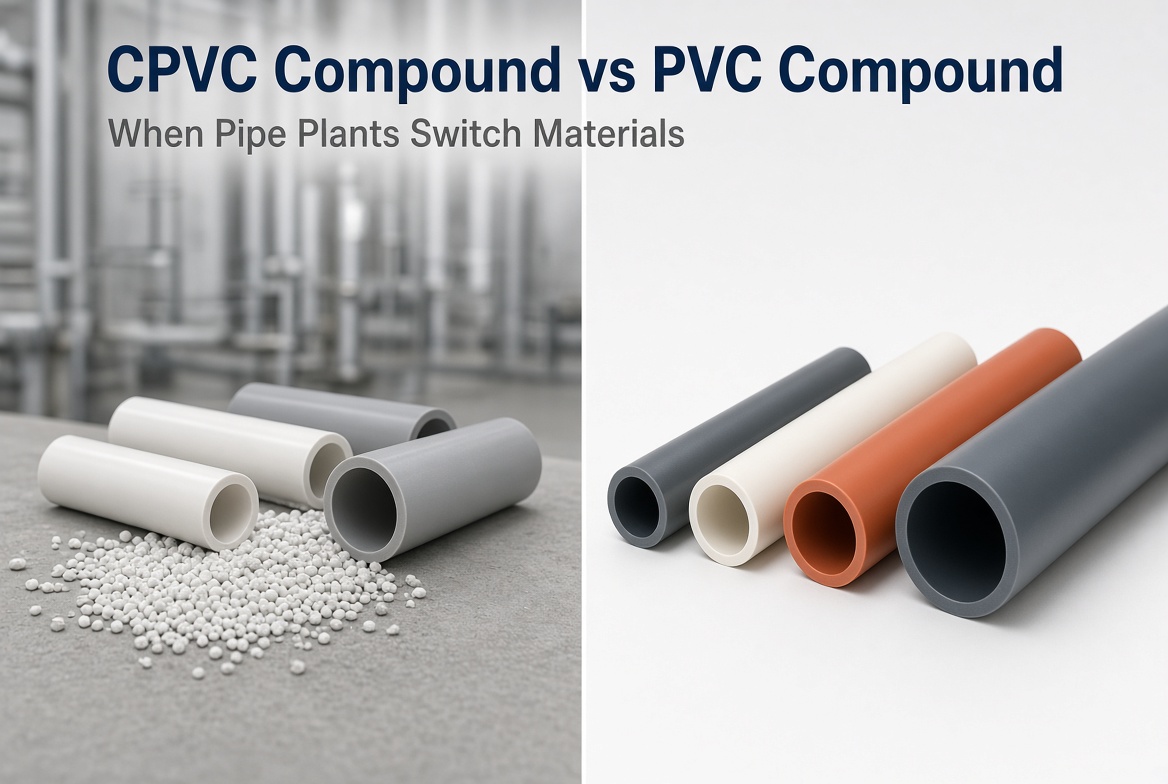
تتطلب أنظمة أنابيب المياه الساخنة مواد قادرة على تحمل درجات الحرارة العالية، والحفاظ على جودة المياه، وتقديم أداء موثوق به على مدى سنوات عديدة. وسواء كان ذلك في المباني السكنية، أو المرافق التجارية، أو المنشآت الصناعية، فإن اختيار مادة الأنابيب المناسبة له تأثير مباشر على كفاءة النظام، وتكاليف الصيانة، والموثوقية على المدى الطويل.
من بين العديد من مواد الأنابيب المتاحة اليوم،, CPVC (كلوريد متعدد الفاينيل المكلور) أصبح أحد أكثر الحلول استخداماً على نطاق واسع لتوزيع المياه الساخنة. إن مقاومته الممتازة للحرارة والتآكل وسهولة تركيبه تجعله بديلاً عملياً للأنابيب المعدنية التقليدية. يوضح هذا المقال سبب كون CPVC الخيار المفضل لأنظمة أنابيب المياه الساخنة الحديثة.
ما الذي يجعل CPVC مناسباً لأنظمة المياه الساخنة؟
يتم تصنيع CPVC عن طريق كلورة راتنج PVC، وهي عملية تعمل على تحسين مقاومته لدرجات الحرارة وخصائصه الميكانيكية بشكل كبير. وفي حين أن PVC القياسي يستخدم بشكل أساسي لتطبيقات المياه الباردة، فإن CPVC مصمم خصيصاً للتعامل مع المياه الساخنة بأمان وبشكل مستمر.
يمكن لمعظم أنظمة أنابيب CPVC العمل في درجات حرارة تصل إلى 93 درجة مئوية (200 درجة فهرنهايت)، مما يجعلها مناسبة لأنظمة المياه الساخنة المنزلية بالإضافة إلى العديد من التطبيقات التجارية والصناعية. وحتى في ظل التغيرات المتكررة في درجات الحرارة، يحافظ CPVC على قوته واستقراره الأبعادي، مما يساعد في تقليل مخاطر التشقق أو التشوه بمرور الوقت.
إن الجمع بين المتانة والأداء الحراري يسمح للمهندسين والمقاولين وأصحاب المباني بتصميم أنظمة سباكة موثوقة دون التحديات المرتبطة بالعديد من مواد الأنابيب التقليدية.
الفوائد الرئيسية لأنابيب CPVC
تتمثل إحدى أكبر مزايا CPVC في مقاومته للتآكل. فعلى عكس الأنابيب الفولاذية أو المجلفنة، لا يصدأ CPVC أو تتكون عليه القشور أو يتآكل عند تعرضه للماء. وهذا يساعد في الحفاظ على تدفق سلس للمياه طوال عمر النظام مع تقليل متطلبات الصيانة ومنع المشكلات الشائعة مثل انسداد الأنابيب أو انخفاض ضغط المياه.
يوفر CPVC أيضاً مقاومة كيميائية ممتازة. فهو يعمل بشكل جيد عند تعرضه للعديد من الأحماض والقلويات ومحاليل الأملاح، مما يجعله مناسباً ليس فقط للسباكة السكنية ولكن أيضاً لمعالجة السوائل الصناعية وتطبيقات معالجة المياه.
فائدة أخرى مهمة هي قدرته على الحفاظ على جودة المياه. ونظراً لأن CPVC لا يتآكل، فإنه لن يضيف الصدأ أو الجسيمات المعدنية إلى إمدادات المياه. كما أن سطحه الداخلي الأملس يمنع تراكم القشور، مما يسمح للمياه النظيفة بالتحرك بكفاءة عبر شبكة الأنابيب.
يعد التركيب سبباً آخر لاكتساب CPVC شعبية كبيرة. فمقارنة بالنحاس أو الفولاذ، تتميز أنابيب CPVC بخفة الوزن وسهولة النقل والقطع والتركيب. كما أن الربط باستخدام المذيب اللاصق يلغي الحاجة إلى اللحام أو التسنن، مما يقلل من وقت العمل ويبسط عملية التركيب. وبالنسبة للمقاولين، يترجم هذا غالباً إلى تكاليف تركيب أقل وإنجاز أسرع للمشاريع.
يساهم CPVC أيضاً في كفاءة الطاقة. ولأنه يتمتع بموصلية حرارية أقل من الأنابيب المعدنية، فإنه يقلل من فقدان الحرارة أثناء نقل المياه الساخنة. وهذا يساعد في الحفاظ على درجة حرارة المياه بشكل أكثر فعالية ويمكن أن يحسن الكفاءة العامة لأنظمة المياه الساخنة.
عند تركيبها وتشغيلها بشكل صحيح ضمن الظروف الموصى بها، يمكن لأنظمة أنابيب CPVC أن توفر عقوداً من الخدمة الموثوقة مع الحد الأدنى من الصيانة، مما يجعلها حلاً فعالاً من حيث التكلفة على مدار دورة حياة المبنى بالكامل.
مقارنة CPVC بمواد الأنابيب الأخرى
تُستخدم العديد من المواد بشكل شائع لأنابيب المياه الساخنة، بما في ذلك النحاس، وPEX، والفولاذ المجلفن، وPVC. ولكل منها مزاياه الخاصة، لكن CPVC يوفر واحداً من أفضل التوازنات الشاملة بين الأداء والمتانة والتكلفة.
توفر الأنابيب النحاسية مقاومة ممتازة للحرارة ولكنها عموماً أكثر تكلفة وتتطلب تركيباً متخصصاً. كما أنها قد تتعرض للتآكل في ظروف مياه معينة.
يتميز PEX بالمرونة وسهولة التركيب، مما يجعله خياراً شائعاً للسباكة السكنية. ومع ذلك، قد يختلف أداؤه اعتماداً على ظروف التشغيل، وليس دائماً الخيار المفضل لكل تطبيق تجاري أو صناعي.
يوفر الفولاذ المجلفن قوة ميكانيكية عالية ولكنه عرضة للتآكل وتراكم القشور بمرور الوقت، مما يؤدي إلى زيادة الصيانة وانخفاض تدفق المياه.
يعتبر PVC القياسي اقتصادياً ومقاوماً للتآكل ولكنه مصمم بشكل أساسي لأنظمة المياه الباردة بسبب تحمله المنخفض لدرجات الحرارة.
مقارنة بهذه البدائل، يجمع CPVC بين القدرة على تحمل درجات الحرارة العالية، ومقاومة التآكل، وسهولة التركيب، والتكلفة التنافسية، مما يجعله مناسباً لمجموعة واسعة من تطبيقات المياه الساخنة.
التطبيقات الشائعة لأنابيب المياه الساخنة CPVC
جعل تعدد استخدامات CPVC منه خياراً شائعاً في العديد من الصناعات. تستخدم المنازل السكنية CPVC لأنظمة المياه الصالحة للشرب الساخنة والباردة نظراً لموثوقيته ومتطلبات الصيانة المنخفضة.
تستفيد المباني التجارية مثل الفنادق والمدارس والمجمعات المكتبية والمستشفيات من العمر التشغيلي الطويل لـ CPVC والأداء المتسق تحت ظروف تدوير المياه الساخنة المستمرة.
تعتمد المرافق الصناعية أيضاً على CPVC لنقل المياه المسخنة وبعض المواد الكيميائية بسبب مقاومته الكيميائية الممتازة. وكثيراً ما تدمج محطات معالجة المياه، ومرافق معالجة الأغذية، وعمليات التصنيع أنابيب CPVC في أنظمتها لتحسين الموثوقية مع تقليل تكاليف الصيانة.
إن الجمع بين المتانة والسلامة وكفاءة التركيب يسمح لـ CPVC بالأداء الجيد في كل من مشاريع البناء الجديدة وتجديدات الأنظمة.
اختيار مورد مواد CPVC موثوق
لا يعتمد أداء نظام الأنابيب على التصميم والتركيب فحسب، بل يعتمد أيضاً على جودة المواد الخام المستخدمة أثناء التصنيع. يساعد اختيار مورد CPVC موثوق في ضمان جودة المنتج المتسقة، وأداء المعالجة المستقر، والمتانة على المدى الطويل.
عند تقييم الموردين، ضع في اعتبارك عوامل مثل اتساق المنتج، والامتثال لمعايير الجودة الدولية، والدعم الفني، وخبرة التصنيع. يمكن للمورد الموثوق به توفير مواد تلبي المتطلبات الصارمة لأنظمة السباكة والأنابيب الصناعية الحديثة مع دعم المصنعين بإنتاج مستقر وأداء منتج موثوق.
الخلاصة
أصبح CPVC أحد المواد الرائدة لأنابيب المياه الساخنة لأنه يوفر مزيجاً متميزاً من مقاومة الحرارة، ومقاومة التآكل، والاستقرار الكيميائي، وكفاءة التركيب. ومقارنة بمواد الأنابيب التقليدية، فإنه يوفر متطلبات صيانة أقل، وموثوقية ممتازة على المدى الطويل، وتكاليف دورة حياة تنافسية.
سواء تم استخدامه في السباكة السكنية، أو المباني التجارية، أو المرافق الصناعية، يواصل CPVC تقديم أداء يمكن الاعتماد عليه في تطبيقات المياه الساخنة الصعبة. ومن خلال اختيار مواد CPVC عالية الجودة من مورد ذي خبرة، يمكن للمصنعين والمقاولين بناء أنظمة أنابيب مصممة لتعمل بشكل موثوق لسنوات عديدة.