كلوريد البولي فينيل المكلور (CPVC) Z-500C
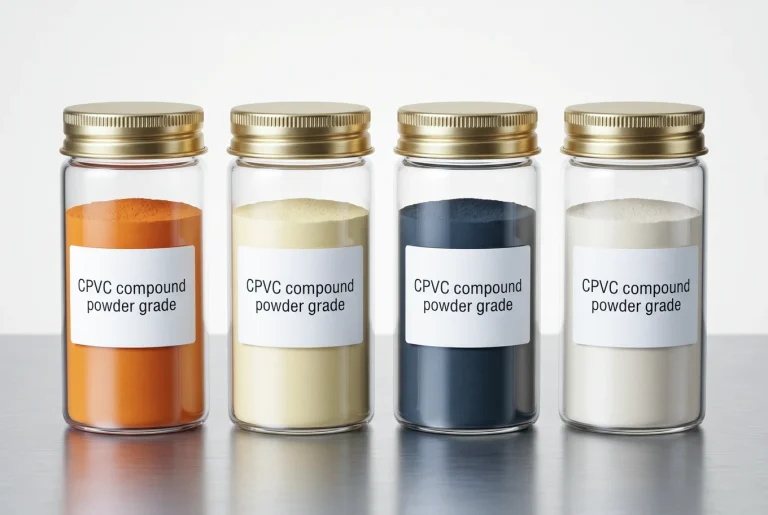
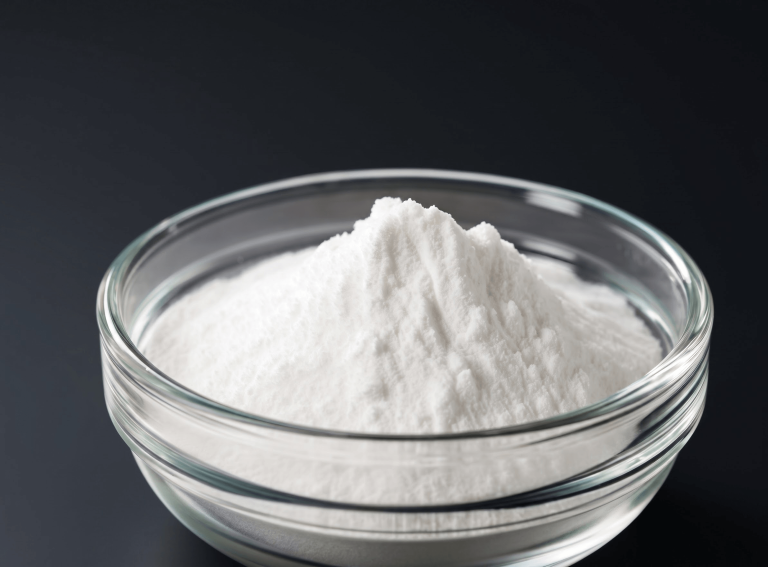
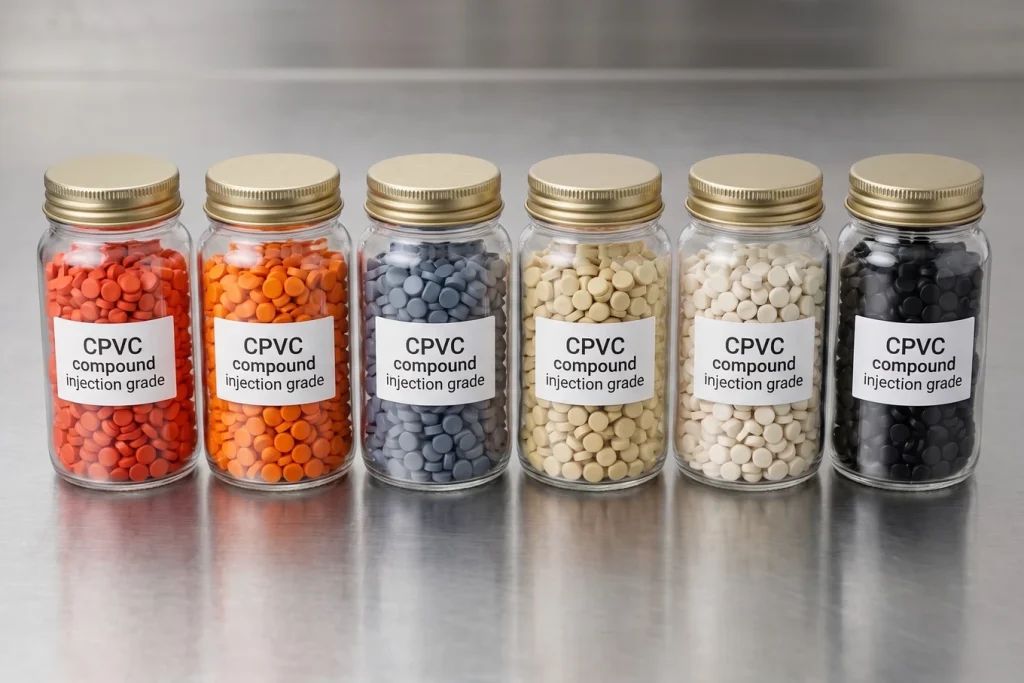
مركب CPVC مخصص للحقن لإنتاج الوصلات والصمامات ووصلات الحماية من الحرائق.
بصفتنا شركة رائدة في تصنيع البوليمرات المكلورة، نقدم محفظة شاملة تشمل راتنج CPVC، ومركب CPVC، وCPE. تم تصميم منتجاتنا من البوليمرات المكلورة لتطبيقات بثق الأنابيب، وتصنيع القطاعات، والقولبة بالحقن، وتعديل المطاط.
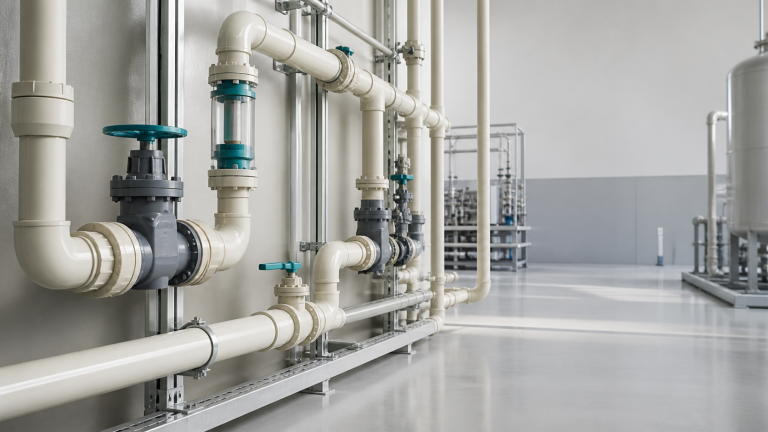
مركب كلوريد متعدد الفاينيل المكلور جاهز للمعالجة لبثق الأنابيب، وقولبة الوصلات بالحقن، والأنابيب الصناعية، وتطبيقات الحماية من الحرائق.
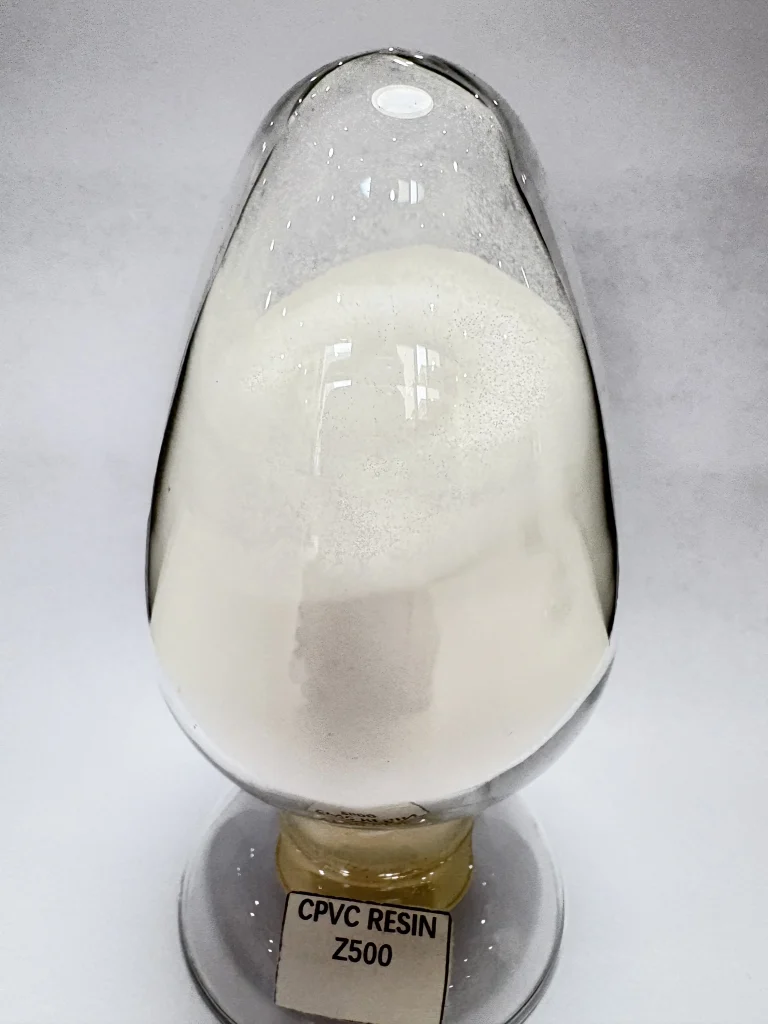
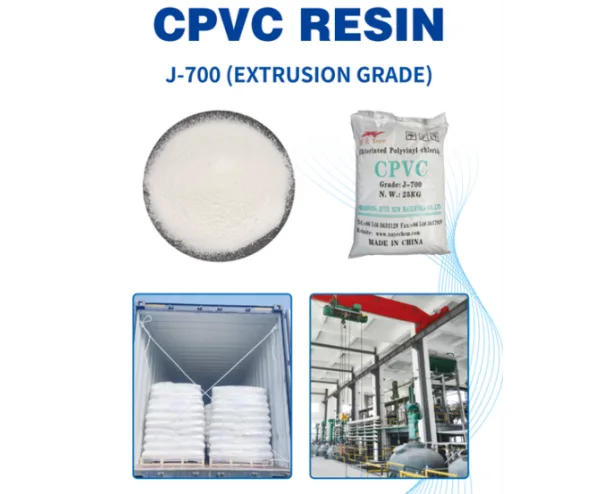
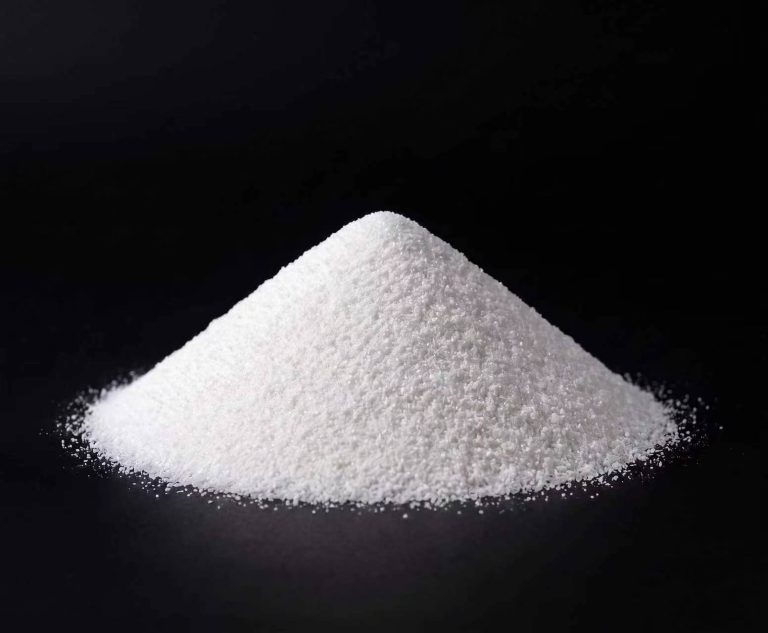
راتنج كلوريد البوليفينيل المكلور للبثق والقولبة بالحقن. مثالي لأنابيب المياه الساخنة والباردة، والأنابيب الصناعية، والوصلات، والمواد اللاصقة، والطلاءات.
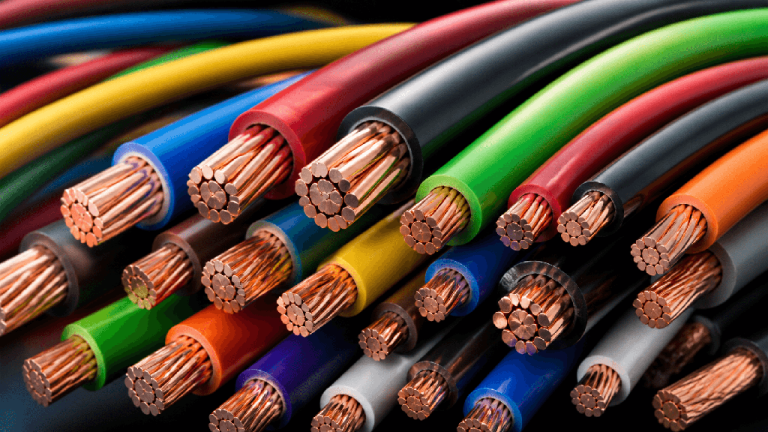
CPE (البولي إيثيلين المكلور) هو مادة بوليمرية مرنة أو لدن بالحرارة يتم إنتاجها عن طريق إدخال ذرات الكلور في السلسلة الجزيئية للبولي إيثيلين (PE). وتتميز بخصائص مثل مقاومة الحرارة، ومقاومة العوامل الجوية، ومقاومة الزيوت، ومقاومة اللهب، والمقاومة الكيميائية، ومقاومة الأوزون. وهي تعمل كمعدل للصدمات لمنتجات PVC الصلبة وتستخدم على نطاق واسع في إنتاج الأبواب والنوافذ والأنابيب البلاستيكية. بالإضافة إلى ذلك، يمكنها استبدال مطاط النيوبرين في تطبيقات متخصصة في صناعات الأسلاك والكابلات، وكذلك الخراطيم والأحزمة.
تمتلك شركة Weifang Derun Chemical (التي استحوذت عليها Xuye بالكامل) أكبر مرافق إنتاج SIPM و 5-SSIPA في العالم، باستخدام أكثر تقنيات الإنتاج تقدمًا في الصين. يتمتع كلا المنتجين بحقوق ملكية فكرية مستقلة وبراءات اختراع تقنية. يتم تصدير المنتجات إلى أوروبا والولايات المتحدة وكوريا الجنوبية والهند وأستراليا ودول ومناطق أخرى.
يعتبر CPVC (كلوريد البوليفينيل المكلور) ترقية لـ PVC (كلوريد البوليفينيل). من خلال المزيد من كلورة PVC، يحصل CPVC على مقاومة أفضل للحرارة، ومقاومة للحريق، ومقاومة كيميائية، وقوة ميكانيكية. للحصول على نظرة أكثر تفصيلاً حول كل خطوة، يمكنك القراءة عن .
مقارنة بـ PP (البولي بروبيلين) و PE (البولي إيثيلين) المستخدمين بشكل شائع، يتمتع CPVC بمقاومة أفضل للحرارة ومقاومة للحريق وقوة ميكانيكية. بالإضافة إلى ذلك، يتمتع CPVC بمقاومة أقوى للأحماض والقلويات.
تتمثل عيوب المواد المعدنية في سهولة تعرضها للصدأ والتقادم، كما أن الأسطح الداخلية عرضة لتكون القشور (بقع الماء). لا يصدأ CPVC ولا تتكون عليه القشور بسهولة. بالإضافة إلى ذلك، فإن الأنابيب المصنوعة من CPVC سهلة القطع واللصق أثناء التركيب، مما يساعد في تقليل تكاليف العمالة أثناء التثبيت. كما سيتم تقليل ساعات تدريب العمال.
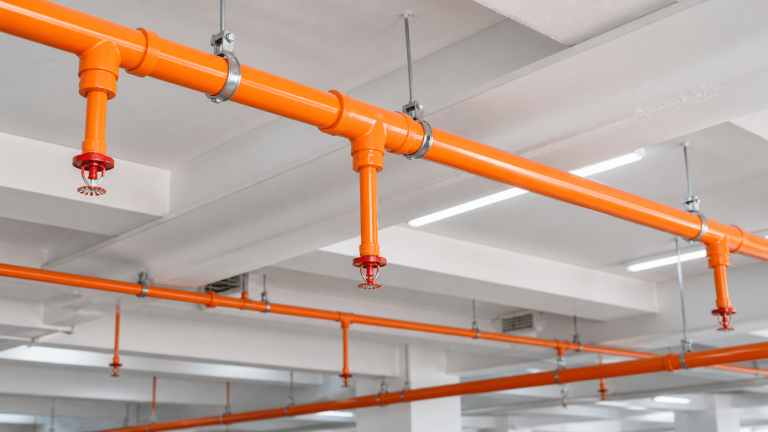
يُستخدم CPVC بشكل شائع في أنظمة الأنابيب في البيئات القاسية. على سبيل المثال، أنابيب ووصلات إمداد المياه الساخنة التي تتطلب مقاومة عالية لدرجات الحرارة، وأنابيب ووصلات رشاشات الحريق التي تتطلب مقاومة عالية للحريق والحرارة. بالإضافة إلى ذلك، يمكن استخدامه أيضاً في التطبيقات الصناعية التي تتطلب مقاومة كيميائية.
أخبرنا عن تطبيقك والدرجة المستهدفة. ستساعدك XUYE في تأكيد الخطوة العملية التالية.
يستخدم هذا الموقع ملفات تعريف الارتباط لتحسين تجربتك أثناء التنقل عبر الموقع. من بين هذه الملفات، يتم تخزين ملفات تعريف الارتباط المصنفة كضرورية في متصفحك لأنها ضرورية لعمل الوظائف الأساسية للموقع.
نحن نستخدم أيضاً ملفات تعريف ارتباط تابعة لجهات خارجية تساعدنا في تحليل وفهم كيفية استخدامك لهذا الموقع. سيتم تخزين ملفات تعريف الارتباط هذه في متصفحك فقط بموافقتك. لديك أيضاً خيار إلغاء الاشتراك في ملفات تعريف الارتباط هذه. ولكن إلغاء الاشتراك في بعض هذه الملفات قد يؤثر على تجربة التصفح الخاصة بك.