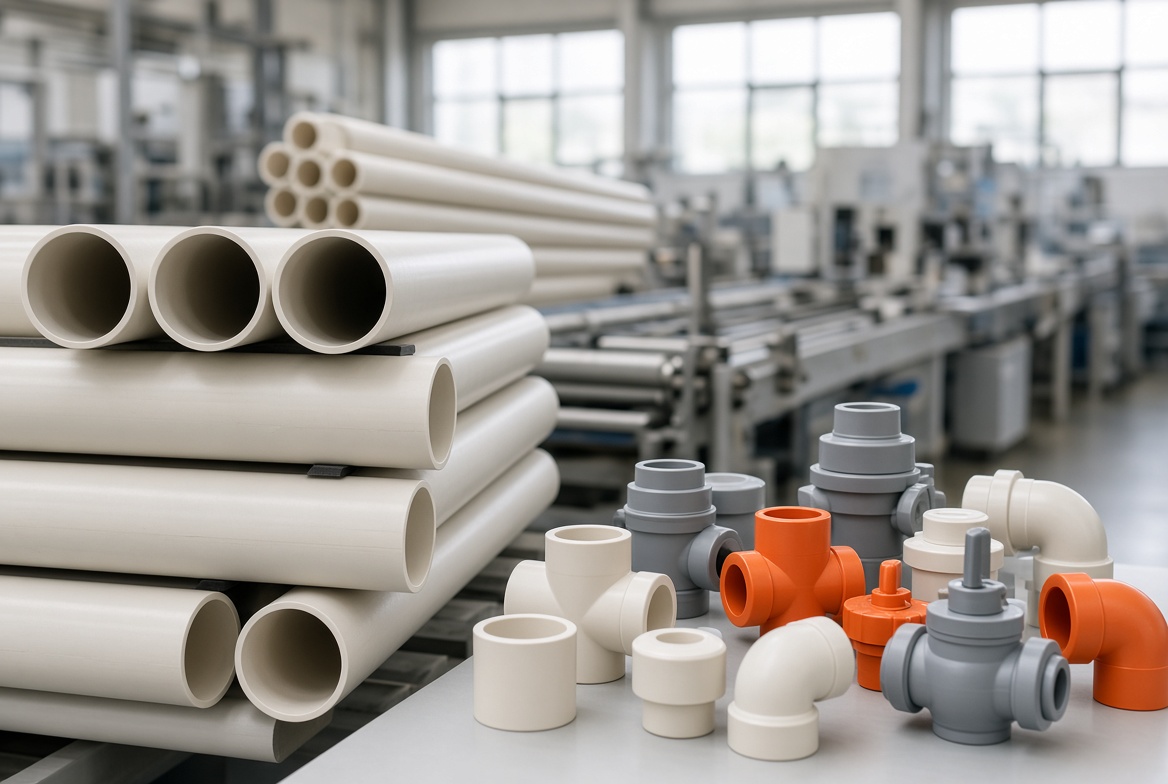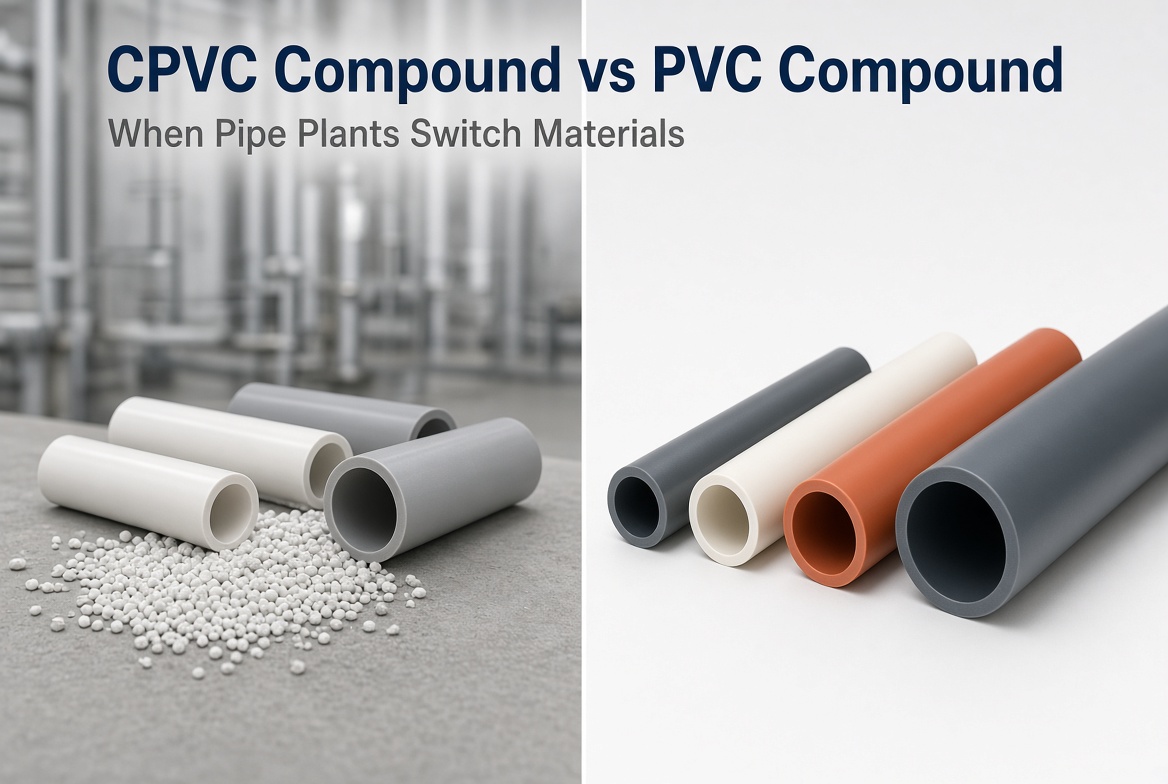
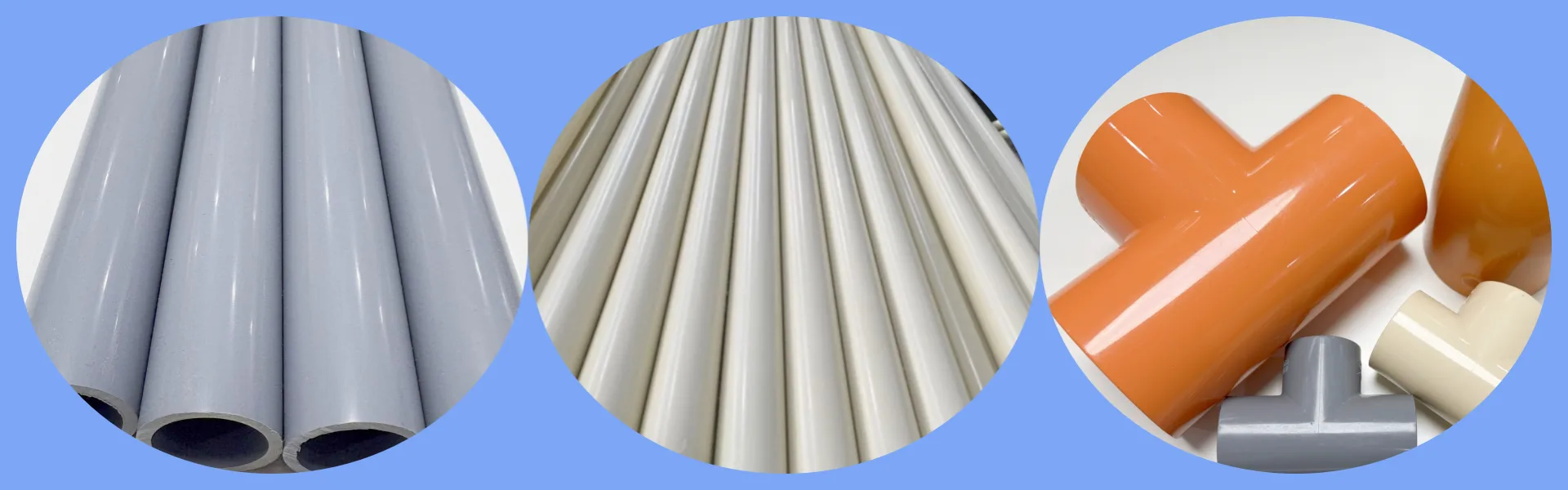
لعقود طويلة، كانت أنظمة الأنابيب المعدنية مثل الفولاذ الكربوني والفولاذ المقاوم للصدأ هي الخيار القياسي للبيئات الصناعية. فهي مألوفة وقوية ومثبتة الكفاءة في التطبيقات التي تنطوي على درجات حرارة عالية وضغوط مرتفعة. ومع ذلك، ومع استمرار سعي الصناعات لإيجاد طرق لتقليل تكاليف الصيانة، وتحسين موثوقية الأنظمة، والتعامل مع مواد كيميائية أكثر عدوانية، بدأت المزيد من الشركات الآن في اعتبار CPVC بديلاً عملياً. ومع تزايد هذا الاتجاه، أصبح من الضروري فهم كيفية مقارنة CPVC بالأنابيب المعدنية التقليدية في الاستخدام الصناعي الفعلي.
لماذا أصبح CPVC خياراً مهماً للأنابيب
بادئ ذي بدء، من المهم فهم سبب رغبة الصناعات في استكشاف مواد جديدة في المقام الأول. تواجه العديد من المصانع ارتفاعاً في تكاليف الإصلاح، وفشل الأنظمة بسبب التآكل، ووقت التوقف المرتبط بالأنابيب المعدنية. وفي الوقت نفسه، تتطلب المزيد من العمليات الكيميائية اليوم مواد ذات مقاومة قوية للتآكل وأداء طويل الأمد يمكن الاعتماد عليه. وبسبب هذه الاحتياجات، اكتسبت أنظمة أنابيب CPVC اهتماماً كخيار موثوق وفعال من حيث التكلفة.
ما هو CPVC؟ فهم خصائصه الرئيسية
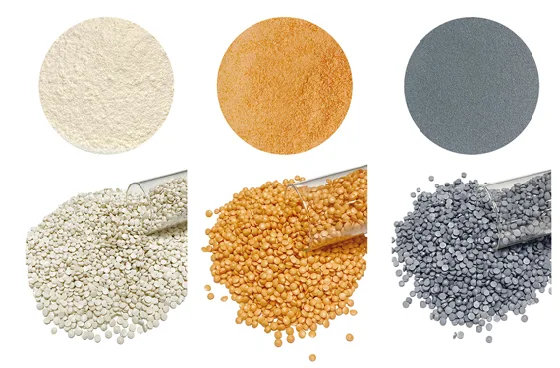
قبل مقارنة CPVC بالمعدن، من المفيد إلقاء نظرة على ماهية CPVC في الواقع. كلوريد البوليفينيل المكلور هو مادة لدن بالحرارة يتم إنشاؤها عن طريق كلورة راتنج PVC القياسي. من خلال هذه العملية، تزداد نسبة الكلور، مما يعزز مقاومة المادة للحرارة واستقرارها الكيميائي. ونتيجة لذلك، يوفر CPVC درجة حرارة انتقال زجاجي أعلى، ومقاومة أفضل للعديد من المواد المسببة للتآكل، وقوة ميكانيكية مستقرة.
هذه الخصائص تجعل CPVC مناسباً للبيئات الصناعية حيث يكون التعرض للمواد الكيميائية، ودرجات الحرارة المرتفعة، والموثوقية طويلة الأمد أمراً بالغ الأهمية.
أداء درجة الحرارة والضغط: CPVC مقابل المعدن
بعد ذلك، عند تقييم أي مادة أنابيب صناعية، تعد تصنيفات درجة الحرارة والضغط عوامل أساسية. لطالما حظيت الأنابيب المعدنية بالثقة في الظروف التي تنطوي على أحمال ثقيلة أو ضغط مرتفع، ولا تزال قوية في هذه المجالات.
ومع ذلك، يخضع CPVC أيضاً لاختبارات صارمة لتأكيد أدائه. وفقاً لمعيار ASTM D2837، يتم تصنيف ضغط CPVC باستخدام اختبار هيدروستاتيكي طويل الأمد، حيث تتعرض العينات لضغوط داخلية مختلفة لآلاف الساعات. ثم يتم تحليل البيانات لتحديد القوة الهيدروستاتيكية طويلة الأمد (LTHS) وإجهاد التصميم الهيدروستاتيكي (HDS). باستخدام هذه الطريقة الموحدة، يحصل CPVC على تصنيفات ضغط عند درجات حرارة رئيسية مثل 73 درجة فهرنهايت و180 درجة فهرنهايت.
هذا يعني أن CPVC ليس خياراً غير مختبر، بل هو مادة ذات بيانات أداء راسخة للاستخدام الصناعي المستمر.
مقاومة التآكل: حيث يظهر CPVC ميزة واضحة
على الرغم من أن الأنابيب المعدنية تتمتع بمزايا القوة، إلا أن التآكل يظل أحد أكبر نقاط ضعفها. يمكن للأنابيب المعدنية المعرضة للأحماض أو القواعد أو الأملاح أو حتى المياه المؤكسجة أن تطور عدة أنواع من التآكل، بما في ذلك التآكل التنقري، وتآكل الشقوق، والتآكل الخارجي. وبمرور الوقت، يمكن أن تؤدي هذه المشكلات إلى تسريبات، وتلوث، وفقدان الضغط، وحتى فشل هيكلي.
في المقابل، توفر أنابيب CPVC مقاومة ممتازة للتآكل. ولأن CPVC خامل كيميائياً تجاه العديد من المواد العدوانية، فإن الأيونات التي تهاجم المعدن عادةً تمر ببساطة عبر المادة دون التسبب في أي ضرر. وهذا يجعل CPVC قيماً بشكل خاص في صناعات مثل المعالجة الكيميائية، وإنتاج الكلور والقلويات، ومعالجة النفايات، ومعالجة المياه المالحة.
في البيئات التي يكون فيها التآكل مشكلة متكررة، يمكن لـ CPVC تقليل الصيانة بشكل كبير وإطالة عمر الخدمة مقارنة بالمعدن.
سلوك الترسيب: ميزة CPVC على المعدن
الترسيب هو مشكلة أخرى تؤثر على العديد من أنظمة الأنابيب المعدنية. يمكن لبعض الأيونات - مثل الكالسيوم أو المغنيسيوم أو السيليكا - أن تخرج من المحلول وتلتصق بالسطح الداخلي للأنابيب المعدنية. هذه الرواسب تقلل التدفق تدريجياً، وتزيد من حمل المضخة، وتؤدي إلى تنظيف أكثر تكراراً.
ولأن CPVC لا يتفاعل مع هذه الأيونات، فهو أقل عرضة للترسيب بكثير. يساعد سطحه الداخلي الأملس في الحفاظ على تدفق ثابت ويقلل من خطر الانسداد. ونتيجة لذلك، يمكن أن يساعد CPVC في الحفاظ على كفاءة تشغيلية أفضل وتقليل وقت التوقف عن العمل بسبب التنظيف.
التركيب والصيانة: التكلفة والاختلافات العملية
مجال آخر يختلف فيه CPVC بقوة عن المعدن هو التركيب والصيانة. تتطلب الأنابيب المعدنية اللحام، وأدوات متخصصة، وعمالة ذات خبرة. وهذا يزيد من وقت التركيب والتكاليف، خاصة عند استخدام الفولاذ المقاوم للصدأ.
بالمقارنة، يستخدم CPVC وصلات لاصقة بالمذيبات، وهي أبسط وأسرع بكثير. لا تتطلب العملية معدات ثقيلة، أو كهرباء، أو تصاريح عمل ساخن. تسمح هذه العوامل بتركيب أنظمة CPVC بسرعة أكبر، مع تكلفة عمالة أقل ونفقات مشروع إجمالية مخفضة.
الصيانة أيضاً أبسط بالنسبة لـ CPVC. ولأن المادة لا تتآكل أو تترسب بسهولة، غالباً ما تواجه المصانع عدداً أقل من عمليات التوقف غير المخطط لها واستبدالاً أقل تكراراً للأجزاء.
الاستقرار طويل الأمد وملاءمة التطبيق
على مر السنين، أثبت CPVC أداءً موثوقاً طويل الأمد في العديد من القطاعات الصناعية. فهو يحافظ على خصائص ميكانيكية مستقرة حتى عند تعرضه للأحماض والقواعد والأملاح العدوانية. يساعد هذا الاستقرار في ضمان أداء يمكن التنبؤ به، وهو أمر ضروري لمهندسي المصانع الذين يخططون لدورات خدمة طويلة.
لا تزال الأنابيب المعدنية تتمتع بمزايا في مواقف محددة، مثل الأحمال الهيكلية العالية للغاية أو درجات الحرارة التي تتجاوز حدود CPVC. ومع ذلك، في العديد من العمليات الحديثة حيث تعد مقاومة التآكل وتكلفة دورة الحياة من الاهتمامات ذات الأولوية، أصبح CPVC حلاً مفضلاً.
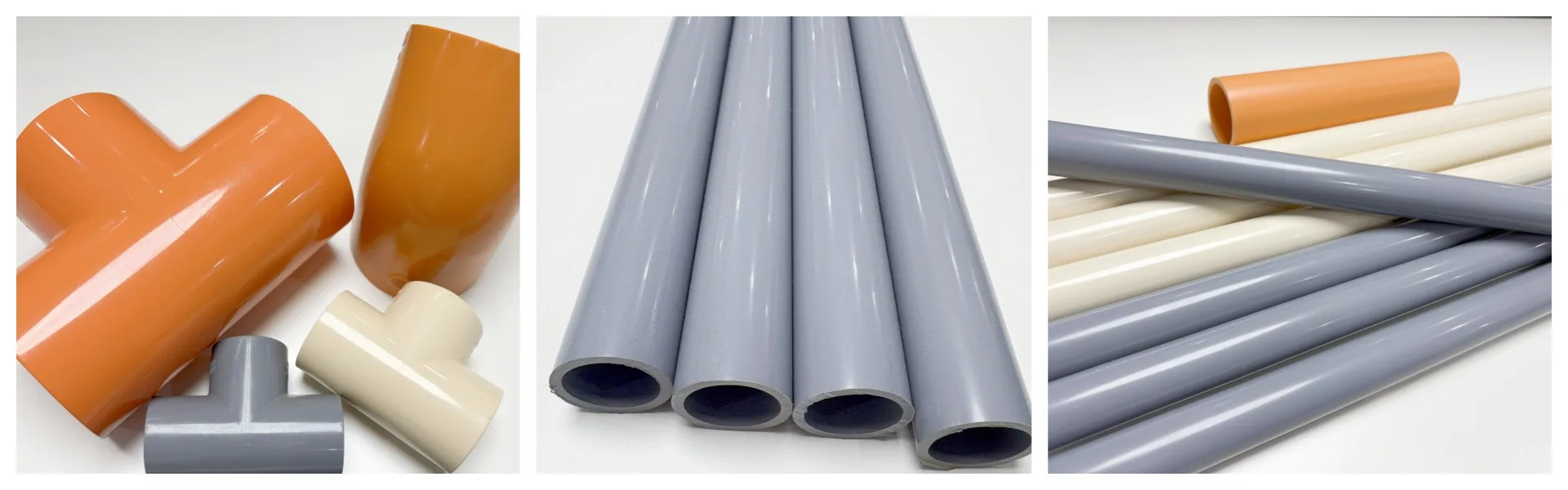
إجمالي تكلفة الملكية: مقارنة CPVC والمعدن
عند تقييم إجمالي تكلفة الملكية، غالباً ما يوفر CPVC وفورات كبيرة. تتمتع الأنابيب المعدنية بتكلفة مواد أولية أعلى، خاصة الفولاذ المقاوم للصدأ، وعادة ما يتطلب تركيبها مزيداً من الوقت والعمالة الماهرة. وبمرور الوقت، تستمر الإخفاقات المتعلقة بالتآكل، ومتطلبات الطلاء، والإصلاحات في زيادة التكلفة الإجمالية.
من ناحية أخرى، يجمع CPVC بين تكلفة مواد أقل، وتركيب أسرع، وصيانة مخفضة. معاً، تساعد هذه المزايا في خفض إجمالي تكلفة دورة الحياة للعديد من التطبيقات الصناعية.
الخلاصة: اتخاذ القرار الصحيح للأنظمة الصناعية الحديثة
في الختام، لكل من أنظمة أنابيب CPVC والأنابيب المعدنية أدوار واضحة في البيئات الصناعية. يظل المعدن قوياً ومناسباً لمواقف معينة ذات أحمال عالية، لكن CPVC يوفر مزايا كبيرة في مقاومة التآكل، وكفاءة التركيب، والتعامل مع المواد الكيميائية، والتكلفة طويلة الأمد. بالنسبة للصناعات التي تبحث عن بديل موثوق وفعال من حيث التكلفة، أصبح CPVC خياراً مثبتاً مدعوماً بعقود من الأداء في العالم الحقيقي.
هل تبحث عن مورد موثوق لـ CPVC؟
إذا كنت تبحث عن جودة مستقرة، وتوجيه مهني، وحلول CPVC صناعية يمكن الاعتماد عليها، فإن Xuye مستعدة لدعم مشروعك. بصفتها مورداً ذا خبرة لـ CPVC، توفر Xuye مواد عالية الأداء ودعماً فنياً لمساعدتك في بناء أنظمة أنابيب أكثر أماناً وكفاءة.
لا تتردد في إخباري إذا كنت ترغب في إعادة كتابة هذه المقالة بنبرة أخرى، أو توسيعها، أو تحسينها لصناعة معينة.