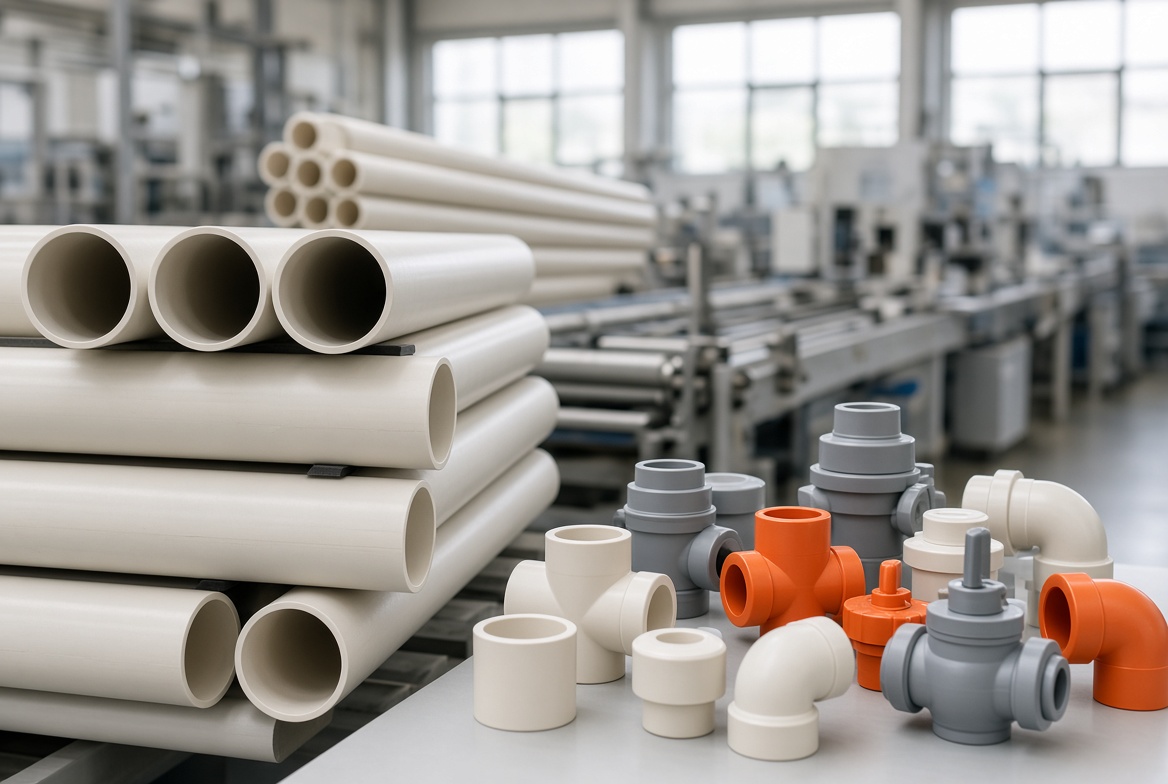
Прежде всего, хлор-щелочная промышленность постоянно транспортирует высококоррозионные среды, такие как кислоты, щелочи и рассолы, что предъявляет экстремальные требования к материалам трубопроводов. Надежная промышленная трубопроводная система должна безопасно работать в течение длительного времени без сбоев, сохраняя при этом стабильную производительность. Поэтому выбор материала напрямую влияет на безопасность предприятия, эффективность производства и эксплуатационные расходы. В последние годы промышленные трубопроводные системы из CPVC стали предпочтительным решением, поскольку они обеспечивают баланс между долговечностью, безопасностью и экономической выгодой.
Требования к эксплуатационным характеристикам в хлор-щелочном производстве
Прежде всего, условия хлор-щелочного производства связаны с сильными коррозионными веществами, которые могут быстро разрушать обычные материалы. Трубопроводы должны быть устойчивы к химическому воздействию кислот, оснований, солей и окислителей, сохраняя при этом структурную целостность. Кроме того, непрерывные производственные линии требуют высокой надежности, чтобы предотвратить утечки или остановки, которые могут привести к инцидентам, связанным с безопасностью, или финансовым потерям. Более того, компании оценивают материалы исходя из стоимости жизненного цикла, а не только первоначальной цены. По этим причинам инженеры часто ищут коррозионностойкие промышленные трубопроводы, которые минимизируют техническое обслуживание и время простоя.
Преимущества материалов промышленных трубопроводов из CPVC
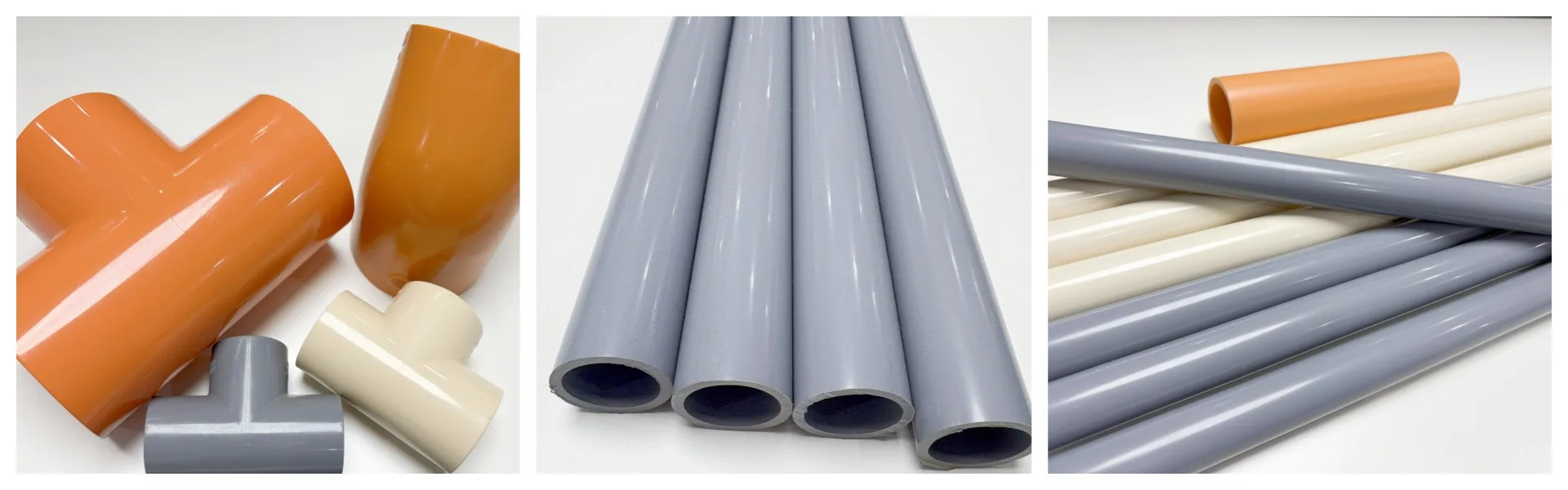
Далее, CPVC (хлорированный поливинилхлорид) обладает выдающейся химической стойкостью благодаря своей молекулярной структуре. Он инертен ко многим кислотам, щелочам, солям и алифатическим углеводородам, что делает его пригодным для транспортировки агрессивных химикатов. Более того, трубы из CPVC имеют гладкие внутренние поверхности, которые препятствуют образованию накипи и отложений, помогая поддерживать эффективность потока и предотвращая загрязнение технологического потока. Еще одним ключевым преимуществом является температурная устойчивость; CPVC может выдерживать более высокие рабочие температуры, чем стандартный PVC, сохраняя при этом прочность. Благодаря этим свойствам такие ключевые слова, как коррозионная стойкость CPVC и высокотемпературные пластиковые трубопроводы, естественным образом вписываются в технические дискуссии.
Более низкие затраты на монтаж по сравнению с металлом
Не менее важно то, что затраты на монтаж играют значительную роль при выборе материала. Традиционные металлические трубы тяжелые, что увеличивает расходы на транспортировку, погрузочно-разгрузочные работы и оплату труда. Напротив, трубы из CPVC весят значительно меньше — примерно одну восьмую часть от веса сопоставимых стальных труб, — что облегчает их перемещение и монтаж. Как правило, небольшая бригада может работать с трубопроводами из CPVC большого диаметра без использования тяжелого подъемного оборудования, что сокращает время монтажа и минимизирует перерывы в работе предприятия. Кроме того, при монтаже CPVC используется клеевое соединение, которое химически сплавляет трубу и фитинги в прочное, устойчивое к утечкам соединение. Этот метод исключает сварку, снижает риски для безопасности и ускоряет строительство. В результате преимущества монтажа трубопроводов из CPVC становятся очевидными при сравнении с металлическими системами.
Сокращение затрат на замену и простои
Более того, коррозия является серьезной проблемой для металлических трубопроводов на хлор-щелочных заводах. Внутренняя и внешняя коррозия может привести к утечкам, загрязнению и незапланированным остановкам. Металлические трубы также могут страдать от образования накипи, что увеличивает потери давления и снижает эффективность. Выбор CPVC значительно снижает эти риски, поскольку он не подвержен коррозии так, как металл. Следовательно, потребность в техническом обслуживании уменьшается, а вероятность внезапных поломок сводится к минимуму. Надежные трубопроводы помогают предотвратить перебои в производстве и снижают риск инцидентов, связанных с воздействием химических веществ, что делает промышленные трубопроводы с низкими эксплуатационными расходами привлекательным вариантом.
Более низкие долгосрочные затраты на техническое обслуживание
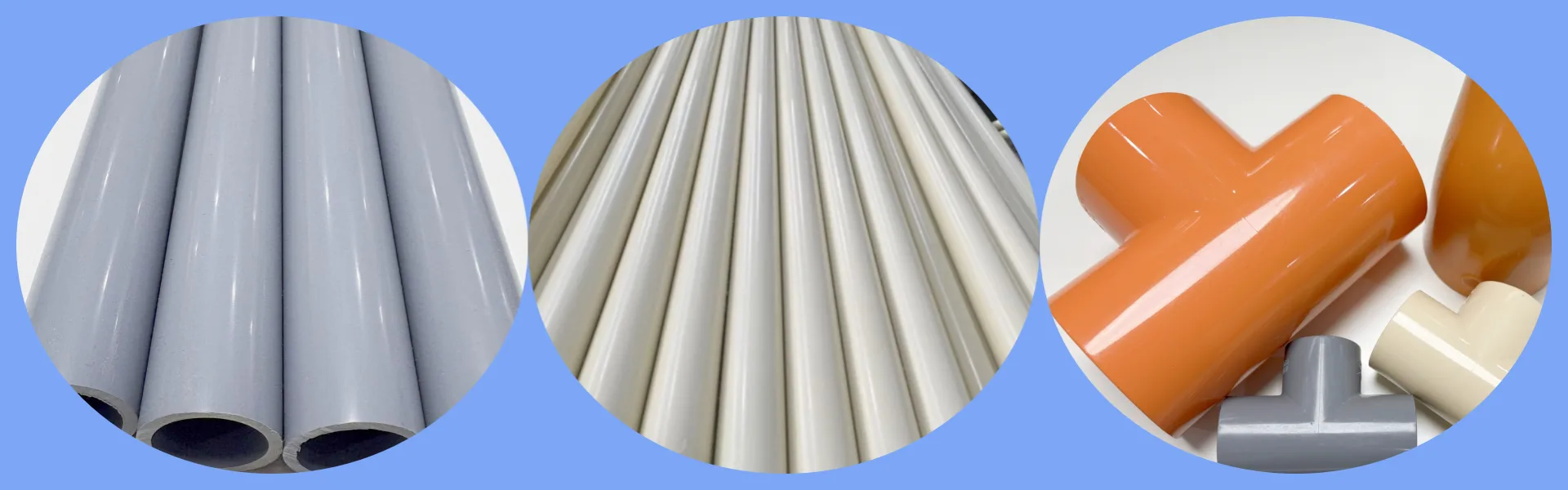
Помимо снижения рисков поломок, системы из CPVC обеспечивают длительный срок службы при минимальном уходе. Трубы, фитинги и клапаны, изготовленные из CPVC, остаются стабильными при воздействии большинства промышленных химикатов, что позволяет предприятиям поддерживать стабильное производство. Даже если требуется локальный ремонт, компоненты из CPVC относительно легко заменить, не затрагивая всю систему. Со временем это приводит к снижению расходов на техническое обслуживание и повышению операционной эффективности. Поэтому многие инженеры считают CPVC экономически эффективным решением при оценке общей стоимости жизненного цикла систем химических трубопроводов.
Преимущества стоимости жизненного цикла
С более широкой точки зрения, истинная ценность CPVC становится очевидной при рассмотрении экономики жизненного цикла. Хотя некоторые установки могут потребовать дополнительных опор из-за меньшего веса CPVC, общая стоимость — от монтажа до технического обслуживания и замены — часто остается ниже, чем у металлических аналогов. Сокращение трудозатрат, минимальный ущерб от коррозии и более длительный срок службы способствуют лучшему возврату инвестиций. Для компаний, ориентированных на устойчивую деятельность и предсказуемое бюджетирование, сравнение стоимости трубопроводов из CPVC и металла является ключевым фактором принятия решения.
Заключение: надежный выбор для хлор-щелочных применений
В заключение, выбор правильного материала для трубопроводов имеет важное значение для безопасной и эффективной работы хлор-щелочных предприятий. Промышленные трубопроводные системы из CPVC обеспечивают превосходную коррозионную стойкость, легкость монтажа, надежную работу и более низкие долгосрочные затраты. Эти преимущества объясняют, почему все больше химических заводов переходят с традиционных металлических трубопроводов на решения из CPVC. Обеспечивая стабильную работу и снижая требования к техническому обслуживанию, CPVC поддерживает как производительность, так и безопасность в сложных промышленных условиях.
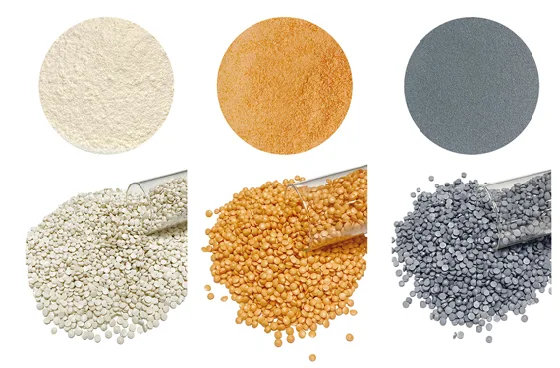
Xuye New Materials — профессиональный поставщик CPVC специализирующийся на высококачественной смоле и компаундах CPVC для промышленного применения. Благодаря передовым технологиям производства и строгому контролю качества, Xuye предоставляет надежные материалы для труб, фитингов, покрытий и других химически стойких решений из CPVC. Если вы ищете надежного поставщика хлорированного поливинилхлорида, Xuye готова поддержать ваши проекты стабильным качеством и глобальным сервисом.