Выбор неподходящей марки хлорированного полимера для условий высоких температур и давления может привести к преждевременной деградации материала и катастрофическим отказам системы. Чтобы безопасно модернизировать ваше оборудование для работы при температурах до 93°C, необходимо освоить правила выбора правильной марки CPVC для трубопроводов горячей воды, строго соблюдая баланс между долгосрочной термической стабильностью и технологичностью расплава.
Почему выбор марки CPVC критически важен для трубопроводов горячего водоснабжения
Отношение ко всем смолам CPVC как к идентичным создает значительные инженерные риски. Воздействие горячей воды ускоряет термическое старение и гидролиз. Выбор универсальной марки вместо специализированной рецептуры ведет к постепенной деградации материала, падению давления и преждевременному выходу трубопроводов из строя.
Универсальные требования к эксплуатационным характеристикам CPVC для горячей воды
Не все смолы из хлорированного поливинилхлорида (CPVC) одинаковы. При работе с постоянной циркуляцией горячей воды — будь то системы бытового водоснабжения, коммерческие системы кипячения или транспортировка агрессивных промышленных жидкостей — базовый материал должен выдерживать непрерывные термические и гидравлические нагрузки.
Чтобы обеспечить долгосрочную целостность системы и предотвратить преждевременное хрупкое разрушение, любой качественный компаунд CPVC для горячей воды должен соответствовать следующим взаимосвязанным критериям эффективности:
Долгосрочная термостойкость и термическая стабильность
Полимерная матрица должна сохранять свою механическую структурную целостность при постоянных рабочих температурах до 93°C (200°F). Кратковременные скачки температуры не должны вызывать разрыв полимерных цепей или сильное изменение цвета.
Гидролиз и превосходная коррозионная стойкость
Горячая вода, особенно при обработке хлором или содержании промышленных кислот, щелочей и солей, действует как агрессивный растворитель. Премиальный CPVC должен обладать превосходной химической стойкостью, чтобы исключить риск точечной коррозии, образования накипи или растрескивания под воздействием окружающей среды (ESC).
Высокий показатель гидростатического давления
При повышенных температурах предел прочности материала на разрыв естественным образом снижается. CPVC для горячей воды должен сохранять высокую долгосрочную гидростатическую прочность (LTHS), чтобы выдерживать постоянное внутреннее давление без ползучести или разбухания в течение 50-летнего срока службы.
Низкая теплопроводность и огнестойкость
Отличные теплоизоляционные свойства (низкая теплопроводность) критически важны для минимизации потерь энергии при передаче горячих жидкостей. Кроме того, для соблюдения строгих строительных и промышленных норм безопасности материал должен обладать высоким кислородным индексом (LOI 60% или выше), обеспечивающим самозатухание и низкую токсичность дыма.
Технологичность расплава и стабильность партий
Помимо эксплуатационных свойств, смола должна обладать сбалансированным молекулярно-массовым распределением. Это гарантирует стабильный поток расплава и надежный температурный диапазон переработки при экструзии или литье под давлением, исключая внутренние напряжения в готовых деталях.
Базовое введение и позиционирование CPVC марок J-700, Z-500C, J-700C
Для соответствия разнообразным инженерным спецификациям и бюджетным ограничениям промышленность классифицирует смолы для горячей воды на отдельные рецептуры, основанные на содержании хлора и молекулярной структуре. Понимание точных различий между CPVC марок J-700C, Z-500C и J-700 — это первый шаг к оптимизации ваших экструзионных линий.
Ниже представлен объективный анализ того, как эти три основные марки позиционируются на мировом рынке:
| Марка CPVC | Рыночное позиционирование | Профиль основных характеристик | Основные сценарии применения |
| CPVC J-700 | Стандартная универсальная марка | • Сбалансированная базовая термостойкость • Стандартные механические свойства • Удобная, высокотекучая переработка расплава |
• Бытовые трубы для периодической подачи горячей воды • Стандартные бытовые фитинги • Гражданские дренажные проекты |
| CPVC Z-500C | Марка со сбалансированным соотношением цены и качества | • Улучшенная молекулярная однородность • Повышенная стабильность при постоянной температуре • Отличный диапазон параметров переработки от партии к партии |
• Сценарии применения Z-500C CPVC • Коммерческие сети горячего водоснабжения (отели, больницы) • Круглосуточные контуры непрерывной циркуляции |
| CPVC J-700C | Высокоэффективный улучшенный сорт | • Максимальное распределение хлора • Премиальная стойкость к старению при высоких температурах • Превосходная устойчивость к гидролизу и сохранение давления |
• Высокостандартные промышленные линии горячего водоснабжения • Транспортировка агрессивных химических жидкостей • Суровые промышленные условия с высокими нагрузками |
Техническое сравнение: J-700C против Z-500C против J-700
Оценка специфических свойств термопластов необходима для обеспечения эксплуатационной безопасности. В этом техническом обзоре анализируется, как каждая марка реагирует на термические, гидравлические и механические нагрузки при длительной эксплуатации.
Термостойкость и долгосрочная термическая стабильность
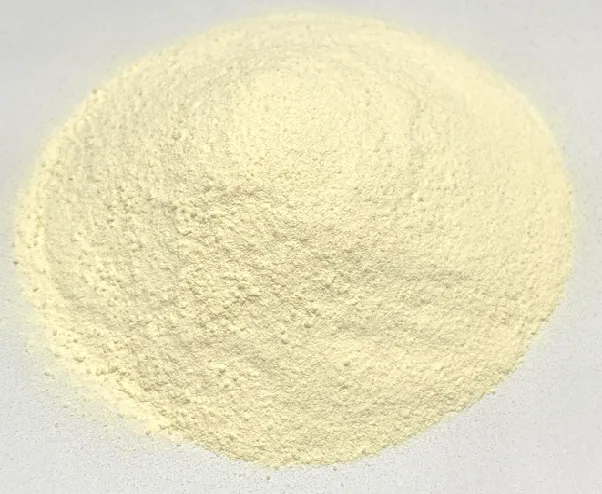
Хотя все три марки работают в условиях горячей воды, их молекулярная выносливость различается. J-700 справляется со стандартными тепловыми нагрузками при периодических колебаниях температуры. Z-500C обеспечивает повышенную стабильность для непрерывных коммерческих контуров отопления, в то время как J-700C обладает наивысшей стойкостью к деградации полимера при длительном воздействии высоких температур.
Характеристики выдерживания давления
Удержание гидростатического давления падает по мере роста температуры, что делает структурную целостность критически важной. J-700 обеспечивает достаточную прочность на разрыв для обычных бытовых трубопроводов низкого давления. Для коммерческих сетей среднего давления Z-500C обеспечивает улучшенную стойкость к ползучести. В то же время J-700C сохраняет превосходную размерную стабильность в промышленных приложениях с высокими нагрузками и переменным давлением.
Характеристики переработки и формования
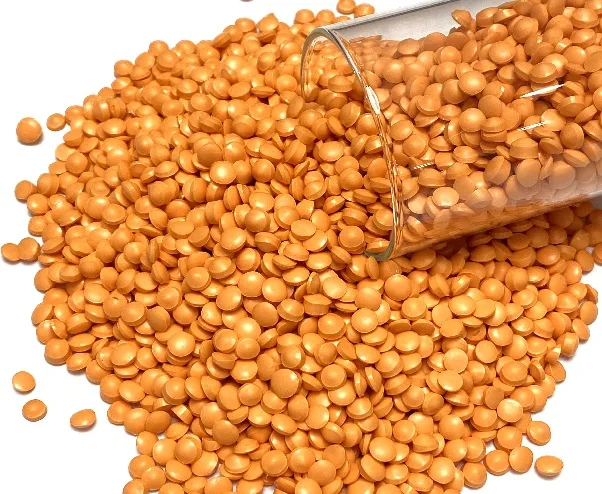
Технологичность материала напрямую влияет на выход экструзии и качество готовых труб. J-700 демонстрирует отличную текучесть расплава и широкую адаптивность к переработке для высокоскоростного производства. Z-500C предлагает высокоравномерное распределение молекулярной массы для стабильных коммерческих партий, тогда как J-700C требует точной калибровки температуры для достижения оптимальных результатов формования.
Различия в соотношении цены и качества
Бюджетирование проектов требует строгого баланса между стоимостью материалов и показателями производительности. J-700 представляет собой наиболее экономичный вариант для конкурентных тендеров в гражданском строительстве. Z-500C служит базовым вариантом среднего уровня для проектов коммерческих зданий, в то время как премиальные свойства J-700C оправдывают инвестиции для промышленной инфраструктуры с высокими требованиями.
Руководство по выбору марки CPVC на основе сценариев
Подбор правильного термопласта для конкретного здания или промышленной среды обеспечивает структурную безопасность и экономическую эффективность. Ниже приведены инженерные рекомендации по применению каждой специализированной рецептуры.
Лучшая марка для бытовых трубопроводов горячей воды
Рекомендация: CPVC J-700 / Z-500C
Инженерное обоснование: Бытовые системы характеризуются периодическим использованием горячей воды и стандартными нагрузками давления. J-700 предлагает отличную экономичность и плавную переработку расплава для крупносерийного производства бытовых труб, в то время как Z-500C обеспечивает дополнительный запас прочности для премиальных жилых сетей.
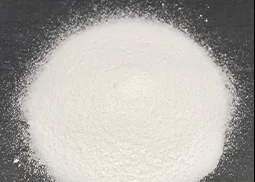
Лучшая марка для систем горячего водоснабжения коммерческих зданий
Рекомендация: CPVC Z-500C
Инженерное обоснование: Коммерческие объекты, такие как отели и больницы, требуют круглосуточной непрерывной циркуляции горячей воды. Z-500C разработан специально для этой среды со средними нагрузками, предотвращая долгосрочное термическое старение и сохраняя высокую предсказуемость консистенции при экструзии в процессе производства.
Лучшая марка для промышленных и агрессивных трубопроводов горячей воды
Рекомендация: CPVC J-700C
Инженерное обоснование: Промышленные технологические линии подвергают материалы воздействию агрессивных химических сред, переменным скачкам давления и длительным высоким температурам. Максимально хлорированная структура J-700C обеспечивает элитную стойкость к гидролизу, предотвращая преждевременный разрыв труб в суровых эксплуатационных условиях. Для требований к крупномасштабной настройке производства запрос на оптовую поставку CPVC для матрицы оценки производства труб помогает обеспечить точное техническое соответствие.
Распространенные ошибки при выборе CPVC в проектах трубопроводов горячей воды
Даже высококачественные хлорированные смолы могут выйти из строя, если используются при неправильных эксплуатационных параметрах. Распознавание этих частых ошибок при составлении рецептур и спецификаций помогает предотвратить неожиданные простои системы.
Использование стандартных универсальных марок в непрерывных промышленных системах
Специалисты иногда выбирают стандартный универсальный CPVC, такой как J-700, для непрерывных промышленных контуров горячей воды, чтобы снизить первоначальные затраты на материалы. Однако стандартным рецептурам не хватает высокой плотности хлора, необходимой для противостояния длительному термическому окислению, что приводит к преждевременной хрупкости при круглосуточной гидравлической нагрузке.
Путаница между допуском к периодической температуре и пределами непрерывной эксплуатации
Частой инженерной ошибкой является рассмотрение пиковой кратковременной температуры материала как предела его непрерывной эксплуатации. Хотя стандартные марки CPVC могут выдерживать случайные тепловые скачки, поддержание постоянной нагрузки жидкости при 93°C требует специализированной матрицы смолы с повышенной стойкостью к гидролизу для предотвращения молекулярной деградации.
Игнорирование факторов воздействия средних химических веществ в промышленной горячей воде
Выбор марки смолы исключительно на основе температуры и давления без учета химического состава водной среды создает серьезные риски. Промышленная горячая вода часто содержит следы кислот, щелочей или агрессивных дезинфицирующих средств, что требует высокоэффективных рецептур для исключения растрескивания под воздействием окружающей среды.
Заключительные мысли
Выбор правильной рецептуры CPVC обеспечивает долгосрочную целостность системы. Согласуйте свои требования к температуре и давлению с оптимальной маркой, чтобы предотвратить поломки трубопроводов. Свяжитесь с нами сегодня для получения экспертной помощи в выборе материалов и технической поддержки.